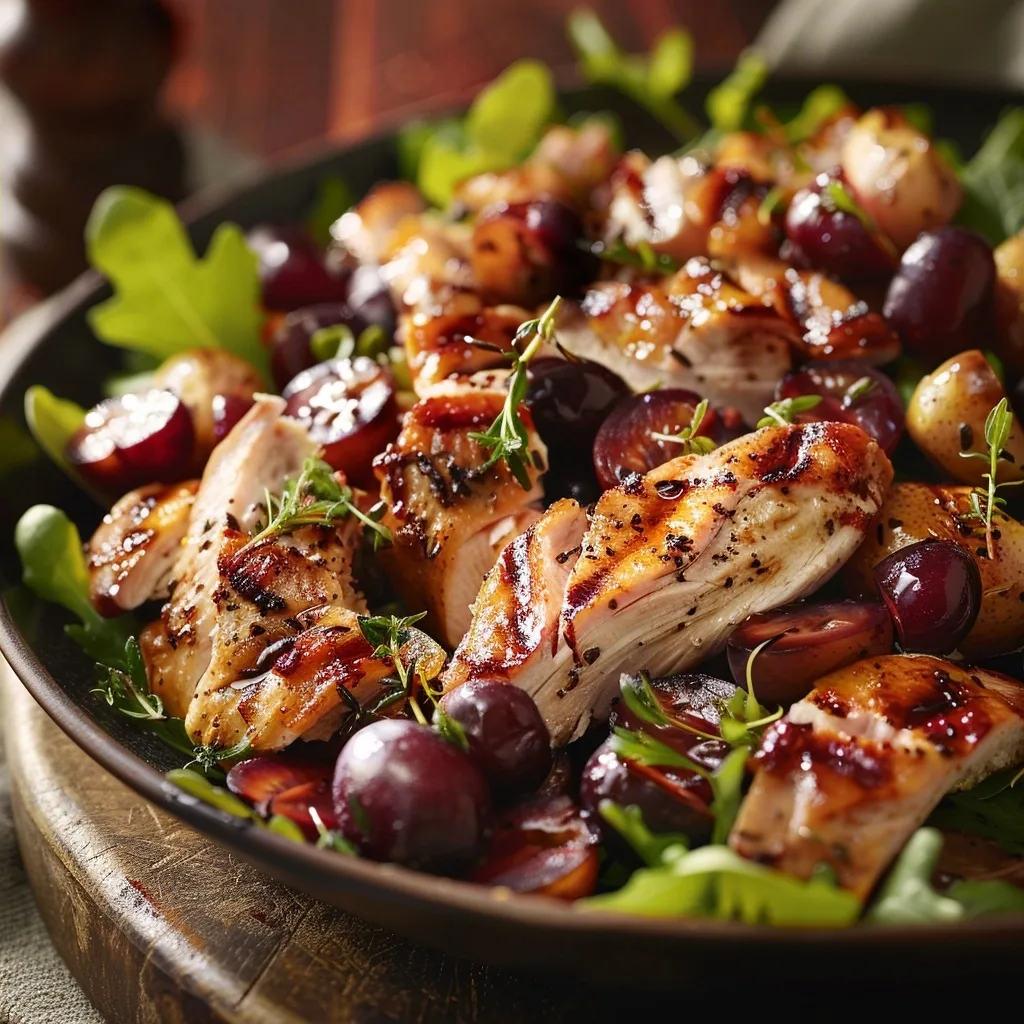

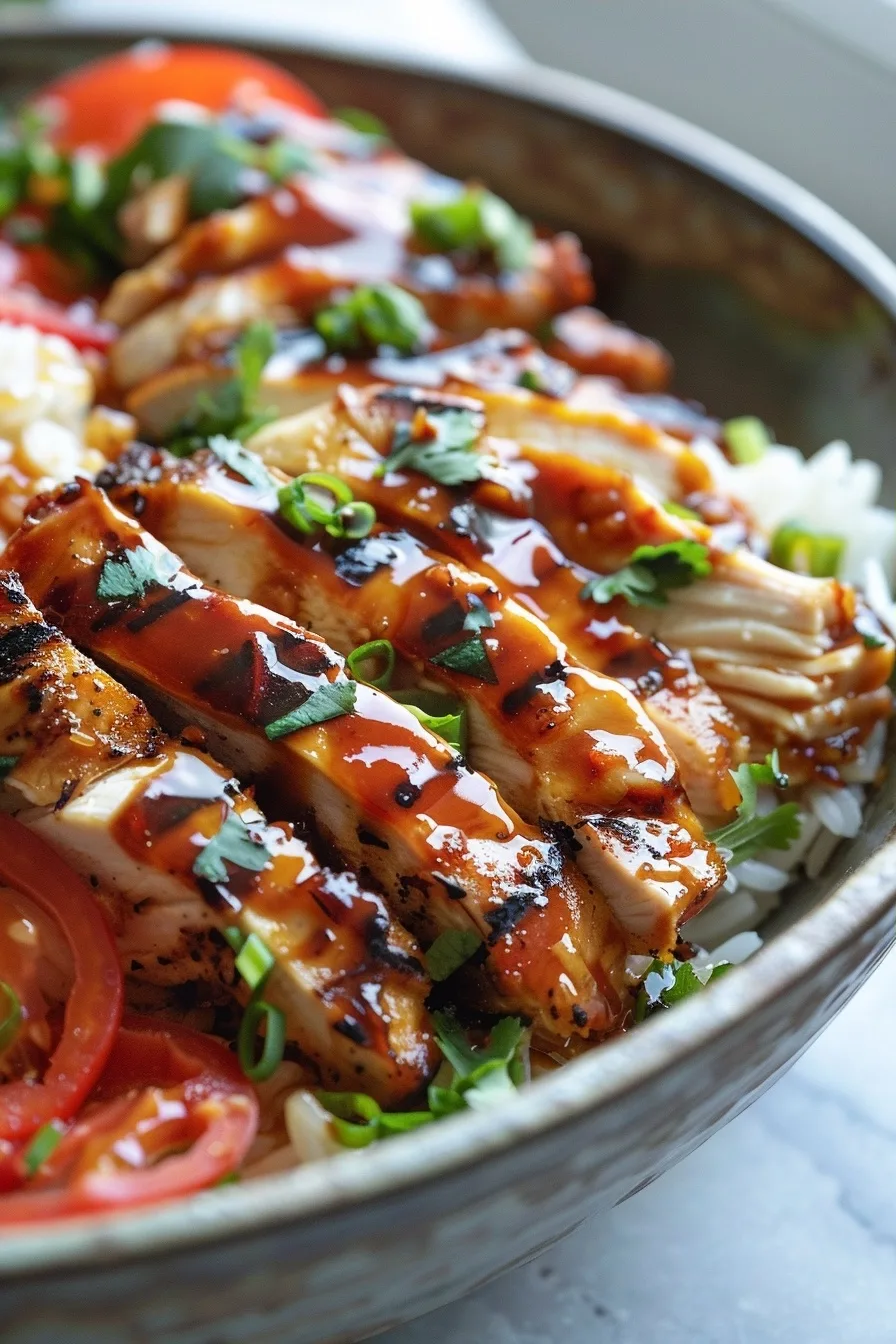
Sticky Chicken Rice Bowls are a rich, savory dish where slow-cooked, caramelized chicken is served over steamed rice, all bound together with a glossy, glaze-like sauce. This dish combines the deep umami of soy, the sweetness of brown sugar, and the warmth of ginger, making every bite a balanced, satisfying experience.
| Prep Time | 15 mins |
|---|---|
| Cook Time | 40 mins |
| Total Time | 55 mins |
| Servings | 4 |
| Difficulty | Moderate |
| Cuisine | Asian-American Fusion |
Why This Recipe Works
This recipe leverages the Maillard reaction and natural caramelization to transform chicken thighs into a deeply flavorful, crispy-on-the-outside, tender-on-the-inside star protein. Using chicken thighs rather than breasts ensures a juicy, meaty bite without the need for extra moisture—thighs are more forgiving and less prone to drying. The slow reduction of the soy-brown sugar sauce over low-heat ensures the sugars melt into a sticky glaze, not a crunchy candy coating, which would be unappealing on rice. The ginger, while not overwhelming, balances the salt and sweet elements in the sauce, sharpening the flavor with its fresh, aromatic bite.
From a food science standpoint, the sauce’s success lies in precise control of temperature and time. When the sugar in the sauce begins to caramelize at around 338°F (170°C), it needs to be stirred constantly to avoid burning while allowing the soy sauce’s amino acids to interact with the sugars, forming complex, savory notes through the Maillard effect. The rice serves as both a neutral base and a starch that helps bind the dish into a cohesive, well-layered experience, balancing the rich chicken and sauce with a soft, comforting texture.
Finally, the chicken is never over-seared. I use medium-high heat to achieve a good sear without burning the surface proteins, which can create acrylamides—unwanted compounds linked to health risks. This controlled heat ensures a perfect balance between Maillard browning and undercooking, delivering rich flavor and safe texture in every bite.
Ingredients
| Ingredient | Quantity | Notes |
|---|---|---|
| Chicken thighs | 1.5 lbs (approx. 700 grams) | boneless, skinless, for even cooking |
| Soy sauce | 1/4 cup | use traditional soy for best umami |
| Brown sugar | 1/4 cup | light or dark for a deeper caramel flavor |
| Minced fresh ginger | 1 tbsp | no substitute: fresh ginger enhances complexity |
| White rice | 2 cups uncooked | long-grain or jasmine for fluffy texture |
| Vegetable oil | 1 tbsp | neutral oil like canola or grapeseed |
| Optional garnish | sesame seeds | adds subtle crunch and depth |
| Optional garnish | chopped green onions | adds freshness and color |
Step-by-Step Instructions
Prep
-
Pat chicken thighs dry with paper towels. This step is vital for achieving a perfect sear: excess moisture inhibits browning and causes oil to splatter.
-
Cut chicken into 1-inch cubes. Uniform pieces cook evenly and allow the sauce to glaze all pieces equally.
-
Rinse the rice and allow it to sit for 10 minutes. Soaking prevents the rice from sticking during cooking.
-
In a small mixing bowl, whisk together soy sauce, brown sugar, and minced ginger to form a well-balanced, slightly thickened sauce.
Chicken Preparation and Cooking
-
In a large skillet, heat vegetable oil over medium-high heat until shimmering (do not let it smoke). Add chicken in a single layer, skin side down if using, and cook for 3-4 minutes. This initial sear locks in moisture and builds rich flavor.
-
Flip chicken pieces and sear the other side for an additional 2-3 minutes. At this point, the chicken is browned and sealed.
-
Pour the whisked sauce into the skillet and stir to coat the chicken completely. Bring to a moderate simmer and let cook on low heat for 20 minutes. Constant, gentle movement prevents the sugar from scorching or the chicken from drying out.
-
Reduce heat further if the sauce begins to bubble too vigorously. The goal is a slow, even reduction that allows the sugars to caramelize without boiling away.
-
After 20 minutes, the sauce should be thick and glossy. Test a piece of chicken: it should be fall-apart tender. If needed, simmer a bit longer but stir frequently to avoid burning the bottom of the pan.
Final Assembly and Searing
-
While the chicken simmers, cook the rice in a pot with 2.5 cups water. Boil and cover until water is absorbed, rice is tender and not gummy, and grains are separate (18-22 minutes).
-
Once the chicken is done and the rice is cooked, serve the chicken on top of warm rice, ensuring each bowl is well-dressed with the sauce.
-
Garnish bowls with sesame seeds and green onions just before serving to avoid sogginess and preserve freshness.
Chef Tips for Perfect Results
-
Dry chicken is dry chicken out: Always pat chicken dry before searing. Surface moisture disrupts the Maillard reaction and leads to a pale, wet sear.
-
Holding temperatures is critical: Keep the skillet between 310°F-330°F (155°C-165°C) as the chicken browns. Too high of heat risks burning the exterior before the interior is cooked; too low and it just steams.
-
Thicker rice is better rice: Rice with more starch (like jasmine) will soak up the sauce better. Under-starchy rice is too dry and misses the chance to bind the dish together.
-
Use non-reactive cookware: Stick to stainless steel or enameled cast iron for sauce reduction. Aluminum skillets can react with soy sauce’s acidity, changing flavor and texture over time.
-
Stir early and often: The sauce needs to be agitated constantly while reducing. Without stirring, sugar burns, the sauce becomes uneven, and the chicken can stick and overcook in certain areas.
Common Mistakes to Avoid
-
Mistake: Skipping chicken prep (pat drying and cubing)
Result: Uneven sear, excess moisture in the pan, and uneven doneness. Solution: Always blot, cut, and check for size uniformity. No exceptions. -
Mistake: Over-reducing the sauce
Result: Thick, glue-like sauce and overly sweet chicken. Solution: Stop simmering just as the sauce reaches a spoon-coated consistency. Taste and add water if needed. -
Mistake: Using low-quality soy sauce
Result: Bland chicken and sauce. Good soy sauce is high in amino acids and has a pronounced umami edge. Solution: Choose traditional styles with a longer fermentation process. -
Mistake: Forgetting to soak rice
Result: Undercooked, uneven rice texture. Soaking allows grains to hydrate slightly and ensures they cook evenly. Solution: Soak 10 minutes before boiling. -
Mistake: Under-seasoning
Result: Subtle flavor that’s forgotten as other dishes come out. The soy provides most of the salt, but balance must be tasted and adjusted per serving. Solution: Add a pinch of salt to the rice if needed after cooking.
Variations and Substitutions
| Ingredient | Substitution | Impact on Flavor/Texture |
|---|---|---|
| Chicken thighs | Ground chicken | Creates a stew-like texture; better served with noodles or extra rice to absorb sauce. |
| Soy sauce | Soy sauce substitute low-sodium | Flavor is milder; increase soy or add a touch of salt to taste. Works for lower-sodium diets. |
| Brown sugar | Coconut sugar | Less moisture than brown sugar; may need additional liquid to keep sauce from tightening too fast. |
| Rice | Quinoa or couscous | Less starch means less sauce adherence. Great for lighter meals, not traditional rice-based dishes. |
Serving Suggestions and Pairings
A classic Sticky Chicken Rice Bowl is best served as a heartier main course. Elevate the presentation with a few smart side choices and drink pairings:
-
Side Dish: Grilled vegetables like zucchini or eggplant bring a charred, smoky element that complements the sticky chicken.
-
Side Dish: Pickled daikon adds a refreshing crunch and a touch of acidity that cuts through the sauce’s richness.
-
Pairing Drink: Craft ginger beer works surprisingly well due to its spicy, sweet notes that mirror the sauce.
-
Pairing Drink: Black tea like oolong or pu-erh balances the dish without overwhelming the palate.
-
Serving Occasion: Weekday family dinners or cozy weekend meals with minimal cleanup.
Storage and Reheating
| Method | Duration | Instructions |
|---|---|---|
| Air-tight container | 3-4 days | Store in refrigerator with chicken and sauce separated if possible, to prevent rice from getting soggy. |
| Frozen | Up to 3 months | Cool completely before placing in airtight, heavy-duty freezer bags. Thaw in the fridge for 24 hours before reheating. |
| Reheating | N/A | For best texture, reheat on the stovetop with a splash of water to revive the sauce and keep it glossy. Avoid microwave as it makes rice gummy and chicken rubbery. |
| Freezer Reassembly | N/A | Reheat chicken separately to prevent overcooking, then gently add the thickened sauce. |
Nutritional Information
| Nutrient | Amount per Serving |
|---|---|
| Calories | 560 |
| Protein | 28g |
| Fat | 20g |
| Carbohydrates | 64g |
| Fiber | 2g |
| Sugar | 24g |
| Sodium | 800mg (varies by soy brand) |
Frequently Asked Questions
Can I use chicken breasts instead of thighs?
Yes, but they dry out quicker. Cook for 6-8 minutes total (3-4 per side), then add the sauce and simmer to prevent overcooking. Chicken thighs provide a juicier final outcome.
How do I know when the sauce is ready?
It should coat the back of a spoon in a thin, glossy layer without dripping off quickly. The chicken should be very tender and the sugar fully caramelized.
My rice turned out gummy. Why?
Gummy rice usually indicates the rice was not soaked or you added too much water. Stick to the 2:2.5 rice-to-water ratio and make sure the rice is rinsed well and soaked for 10 minutes.
Is it safe to freeze this dish after cooking?
Absolutely. For best results, freeze the chicken and sauce separately. When reheating, rewarm the chicken on the stovetop and reintroduce sauce last—this prevents the rice from absorbing too much moisture over time.
Can I double this recipe safely?
Yes, but use a larger skillet to prevent overcrowding. This ensures even searing and prevents the sauce from boiling too quickly. Adjust cook time as needed.
Conclusion
Sticky Chicken Rice Bowls are a celebration of technique and flavor harmony. The sear, the balance of sweet and salty, the tender chicken, and the glossy glaze all come together in a way that feels both comforting and elevated. Every bite invites you to taste the care in its preparation while remaining grounded in simple, clean ingredients. It’s the kind of dish you’ll make again and again—easily customizable, effortlessly satisfying, and deeply American in its approach while inspired by classic Asian flavors. The final bite lingers with the warmth of ginger, the umami of soy, and the comforting sweetness of caramel, making for an unforgettable home-cooked meal.