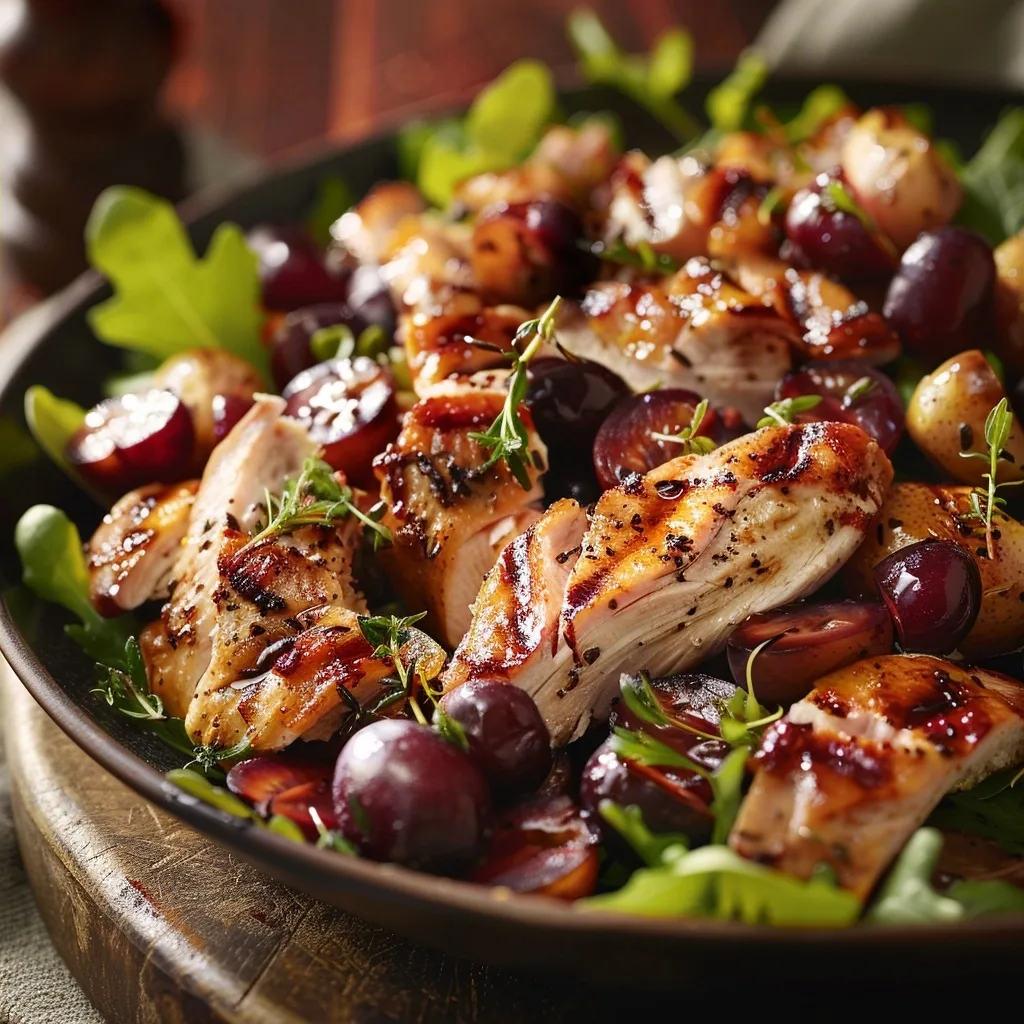

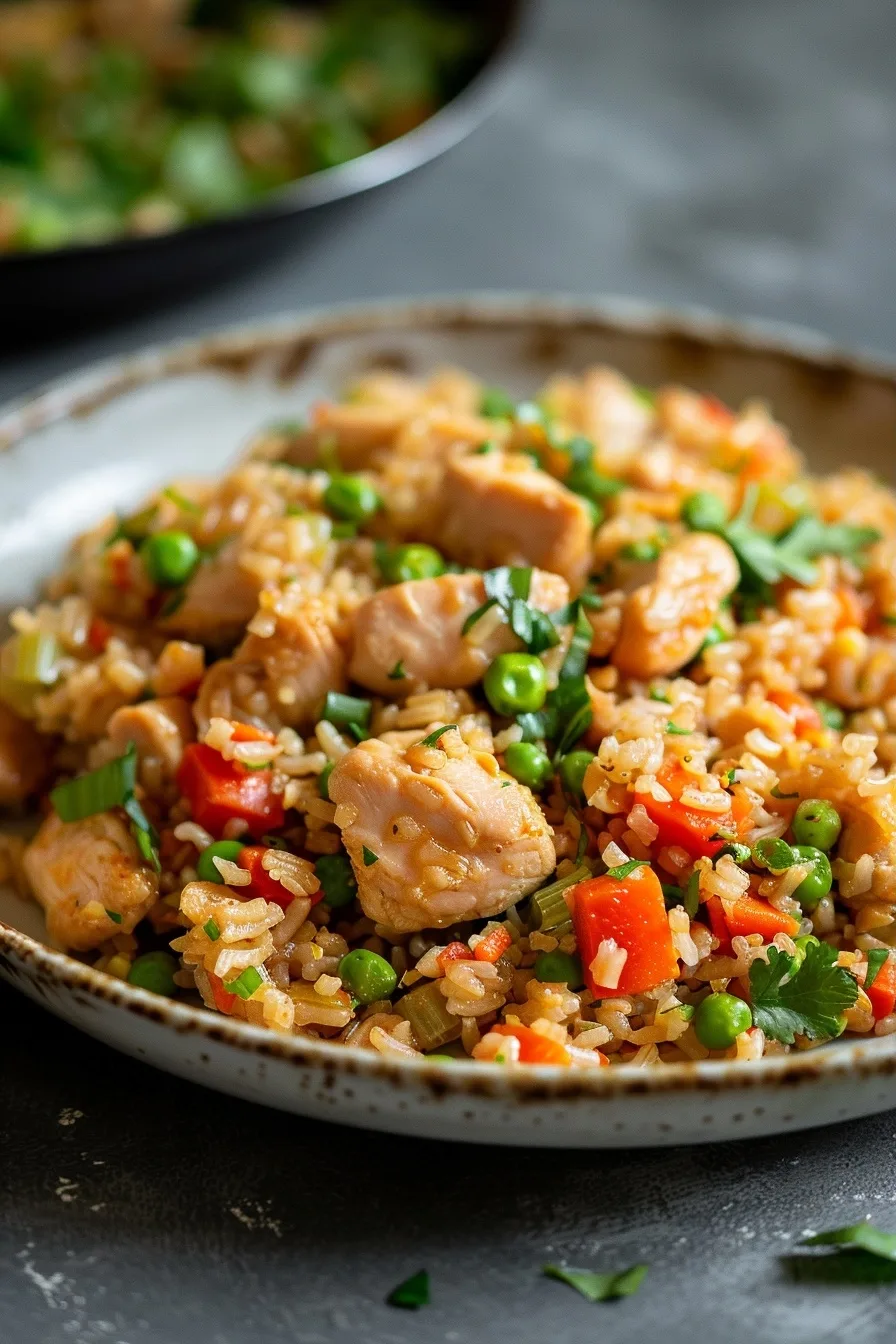
Rotisserie chicken fried rice serves as a high-protein, flavor-dense dinner solution utilizing leftover grains and pre-cooked poultry to minimize kitchen effort. This classic skillet meal relies on the Maillard reaction to transform simple pantry staples into a restaurant-quality dish in under twenty minutes. By leveraging high-heat flash-frying techniques, home cooks produce distinct, non-clumping rice grains that highlight the savory depth of house-made seasoning profiles.
Recipe Overview
| Metric | Details |
|---|---|
| Prep Time | 5 minutes |
| Cook Time | 15 minutes |
| Total Time | 20 minutes |
| Servings | 2 Servings |
| Difficulty | Beginner |
| Cuisine | Asian-Inspired American |
Why This Recipe Works
The secret to perfect fried rice lies entirely in the moisture content of the starch. Using cold, day-old rice ensures that each grain retains its individual structure rather than turning into a gummy mass during the rapid heating process. The starch gelatinization reached during the initial cooling phase in the refrigerator prevents the rice from absorbing too much oil or steam during the frying stage.
I personally prefer using rotisserie chicken for this application because the bird is already properly seasoned and roasted to the perfect internal temperature. The fats rendered into the meat during the rotisserie process add an immediate layer of depth to the skillet that plain boiled chicken cannot replicate. This technique allows the protein to reheat gently without drying out while the exterior absorbs the savory notes of the soy-based sauce.
Using high heat is the final component of this scientific approach. A hot skillet creates the toasted, slightly smoky flavor profile associated with professional-grade wok cooking. When the egg hits the hot surface, it coagulates quickly, coating the grains and creating a luxurious mouthfeel that balances the salty intensity of the soy sauce and the natural sweetness of crisp peas and carrots.
Ingredients
| Ingredient | Quantity | Notes |
|---|---|---|
| Rotisserie Chicken | 2 cups | Shredded or chopped into bite-sized pieces |
| Cold Cooked Rice | 2 cups | Premium jasmine or medium-grain white rice |
| Peas and Carrots | 1/2 cup | Frozen blend, thawed and drained |
| Soy Sauce | 1 tbsp | Low-sodium variety recommended |
| Large Egg | 1 unit | Beaten lightly |
| Cooking Oil | 1 tbsp | High smoke point oil like avocado or grapeseed |
Step-by-Step Instructions
Phase 1: Preparation
- Shred the rotisserie chicken into manageable pieces while ensuring you discard skin and bones to maintain a uniform texture.
- Measure out two cups of chilled, leftover white rice, using your fingers to loosen any large clumps before starting the cooking process.
Phase 2: Searing and Assembly
- Heat a large heavy-bottomed skillet over medium-high heat until the pan surface radiates consistent warmth.
- Add the cooking oil, swirling it to coat the base of the skillet evenly.
- Toss in the peas, carrots, and shredded chicken, sautéing for three minutes until the vegetables soften and the chicken develops a light golden color.
- Pour the cold rice into the pan, stirring constantly to distribute the heat and begin the frying process.
- Drizzle the soy sauce over the mixture, tossing everything for two to three minutes until the rice adopts an even, toasted appearance.
- Clear a small circle in the center of the rice mixture and pour in the beaten egg.
- Scramble the egg in the center for thirty seconds before folding it thoroughly into the surrounding rice to finish cooking.
Chef Tips for Perfect Results
- Always use cold rice to ensure individual grain separation.
- Do not overcrowd the skillet, as this lowers the temperature and causes steaming instead of frying.
- Use a high smoke point oil to prevent bitterness from burning lipids.
- Let the rice sit undisturbed for thirty seconds occasionally to allow for light crisping at the bottom.
- Season with a pinch of white pepper for an authentic finish.
- Consult the USDA food safety guidelines for proper poultry handling and storage temperatures.
Common Mistakes to Avoid
One common failure is using hot or freshly steamed rice, which creates mush due to excess internal steam. Another frequent error is overcrowding the pan, which prevents the Maillard reaction from occurring, resulting in pale, soggy rice. Ensure your skillet is hot enough before adding components to avoid sticking. Many beginners fail to properly whisk the egg, leading to inconsistent distribution throughout the dish.
Variations and Substitutions
| Ingredient | Substitution | Impact |
|---|---|---|
| Soy Sauce | Coconut Aminos | Provides a sweeter, milder flavor profile with less sodium. |
| Peas/Carrots | Diced Bell Peppers | Adds crunch and brighter aromatic notes. |
| Chicken | Smoked Beef | Offers a richer, deeper umami profile to the dish. |
Serving Suggestions and Pairings
Serve this dish in shallow, wide-rimmed bowls to allow the aromas to bloom toward the diner. Pair this with a crisp, refreshing cucumber salad tossed in rice vinegar, or a side of steamed bok choy. For a beverage pairing, a chilled jasmine green tea provides a palate-cleansing effect that complements the savory notes of the chicken and soy. This meal fits perfectly into an upscale casual work-from-home lunch or a quick weeknight family dinner.
Storage and Reheating
| Method | Duration | Technical Instructions |
|---|---|---|
| Refrigerator | 3 days | Store in an airtight glass container to prevent moisture loss. |
| Reheating | 3 minutes | Reheat on the stovetop with a teaspoon of water to restore moisture levels. |
Nutritional Information
Approximate values per serving.
| Nutrient | Amount per Serving |
|---|---|
| Calories | 380 |
| Protein | 22g |
| Fat | 12g |
| Carbohydrates | 48g |
Frequently Asked Questions
Can I use brown rice instead of white jasmine?
Yes, brown rice works well, but it requires at least an hour of cooling time to firm up before frying. It provides a nuttier flavor and higher fiber content than standard white rice.
How do I know when the rice is perfectly fried?
The rice is ready when you hear a faint sizzling sound and each grain feels dry to the touch rather than soft or gummy. You should see a uniform coating of soy sauce across all components.
Can I add extra vegetables?
You can add extra vegetables like broccoli or baby corn, but ensure you chop them into tiny bits. Large pieces of moisture-heavy vegetables will cool the pan and prevent the ideal frying texture.
Is this dish suitable for freezing?
Fried rice freezes surprisingly well, but it must be cooled completely before being bagged. Reheat it directly from frozen in a hot skillet for the best results.
Why should I use a heavy-bottomed skillet?
Heavy-bottomed pans, such as stainless steel or cast iron, provide superior heat retention and distribution. This consistency is vital for achieving the high-heat searing necessary for professional-grade results.
Mastering this simple technique brings a level of consistency to your kitchen that few quick meals provide. By controlling the moisture, temperature, and order of ingredients, you produce a dish that feels intentional, balanced, and deeply savory. The combination of toasted grains and perfectly cooked protein offers a satisfying finish that validates why this remains a staple of modern, efficient home cooking.