
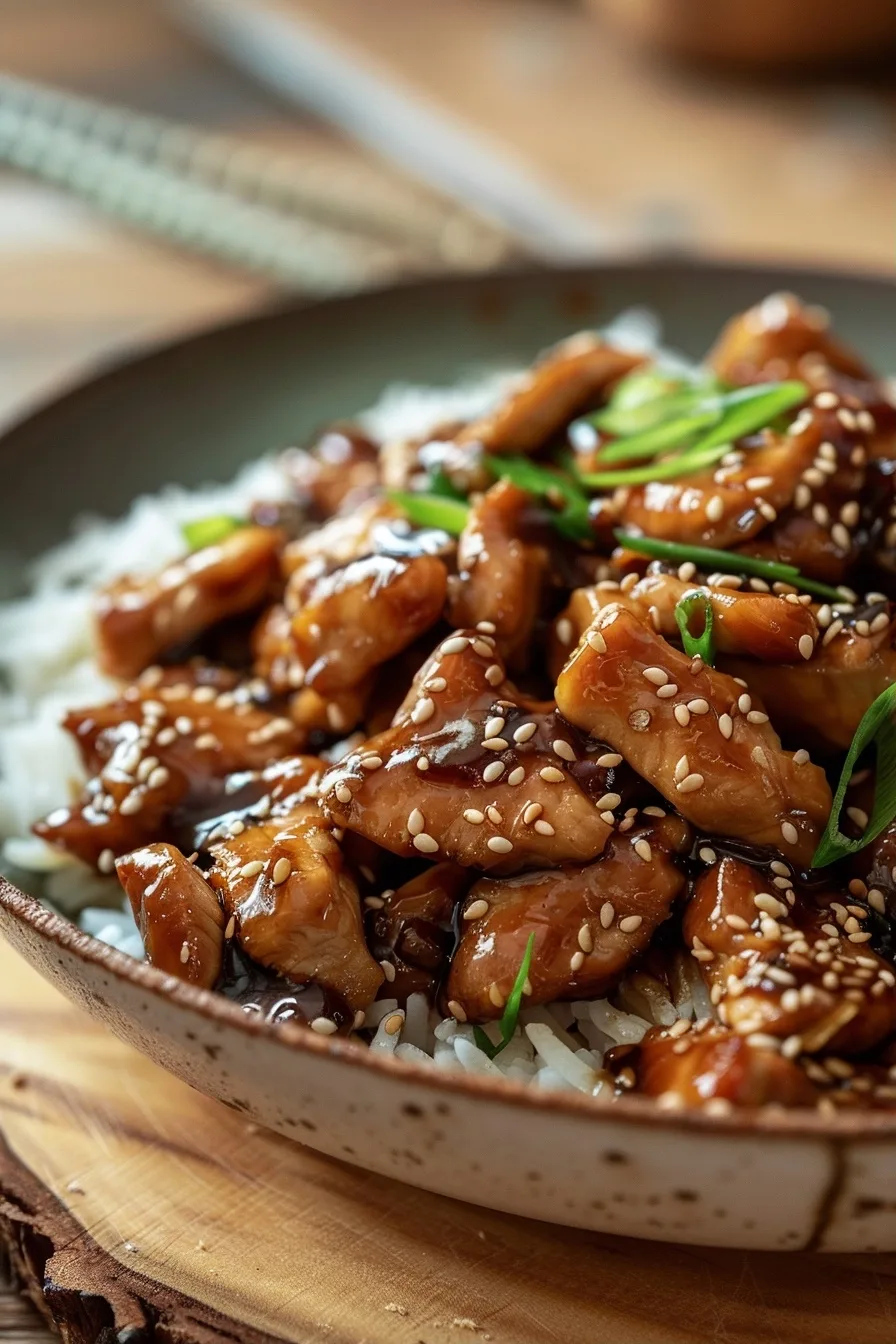
Recreate the beloved sweetness and savory depth of Panda Express Chicken Teriyaki at home with this meticulously crafted copycat recipe. This dish features tender chicken thighs glazed in a perfectly balanced teriyaki sauce, capturing the authentic taste profile you crave. It offers a delightful, family-friendly meal that rivals your favorite takeout, delivering unmistakable umami and a hint of sweetness in every bite.
Why This Recipe Works
Achieving that signature Panda Express teriyaki glaze is all about the precise balance of sweet, savory, and umami components, coupled with a cooking method that locks in moisture while developing a beautiful sheen. I’ve found that using chicken thighs is non-negotiable; their higher fat content renders them incredibly tender and forgiving, preventing the dryness that can plague breast meat during simmering. The crucial element is the sauce composition itself, where a blend of high-quality soy sauce, pure granulated sugar, a touch of acidity, and aromatic garlic creates the foundation for that deeply satisfying flavor profile.
The cooking process is designed to maximize flavor infusion and achieve the perfect glaze consistency. We first sear the chicken thighs to develop a rich, golden-brown exterior through the Maillard reaction. This caramelization not only adds complexity but also forms a flavorful base for the subsequent simmering. When the sauce is introduced, the lower heat allows the chicken to gently absorb the teriyaki flavors while the sugars in the sauce reduce and thicken, creating that luscious, glossy coating that clings perfectly to each piece of chicken.
Understanding the science behind the sauce reduction is key. Sugar, when heated, undergoes caramelization, transforming into a complex array of aromatic compounds that contribute to depth and color. The soy sauce provides the essential glutamates for umami, while the garlic offers pungent aromatics that bloom when heated. It’s a carefully orchestrated chemical reaction that transforms simple ingredients into a culinary experience that’s both comforting and exciting, replicating the familiar taste that makes this dish a consistent favorite.
Ingredients
| Ingredient | Quantity | Notes |
|---|---|---|
| Boneless, Skinless Chicken Thighs | 1 lb (454g) | Cut into 1-inch pieces for even cooking. Ensure no excessive fat is trimmed. |
| Low-Sodium Soy Sauce | 1/4 cup (60ml) | Use a good quality, naturally brewed soy sauce. Tamari can be used for a gluten-free option. |
| Granulated Sugar | 2 tbsp (25g) | For sweetness and aiding in glaze caramelization. |
| Apple Cider Vinegar | 1 tbsp (15ml) | Provides essential acidity to balance sweetness and enhance savory notes, replacing traditional mirin which contains alcohol. |
| Garlic | 1 tsp (3g) | Freshly minced or grated for the most vibrant flavor. |
| Cornstarch | 1 tsp (3g) | Mixed with 1 tbsp water to create a slurry for thickening the sauce if needed. |
| Sesame Oil (Optional) | 1 tsp (5ml) | For a nutty aroma and finishing touch. |
| Vegetable Oil or Canola Oil | 1 tbsp (15ml) | For searing the chicken. High smoke point is ideal. |
Step-by-Step Instructions
Preparation
-
Trim any excess fat from the chicken thighs, but leave enough for moisture and flavor. Cut the chicken into uniform 1-inch pieces.
-
Pat the chicken pieces thoroughly dry with paper towels; this is critical for achieving a good sear, preventing steaming.
-
In a small bowl, whisk together the low-sodium soy sauce, granulated sugar, apple cider vinegar, and minced garlic until the sugar is fully dissolved. Set this teriyaki sauce mixture aside.
-
If using cornstarch, in a separate tiny bowl, whisk together the cornstarch and 1 tablespoon of water until smooth, creating a slurry. Set this aside for later.
Searing and Simmering
-
Heat the vegetable oil in a large skillet or wok over medium-high heat until it shimmers. The pan must be hot to ensure proper searing.
-
Add the dried chicken pieces to the hot skillet in a single layer, avoiding overcrowding the pan. Cook in batches if necessary to maintain optimal searing temperature.
-
Sear the chicken for 2-3 minutes per side until golden brown. The chicken does not need to be cooked through at this stage; the goal is to develop flavorful browned bits on the surface.
-
Remove the seared chicken from the skillet and place it on a plate. Drain off any excess rendered fat, leaving about 1 tablespoon in the pan.
-
Return the skillet to medium heat. Pour the prepared teriyaki sauce mixture into the skillet. Allow it to come to a gentle simmer, scraping up any browned bits from the bottom of the pan.
-
Return the seared chicken pieces to the skillet with the simmering sauce. Reduce the heat to low, cover the skillet, and let the chicken simmer for 8-10 minutes, or until fully cooked through and tender. Stir occasionally to ensure even coating.
-
If the sauce is not thick enough after simmering, uncover the skillet and stir in the cornstarch slurry. Increase the heat slightly and simmer for another 1-2 minutes, stirring constantly, until the sauce thickens to a glossy glaze.
-
If using, stir in the optional sesame oil for an added layer of aroma just before serving.
Chef Tips for Perfect Results
-
Achieve a Proper Sear: Ensure your skillet is adequately heated and do not overcrowd the pan. This allows moisture to evaporate, promoting the Maillard reaction for superior flavor and color on the chicken.
-
Thighs are Key: Stick with chicken thighs. Their inherent fat content provides unparalleled tenderness and juiciness, which is crucial for a copycat recipe that aims for that signature Panda Express texture.
-
Balance the Sauce: Taste the sauce before adding the chicken back. Adjust sweetness or acidity with a pinch more sugar or a tiny splash of apple cider vinegar if needed, ensuring a harmonious flavor profile.
-
Control the Glaze Consistency: Use the cornstarch slurry judiciously. Add it incrementally if necessary, and stir continuously to prevent lumps, achieving a perfectly thickened, glossy texture without diluting the flavor.
-
Mindful Simmering: Low and slow simmering allows the chicken to absorb the teriyaki flavors deeply. Avoid boiling, which can toughen the chicken and make the sauce too thin, detracting from the glaze.
Common Mistakes to Avoid
-
Steaming Instead of Searing: Overcrowding the pan or using a skillet that isn’t hot enough leads to the chicken steaming, preventing the development of rich, browned flavors crucial for authenticity. Always ensure space and heat for effective searing.
-
Overcooking the Chicken: While thighs are forgiving, simmering them for too long after they’ve reached an internal temperature of 165°F (74°C) can still result in a slightly tougher texture. Monitor cooking time closely.
-
Sauce Too Thin or Too Thick: Incorrect use of the cornstarch slurry is common. Adding too much can make the glaze gummy, while too little leaves it watery. Start with the recommended amount and add more only if absolutely necessary, simmering until the desired consistency is reached.
-
Using Low-Quality Soy Sauce: The flavor of your teriyaki sauce is directly tied to the quality of your soy sauce. Opt for a premium, naturally brewed low-sodium variety for the best umami and savory depth, avoiding harsh, metallic notes.
-
Forgetting to Rest the Chicken: While not as critical as with whole roasts, allowing the chicken to rest in the sauce for a minute off the heat before plating helps redistribute the juices and ensures the glaze coats evenly.
Variations and Substitutions
| Ingredient | Substitution | Impact on Flavor/Texture |
|---|---|---|
| Chicken Thighs | Chicken Breast (cut into similar sized pieces) | Will be leaner and may cook faster; requires careful monitoring to prevent dryness. Tenderness will be reduced compared to thighs. |
| Granulated Sugar | Brown Sugar (light or dark) | Adds a slight molasses note and deeper caramel flavor. May slightly alter the color of the glaze. |
| Apple Cider Vinegar | Rice Vinegar or White Vinegar | Rice vinegar offers a milder acidity. White vinegar is sharper. Both provide the necessary tang but might subtly shift the flavor profile. |
| Cornstarch | Arrowroot Powder or Tapioca Starch | These are effective thickeners and will produce a similar glossy texture. Ensure they are fully dissolved before adding to hot liquids. |
| Vegetable Oil | Avocado Oil or Canola Oil | These neutral oils have high smoke points and will perform similarly for searing without imparting unwanted flavors. |
Serving Suggestions and Pairings
Serve this Panda Express Chicken Teriyaki copycat over fluffy steamed white rice or brown rice to capture the classic takeout experience. For a more gourmet presentation, consider pairing it with a side of crisp, steamed broccoli florets or tender snap peas tossed lightly with sesame oil and a pinch of salt. A simple cucumber salad with a light vinaigrette offers a refreshing contrast. For beverages, opt for sparkling apple cider, chilled green tea, or a premium ginger ale for non-alcoholic options that complement the sweet and savory notes gracefully.
Storage and Reheating
| Method | Duration | Exact Technical Instructions |
|---|---|---|
| Refrigerator | 3-4 days | Store cooled chicken in an airtight container. The sauce may thicken further upon chilling. |
| Reheating (Stovetop) | Briefly | Gently reheat chicken in a skillet over low heat with a tablespoon of water or broth. Stir until warmed through and sauce is restored. |
| Reheating (Microwave) | 1-2 minutes | Place chicken in a microwave-safe dish, cover loosely, and heat in 30-second intervals, stirring between each, until heated through. Avoid overheating to prevent dryness. |
Nutritional Information
| Nutrient | Amount per Serving |
|---|---|
| Approximate values | (Calculated per serving, assumes 4 servings) |
| Calories | ~300-350 kcal |
| Protein | ~25-30g |
| Fat | ~15-20g |
| Carbohydrates | ~15-20g |
| Sugar | ~10-15g |
| Sodium | ~600-800mg (depending on soy sauce) |
Frequently Asked Questions
Can I use chicken breast instead of thighs?
Yes, chicken breast can be used, but it will result in a leaner dish with less inherent tenderness. Cut breast meat into similar 1-inch pieces and cook cautiously to avoid dryness, as it lacks the fat content of thighs. Its internal temperature should also reach 165°F (74°C).
How do I know when the chicken is cooked through?
Chicken is cooked through when its internal temperature reaches 165°F (74°C) on an instant-read thermometer. Visually, the chicken pieces should be opaque throughout, with no pink remaining. The juices should run clear when pierced with a fork.
My sauce is too thin. How can I thicken it?
If your sauce remains too thin after simmering, you can thicken it using a cornstarch slurry. Whisk 1 teaspoon of cornstarch with 1 tablespoon of cold water until smooth, then stir this mixture into the simmering sauce. Cook for an additional 1-2 minutes, stirring constantly, until the sauce reaches a glossy, thickened consistency.
Can I make this recipe ahead of time and freeze it?
This dish is best enjoyed fresh, as refreezing can affect the texture of the chicken and the glaze. However, you can prepare the teriyaki sauce and cut the chicken up to 24 hours in advance and store them separately in the refrigerator before cooking.
What if I don’t have apple cider vinegar?
You can substitute apple cider vinegar with rice vinegar or white vinegar. Rice vinegar offers a slightly milder tang, while white vinegar is sharper. Both will provide the necessary acidity to balance the sweetness of the sauce. Use them in a 1:1 ratio.
This Panda Express Chicken Teriyaki copycat recipe delivers an profoundly satisfying experience, merging the irresistible sweetness and savory depth you adore with the convenience of home cooking. Each tender piece of chicken thigh, coated in its glossy, savory-sweet glaze, evokes the comfort of a favorite takeout dish, transformed into something even more special. The aroma alone is a promise of the delightful flavors that await, offering a perfect, fulfilling meal ready to be savored, ideally served generously over fluffy rice, a true culinary achievement.