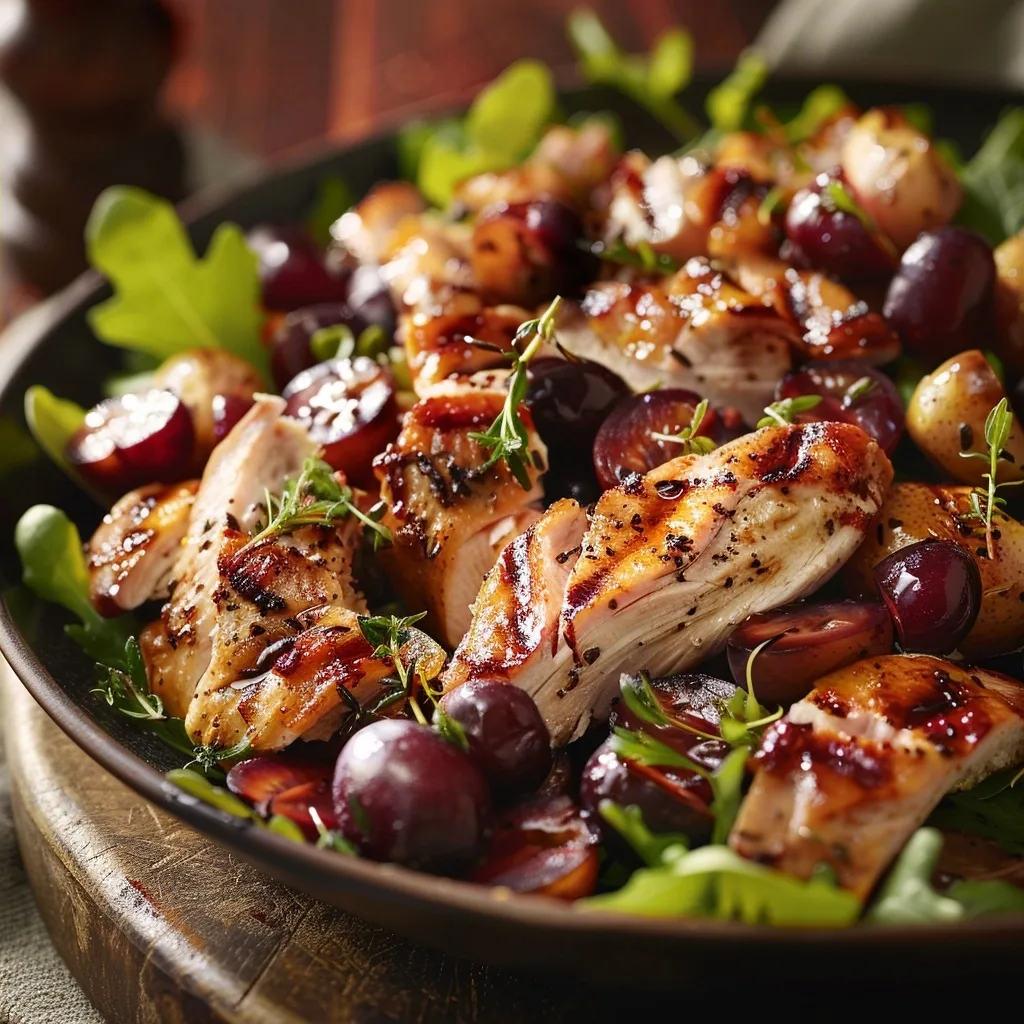

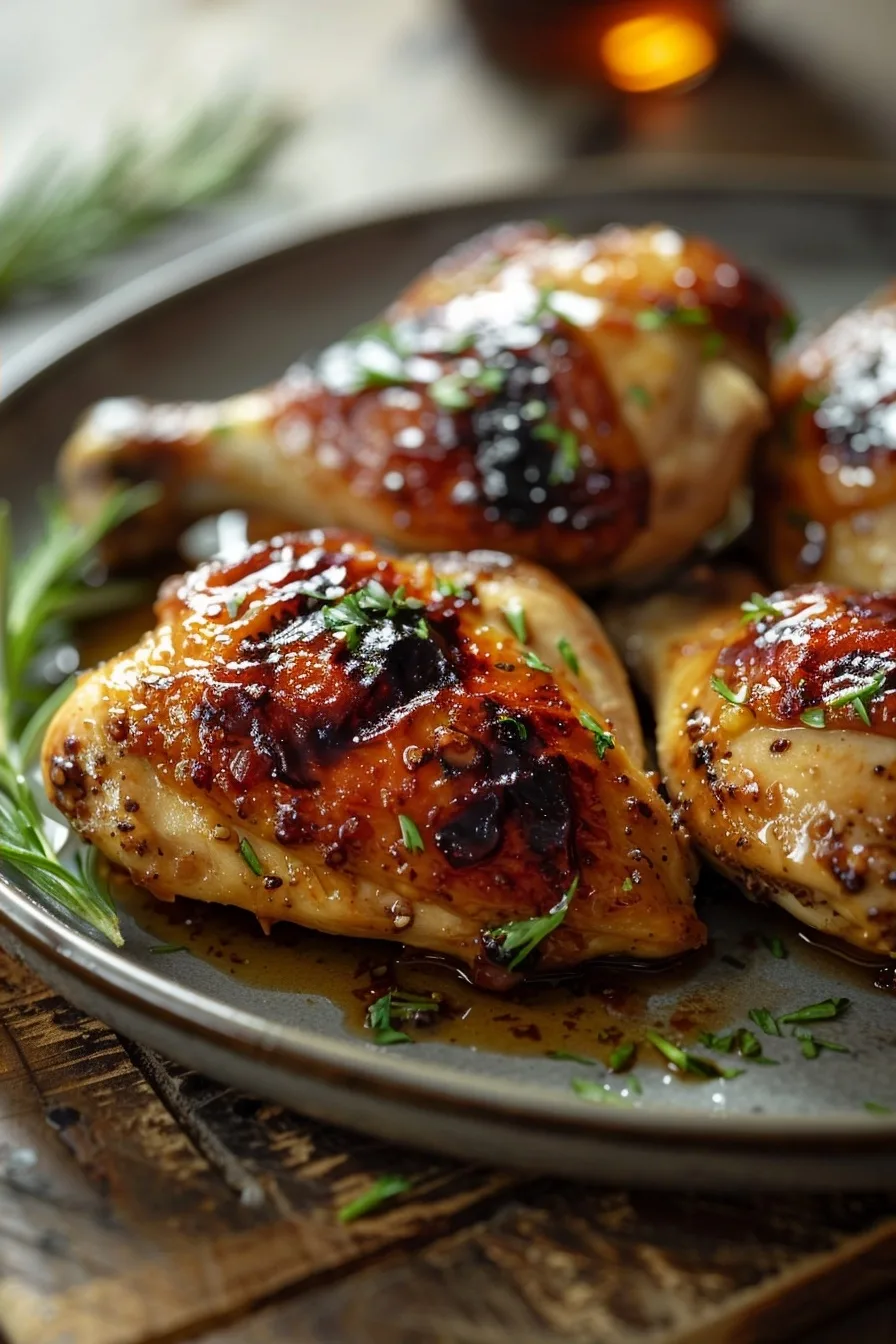
Garlic brown sugar chicken is a high-heat roasted protein prepared by coating fresh poultry in a balanced marinade of aromatic garlic, sweet brown sugar, and savory soy sauce. This dish utilizes the natural sugars within the brown sugar to achieve a caramelized glaze while maintaining a moist interior texture. Chefs prioritize this method for its efficiency, reliability, and the profound depth of flavor developed during the short roasting cycle at high temperatures.
| Prep Time | Cook Time | Total Time | Servings | Difficulty | Cuisine |
|---|---|---|---|---|---|
| 10 mins | 25 mins | 35 mins | 4 | Easy | American |
Why This Recipe Works
The culinary success of this dish relies on the principle of the Maillard reaction. By heating the oven to 400°F (200°C), we trigger a chemical reaction between the amino acids in the soy sauce and the reducing sugars in the brown sugar. This creates a complex, savory crust that seals in juices while providing a distinct aromatic profile that is impossible to replicate with low-heat cooking methods.
I personally advocate for the high-heat approach because it minimizes moisture loss in lean poultry. When breasts are subjected to lower temperatures for longer durations, the muscle fibers contract gradually and expel too much fluid. The intense heat of this recipe finishes the cook cycle before the structural integrity of the protein degrades, ensuring that the chicken remains tender and succulent rather than dry and stringy.
Furthermore, the garlic serves as more than just a seasoning; it acts as a flavor foundation. As the garlic roast, its potent chemical compounds like allicin break down into sweeter, more mellow notes. This balances the intensity of the soy sauce and the caramelizing sugar. The result is a balanced, multi-faceted flavor profile that appeals to a wide range of palates.
Ingredients
| Ingredient | Quantity | Notes |
|---|---|---|
| Chicken Breasts | 1.5 lbs (680g) | Boneless, skinless, pounded to even thickness. |
| Brown Sugar | 3 tbsp (45g) | Light or dark depending on molasses intensity preference. |
| Garlic | 3 cloves | Freshly minced for maximum aromatic release. |
| Soy Sauce | 2 tbsp (30ml) | Use low-sodium for better control over salinity. |
| Olive Oil | 1 tbsp (15ml) | Extra virgin provides a superior mouthfeel. |
Step-by-Step Instructions
Phase 1: Preparation
- Preheat your oven to 400°F (200°C) and line a heavy-bottomed baking sheet with parchment paper for easy cleanup.
- Pound the chicken breasts between two sheets of plastic wrap until they reach a uniform thickness of approximately three-quarters of an inch.
- Whisk the brown sugar, minced garlic, soy sauce, and olive oil in a small glass bowl until the sugar fully dissolves.
Phase 2: Cooking
- Arrange the chicken on the prepared baking sheet, ensuring pieces do not touch to allow hot air circulation.
- Pour the prepared marinade evenly over each breast, ensuring complete coverage on all sides.
- Bake for 20 to 25 minutes, or until the chicken reaches an internal temperature of 165°F (74°C) measured at the thickest point.
Phase 3: Finishing
- Remove the tray from the oven and let the poultry rest for five minutes before slicing to allow the juices to redistribute.
- Brush the reserved pan drippings over the rested chicken for a final glaze finish before serving.
Chef Tips for Perfect Results
- Always use an instant-read thermometer to check internal temperature, as visual cues can be deceptive with varying oven strengths.
- Bring your poultry to room temperature for 15 minutes before baking to ensure even heat penetration throughout the dense muscle tissue.
- For extra depth, toast your garlic lightly in a tiny amount of oil before mixing it into the sugar sauce to mellow the sharp bite.
- Avoid overcrowding the pan; moisture trapped between pieces causes steaming rather than roasting, which prevents a proper caramelized crust.
- Use a heavy-gauge baking sheet to prevent warping at the high 400°F setting, which helps maintain consistent heat transfer.
Common Mistakes to Avoid
One common failure is failing to pound the chicken to an even thickness. If one end is thinner than the other, the thin side will overcook and become chalky long before the thick side hits the safe temperature of 165°F (74°C). Another frequent error is using a high-sugar glaze over too long a period, which leads to carbonization. Monitor your oven closely toward the end of the baking cycle to ensure the sugars darken without burning.
Variations and Substitutions
| Ingredient | Substitution | Impact |
|---|---|---|
| Soy Sauce | Coconut Aminos | Provides a slightly milder sweetness and reduced sodium profile. |
| Olive Oil | Avocado Oil | Higher smoke point for cleaner roasting characteristics. |
| Brown Sugar | Date Syrup | Lower glycemic impact with a deeper, fruity sweetness. |
Serving Suggestions and Pairings
This dish pairs perfectly with roasted seasonal vegetables such as green beans or charred cauliflower. For a heartier meal, serve alongside steamed jasmine rice or a warm quinoa salad to soak up the concentrated garlic and brown sugar glaze. A side of crisp, acidic coleslaw provides a refreshing contrast to the richness of the roast.
Storage and Reheating
| Method | Duration | Instructions |
|---|---|---|
| Refrigerator | 3-4 days | Store in an airtight glass container to prevent odor absorption. |
| Reheating | N/A | Warm in the oven at 300°F (150°C) with a splash of broth to retain moisture. |
Nutritional Information
Approximate values per serving.
| Nutrient | Amount |
|---|---|
| Calories | 280 |
| Protein | 35g |
| Fat | 8g |
| Carbohydrates | 12g |
| Sugar | 10g |
Frequently Asked Questions
Can I substitute chicken thighs for breasts?
Yes, chicken thighs are an excellent choice because their higher fat content makes them more forgiving during high-heat roasting. You may need to increase your cooking time by 5 to 7 minutes to account for the denser composition of the dark meat.
How do I know when the chicken is finished?
The chicken is safe and ready when an instant-read thermometer reads an internal temperature of exactly 165°F (74°C) at the thickest part of the meat. Avoiding guesswork is essential for food safety and optimal texture.
Can this be prepared in advance?
You can marinate the chicken for up to four hours before baking, though marinating for longer than that can begin to alter the texture of the protein due to the salinity of the soy sauce. Always keep the marinating chicken in the refrigerator.
Why did my sauce burn during baking?
Sugars oxidize rapidly at temperatures exceeding 400°F. If you notice the garlic bits darkening too quickly, tent the pan loosely with foil for the final five minutes of the roasting process.
Is freezing recommended?
Freezing is possible for up to one month if the chicken is stored in a vacuum-sealed bag with minimal air contact. Thaw overnight in the refrigerator before reheating according to the standard method.
Mastering this garlic brown sugar chicken provides a reliable, restaurant-quality result that centers on simple, intentional techniques. By respecting the chemical interactions between your proteins and the sugar glaze, you achieve a golden, savory crust that highlights the natural quality of the chicken. When you pull this dish from the oven, notice the aromatic bouquet of garlic and caramelized sugar that signals a perfectly timed roast. Enjoy the balanced depth of flavor in every forkful of this straightforward, expert-level meal.