
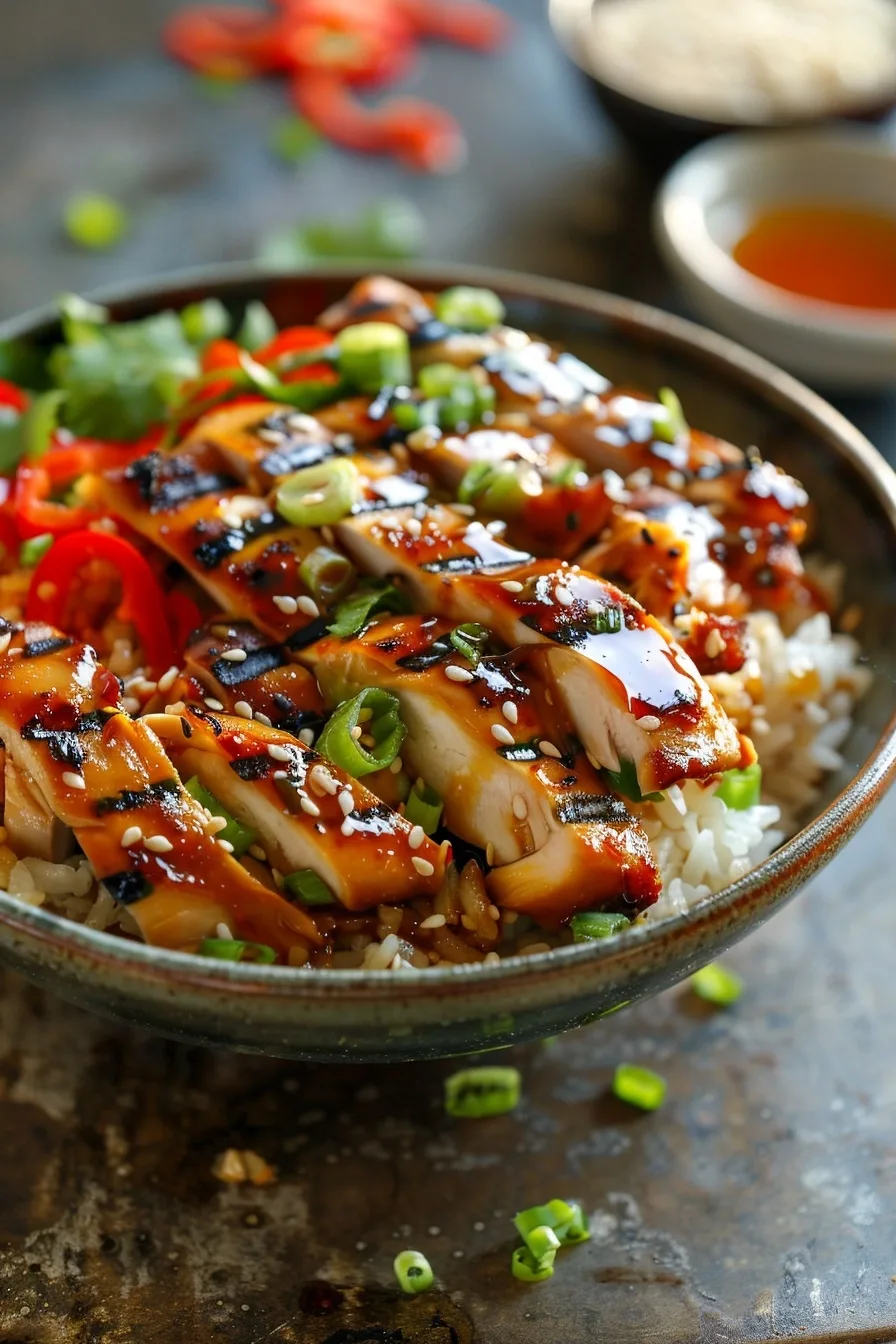
Easy Hawaiian Teriyaki Chicken Rice Bowls provide a professional-quality, restaurant-style meal that balances savory protein with bright, tropical acidity in under thirty minutes. This dish relies on the rapid caramelization of sugars found in a high-quality teriyaki base, ensuring a glossy, restaurant-grade finish. By controlling the heat and focusing on protein denaturation, home cooks can achieve a perfect texture that stays tender and succulent without needing complex professional equipment.
Recipe Overview
| Prep Time | Cook Time | Total Time | Servings | Difficulty | Cuisine |
|---|---|---|---|---|---|
| 10 minutes | 15 minutes | 25 minutes | 4 | Easy | Hawaiian-Fusion/American |
Why This Recipe Works
I developed this specific method to solve the common issue of dry, overcooked poultry often found in quick stir-fry recipes. By cubing the chicken breasts into uniform one-inch pieces, I ensure that the internal temperature reaches the USDA-recommended 165°F (74°C) simultaneously across the entire batch. This consistency prevents the edges from drying out while the center stays raw.
The science of the Maillard reaction is critical here. When the chicken hits the hot skillet, the proteins and reducing sugars on the surface interact to create complex flavor compounds. I avoid overcrowding the pan, which would lower the temperature and lead to steaming rather than browning. Once the golden-brown crust forms, the heat is modulated to allow for the glazing process.
Adding pineapple during the final stage of cooking introduces bromelain and fructose to the pan. These enzymes and sugars work with the teriyaki sauce to glaze the meat, creating a sticky, savory-sweet coating. Using a mix of soy-based sauce and acidity provides a deep umami foundation that mimics the complexity of fermented ingredients without the need for alcohol-based additives like mirin.
Ingredients
| Ingredient | Quantity | Notes |
|---|---|---|
| Chicken Breast | 1.5 lbs | Cut into 1-inch uniform cubes |
| Teriyaki Sauce | 1/2 cup | Use a premium, alcohol-free blend |
| Pineapple Chunks | 1 cup | Fresh or canned in juice (drained) |
| White Rice | 2 cups | Cooked and kept steaming hot |
| Vegetable Oil | 2 tbsp | High smoke point oil like avocado or canola |
| Green Onions | 2 tbsp | Thinly sliced for garnish |
Step-by-Step Instructions
Phase 1: Prep and Mise en Place
- Clean and dry the chicken breasts thoroughly with paper towels to ensure effective searing.
- Cube the meat into uniform 1-inch pieces to promote even cooking performance.
- Measure the teriyaki sauce into a small bowl and set aside near the stove.
- Cook the white rice according to package directions and keep it covered to maintain moisture.
Phase 2: Searing the Protein
- Heat the oil in a large heavy-bottomed skillet or wok over medium-high heat.
- Place the chicken pieces in a single layer, ensuring they are not touching so they can sear.
- Sear the chicken for 4 to 5 minutes undisturbed to develop a deep golden-brown crust.
- Flip the pieces and cook for another 3 minutes until nearly cooked through.
Phase 3: Glazing and Finishing
- Add the pineapple chunks to the skillet, allowing them to warm through for 60 seconds.
- Pour the teriyaki sauce over the chicken and pineapple, stirring constantly to coat everything evenly.
- Simmer the sauce for 2 minutes until it thickens into a glossy glaze that coats the back of a spoon.
- Remove from heat immediately to prevent the sauce sugars from burning.
Chef Tips for Perfect Results
- Use a digital meat thermometer to verify the interior of the largest chicken cube hits exactly 165°F (74°C) to ensure safety and tenderness.
- Choose cast-iron or stainless steel cookware for the best heat retention during the searing process.
- Let the sauce bubble at a low simmer; if it boils too rapidly, the sugars will break down and become bitter.
- Garnish with freshly sliced green onions to provide a sharp, pungent contrast to the sweet pineapple and savory sauce.
- If you prefer a thicker glaze, whisk a teaspoon of cornstarch into the cold teriyaki sauce before adding it to the hot pan.
Common Mistakes to Avoid
- Overcrowding the pan results in the chicken releasing too much liquid; instead, work in two batches to maintain a high heat for optimal browning.
- Using cold chicken straight from the refrigerator creates a temperature delta that kills the sear; let the meat sit out for 10 minutes before cooking.
- Cooking the sauce too long makes it overly salty as the moisture evaporates, leaving behind a concentrated, gummy residue.
- Failing to dry the chicken surface prevents proper searing, leading to grey, soft meat rather than a flavorful, browned exterior.
Variations and Substitutions
| Ingredient | Substitution | Impact on Flavor/Texture |
|---|---|---|
| Chicken Breast | Chicken Thighs | Adds more fat and deeper flavor profile |
| Vegetable Oil | Coconut Oil | Introduces a subtle tropical aroma |
| Teriyaki Sauce | Honey-Soy-Ginger mixture | Provides more control over the sugar levels |
Serving Suggestions and Pairings
Serve these bowls in shallow ceramic dishes to showcase the vibrant colors of the pineapple and green onions. Pair with a side of steamed broccoli or baby bok choy to balance the caloric density. For a refreshing beverage, choose a sparkling ginger-lime mocktail to cut through the sweetness of the teriyaki glaze.
Storage and Reheating
| Method | Duration | Technical Instructions |
|---|---|---|
| Refrigerator | 3 days | Store in an airtight container to prevent surface crust hardening |
| Reheating | Stovetop | Reheat on medium-low with a tablespoon of water to revive the glaze |
Nutritional Information (Approximate values)
| Nutrient | Amount per Serving |
|---|---|
| Calories | 480 |
| Protein | 32g |
| Carbohydrates | 65g |
| Fat | 8g |
Frequently Asked Questions
How can I tell when the chicken is fully cooked?
Use an instant-read thermometer to check the core temperature of a cube; it must register 165°F (74°C). Avoid judging by color alone as different sauces can mask the external appearance of the protein.
Can I freeze the cooked teriyaki chicken?
Freezing is not recommended because the glaze will lose its emulsion and turn watery upon thawing. This recipe is best enjoyed immediately after the cooking process for optimal texture.
Why does the chicken taste a bit chewy?
Chewiness usually results from overcooking the fiber in the meat at a low temperature. Ensure your skillet is hot enough to achieve a quick sear, which traps juices inside the protein structure.
Is there a way to make this spicier?
Whisk a teaspoon of chili flakes or ground ginger into the teriyaki sauce before adding it to the pan. This provides a warm, lingering heat that complements the pineapple.
Can I replace the chicken breast with tofu?
Yes, extra-firm tofu works well; however, you must press it for 30 minutes to remove excess water before cooking. This ensures the tofu absorbs the teriyaki sauce rather than diluting it.
Mastering this dish highlights the beauty of simple, high-heat cooking techniques in the home kitchen. By focusing on ingredient preparation and specific heat management, you provide a meal that rivals any takeout option. The contrast between the caramelized chicken and the bright acidity of the pineapple creates an experience that is both comforting and sophisticated. Enjoy the process of creating this classic bowl, knowing that precision leads to the most delicious, consistent results every single time you cook.
Easy Hawaiian Teriyaki Chicken Rice Bowls
Preparation Time: 10 minutes | Cooking Time: 15 minutes | Servings: 4
- 1.5 lbs chicken breast, cubed
- 1 cup pineapple chunks
- 1/2 cup teriyaki sauce
- 2 cups cooked rice
- 2 tbsp oil
Heat oil in a skillet, sear chicken until golden and reach 165°F internal temperature. Stir in pineapple and teriyaki sauce. Simmer briefly until glazed. Serve over hot rice.