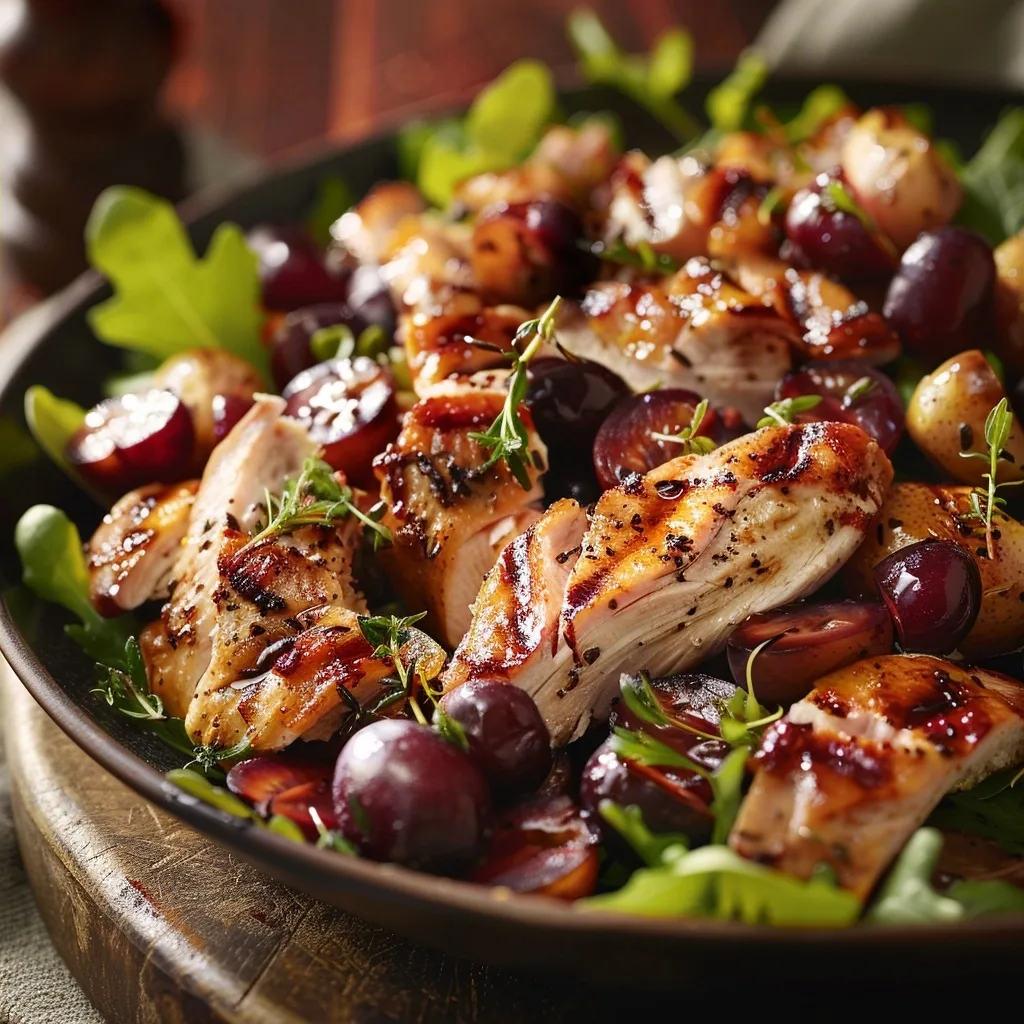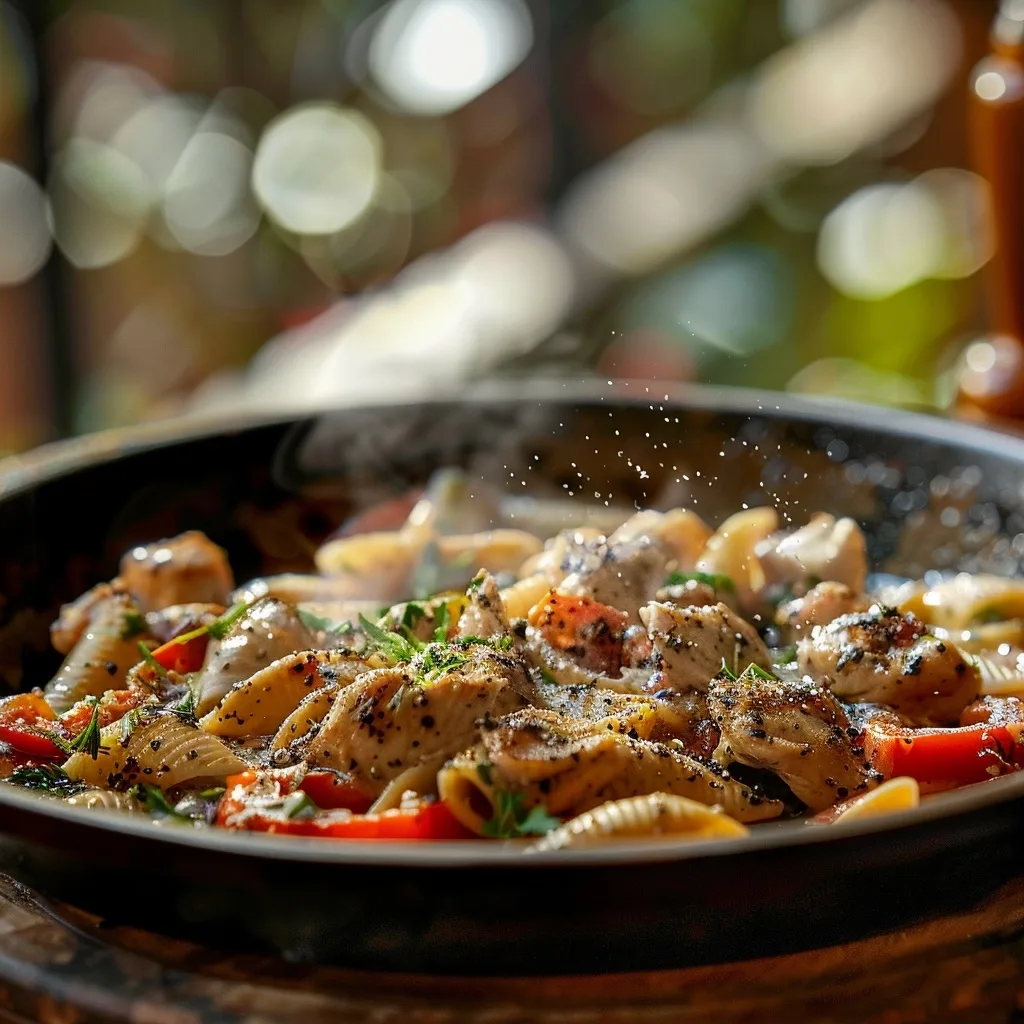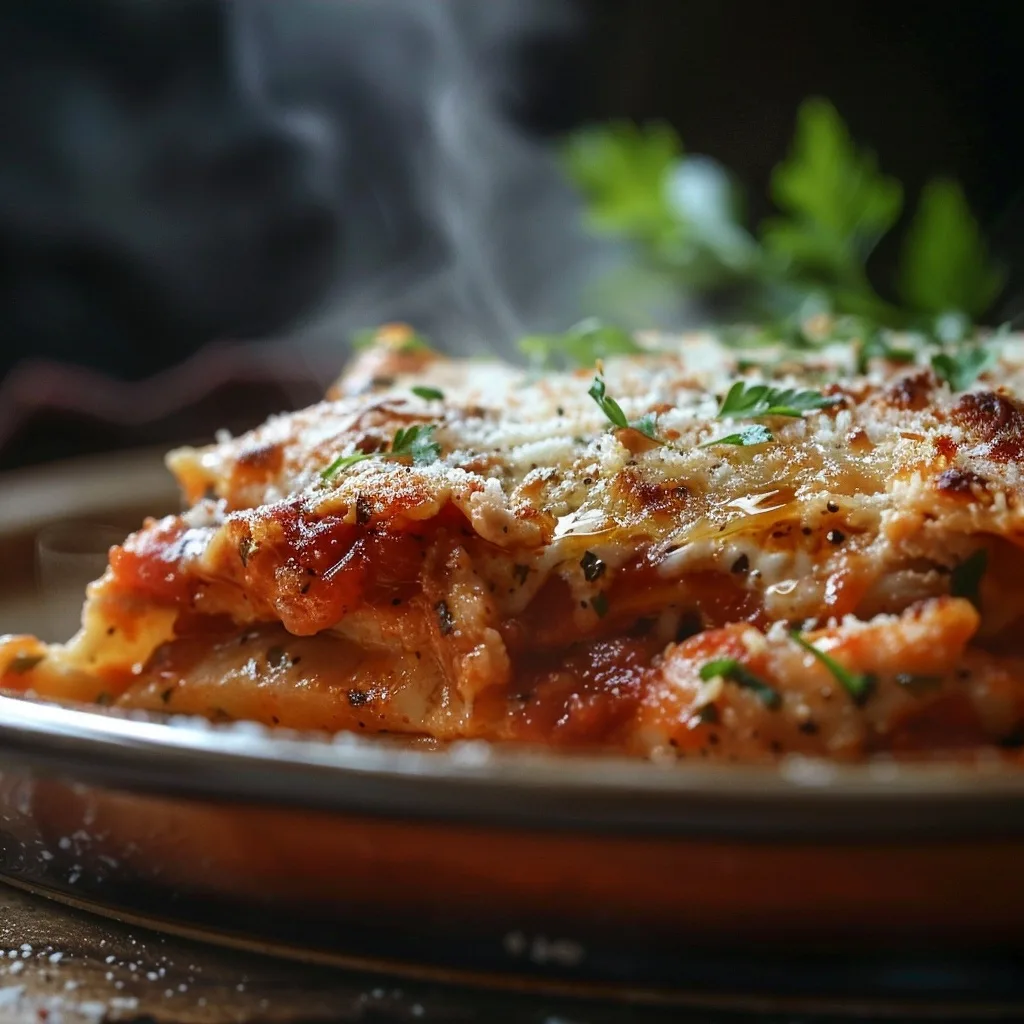

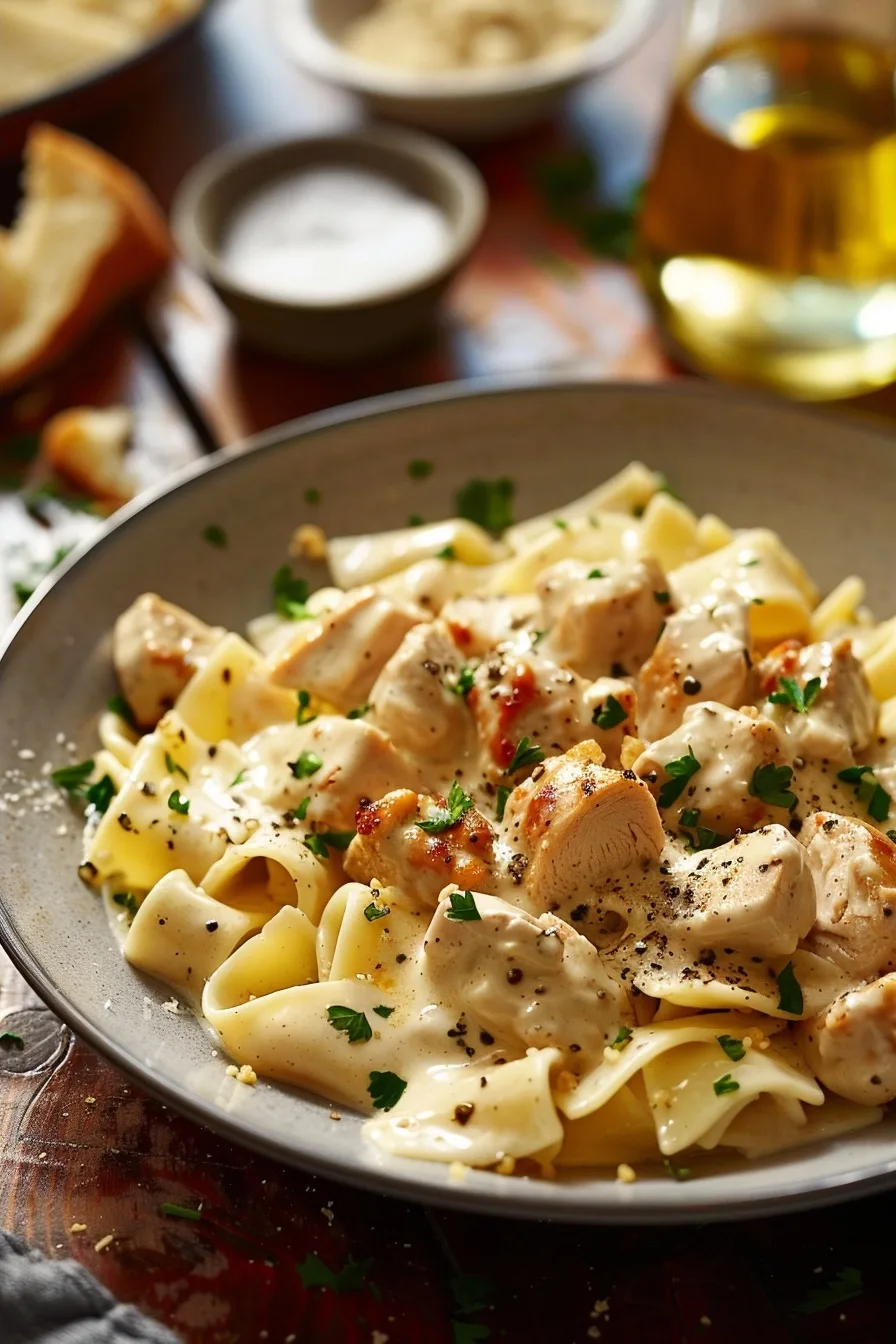
Ultra Creamy Tuscan Chicken Pasta delivers a sophisticated balance of pan-seared chicken, sun-dried tomatoes, and rich cream sauce in every bite. This refined dish emphasizes the interplay between savory aromatics and high-quality dairy to create a luxurious texture. It serves as a reliable main course for those who prioritize clean, fresh ingredients while maintaining the depth of a slow-cooked Italian inspired meal.
| Prep Time | Cook Time | Total Time | Servings | Difficulty | Cuisine |
|---|---|---|---|---|---|
| 15 minutes | 20 minutes | 35 minutes | 4 | Easy | Italian American |
Why This Recipe Works
The secret to this dish lies in the Maillard reaction. When you sear the chicken breast pieces, you create complex flavor compounds on the surface of the meat that provide a foundational savory profile. By cooking the chicken in a hot skillet, you lock in natural juices while building the initial fond, which becomes the base for the cream sauce.
Food science dictates that fat is a flavor carrier. Utilizing heavy cream creates a stable emulsion that perfectly coats the penne pasta. The acidity provided by the sun-dried tomatoes cuts through the richness of the dairy, ensuring the dish remains balanced rather than heavy. This scientific approach prevents the sauce from breaking or separating during the final marriage of components.
Temperature control is essential when introducing the spinach. Adding fresh greens at the very last moment preserves their vibrant color and essential nutrients while wilting them just enough to integrate into the emulsion. This method maintains the structural integrity of every component, resulting in a cohesive experience that feels intentional and well-structured.
Ingredients
| Ingredient | Quantity | Notes |
|---|---|---|
| Chicken Breast Strips | 1 lb | Cut into uniform 1-inch strips |
| Penne Pasta | 8 oz | Cooked al dente |
| Sun-dried Tomatoes | 1/2 cup | Oil-packed, thinly sliced |
| Heavy Cream | 1/2 cup | High fat content for stability |
| Fresh Spinach | 1/4 cup | Packed fresh leaves |
| Garlic Cloves | 3 pcs | Minced finely |
| Vegetable Broth | 1/4 cup | Used to deglaze the pan |
Step-by-Step Instructions
Phase 1: Boiling the Pasta
- Boil a large pot of salted water.
- Drop the penne pasta into the boiling water.
- Cook the pasta until it reaches an al dente texture.
- Drain the pasta, reserving a small amount of starchy water.
Phase 2: Searing the Chicken
- Heat a large skillet over medium-high heat with a high-smoke-point oil.
- Season the chicken breast strips with sea salt and black pepper.
- Place the chicken in the skillet, ensuring no overcrowding.
- Sear each side until golden brown and the internal temperature hits 165°F (74°C) [Check USDA guidelines].
- Remove the chicken from the pan and set it aside.
Phase 3: Building the Sauce
- Lower the heat to medium and add minced garlic to the same pan.
- Sauté the garlic for thirty seconds until fragrant.
- Deglaze the skillet using vegetable broth, scraping the bottom to release the brown bits.
- Pour the heavy cream into the skillet and allow it to simmer gently.
- Stir in the sun-dried tomatoes once the cream begins to thicken slightly.
- Add the cooked spinach and stir until it wilts into the sauce.
Phase 4: Integration
- Return the cooked chicken strips to the skillet.
- Toss the cooked penne pasta into the pan.
- Mix gently until every piece of pasta is thoroughly coated with the sauce.
- Serve immediately while piping hot.
Chef Tips for Perfect Results
- Always pat your chicken breast strips dry with a paper towel before searing to maximize the browning effect.
- Use room temperature heavy cream to help maintain a stable emulsion when incorporating it into the warm pan.
- Keep the heat on medium-low during the final sauce reduction to prevent the cream from splitting.
- Pasta should be slightly undercooked before tossing into the sauce to allow it to finish in the cream without becoming mushy.
- Freshly minced garlic provides a superior aromatic profile compared to pre-minced options.
- Monitor the internal temperature of the chicken precisely to ensure it stays succulent rather than becoming dry.
Common Mistakes to Avoid
- Crowding the pan: This causes the chicken to steam instead of sear, resulting in a rubbery texture.
- Adding dairy to a boiling pan: This can cause the fat to separate. Always keep the heat at a gentle simmer.
- Overcooking the pasta: It loses its structural composition during the final toss with the sauce.
- Skipping the deglazing step: You lose the deepest layer of savory flavor built during the browning process.
Variations and Substitutions
| Ingredient | Substitution | Impact |
|---|---|---|
| Heavy Cream | Full-fat Coconut Milk | Adds a subtle sweetness and lighter mouthfeel |
| Vegetable Broth | Chicken Bone Broth | Increases the protein content and savory depth |
| Penne | Whole Wheat Penne | Adds fiber and nuttier taste profile |
Serving Suggestions and Pairings
Pair this dish with a crisp garden salad dressed in a light lemon vinaigrette to cut through the richness. A side of roasted asparagus or steamed broccoli works exceptionally well. For beverages, a sparkling cucumber-lime cooler or chilled cucumber-infused water complements the savory nature of the cream sauce. This menu is ideal for casual family dinners or sophisticated weekend meals where you want to impress without sacrificing simplicity.
Storage and Reheating
| Method | Duration | Reheating Instructions |
|---|---|---|
| Refrigerator | 3 Days | Add a splash of broth and heat on low in a skillet |
| Freezing | Not Recommended | Dairy-based sauces often separate upon thawing |
Nutritional Information
| Nutrient | Amount per Serving |
|---|---|
| Calories | 480 |
| Protein | 32g |
| Fat | 22g |
| Carbohydrates | 45g |
Frequently Asked Questions
Can I use milk instead of heavy cream?
Heavy cream is preferred for its high fat content, which creates a stable, thick sauce. Milk lacks this structure and will result in a thin, watery texture that fails to coat the pasta.
How do I know if the chicken is properly cooked?
Use a digital meat thermometer to confirm an internal temperature of exactly 165°F (74°C). This ensures safe consumption while maintaining maximum moisture within the meat.
What is the benefit of deglazing the pan?
Deglazing lifts the « fond, » which is the flavorful brown layer of caramelized proteins left from the chicken. This step acts as the flavor anchor for the entire cream sauce.
Can I make this dish ahead of time?
It is best served immediately after preparation to maintain the texture of the sauce. If you must pre-cook, keep the pasta and sauce separate until the final heating stage.
How do I fix a sauce that has separated?
Slowly whisk in a tablespoon of the reserved starchy pasta water. The starch acts as a stabilizer to bring the emulsion back together.
Achieving a restaurant-quality meal at home requires attention to time, temper, and technique. This recipe offers a reliable way to create a memorable dinner experience that highlights the quality of fresh ingredients. Enjoy the process of building the sauce and the satisfaction of a perfectly composed plate of food. Every forkful offers a blend of succulent chicken and velvety sauce that showcases how simple pantry staples become an extraordinary meal.
Recipe Card
Yield: 4 Servings | Difficulty: Easy | Prep Time: 15m | Cook Time: 20m