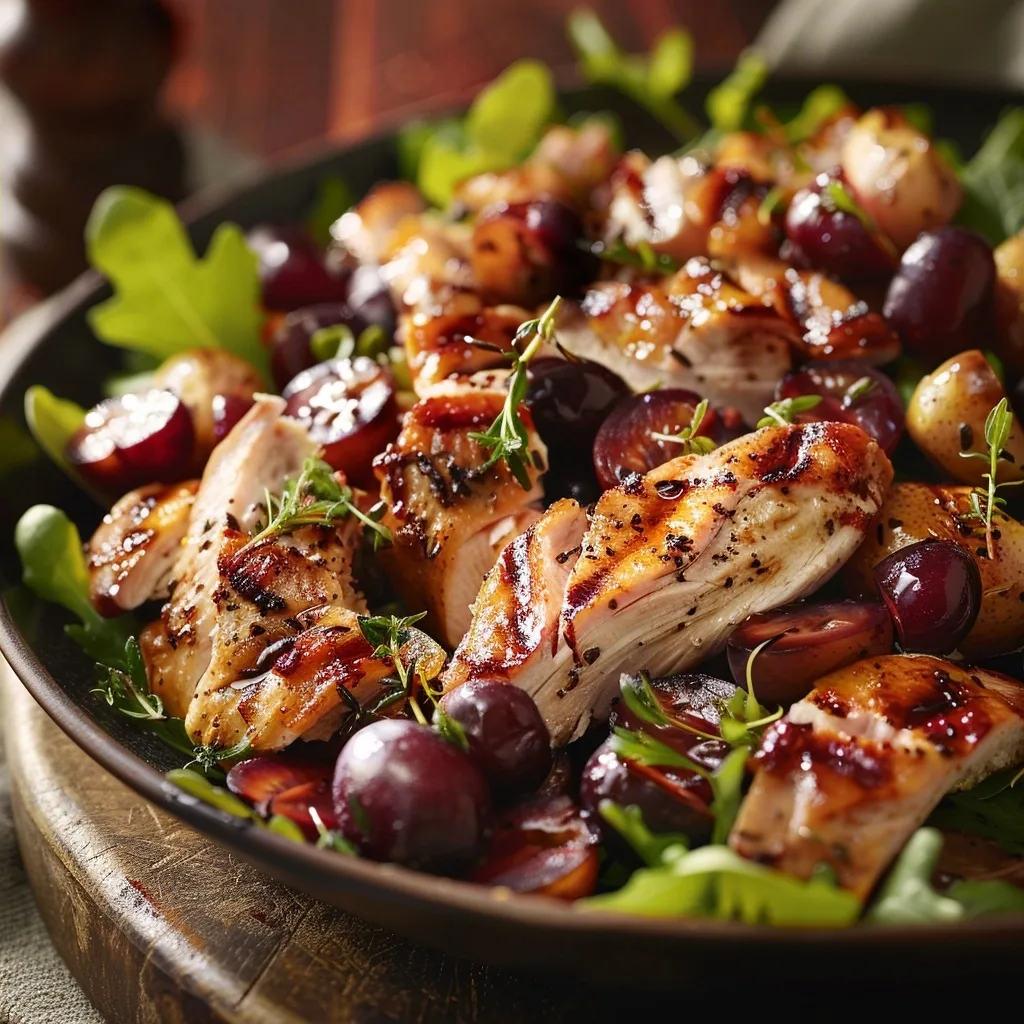

Cucumber Dill Rotisserie Chicken Salad Made with Greek Yogurt is a refreshing, high-protein meal showcasing the optimal marriage of crisp textures and creamy, tangy acidity. This dish utilizes pre-cooked rotisserie chicken as a foundation, allowing for an effortless assembly that focuses on fresh, seasonal aromatics and cooling dairy-based emulsions. It serves as a definitive example of how simple, accessible ingredients transform into a balanced, nutrient-dense lunch or light dinner through proper preparation techniques.

| Prep Time | Cook Time | Total Time | Servings | Difficulty | Cuisine |
|---|---|---|---|---|---|
| 10 minutes | 0 minutes | 40 minutes | 4 | Easy | American |
Why This Recipe Works
The culinary success of this salad relies entirely on the structural integrity of the cucumber and the protein density of the rotisserie chicken. By utilizing thick, strained Greek yogurt, I ensure the dressing adheres perfectly to the fibrous shredded chicken without breaking down into a watery mess. The high fat content in whole-milk yogurt acts as the primary flavor carrier for the delicate dill, preventing the herbaceous notes from becoming overly bitter or sharp during the chilling process.
Temperature control is the next critical factor here, as the fats in the yogurt solidify slightly while refrigerated. Chilling the mixture for at least 30 minutes allows the volatile oils in the fresh dill to permeate the chicken fibers and cucumber skin. This period of maceration ensures each bite contains a consistent distribution of salt, acidity, and aromatic herb oils, creating a cohesive dish rather than a collection of separate ingredients.
Finally, the water activity in the cucumber is managed by proper dicing and immediate incorporation. Because cucumbers are primarily water, their crunch provides the necessary contrast to the dense, cooked protein of the chicken. I avoid salting the cucumber until the mixing stage, which prevents excessive moisture release that would otherwise dilute the creamy yogurt consistency. This science-led approach guarantees a sturdy, spoonable salad that retains its texture even after refrigeration.
Ingredients
| Ingredient | Quantity | Notes |
|---|---|---|
| Rotisserie Chicken | 2 cups | Shredded, skinless |
| English Cucumber | 1 cup | Diced, seeds removed |
| Greek Yogurt | 1/2 cup | Plain, full-fat |
| Fresh Dill | 1 tbsp | Finely chopped |
| Sea Salt | 1/2 tsp | Adjust to taste |
| Lemon Juice | 1 tsp | Adds necessary acidity |
Step-by-Step Instructions
Preparation
- Shred the rotisserie chicken into bite-sized strips using two forks, ensuring all cartilage and inedible bones are removed.
- Dice the English cucumber into uniform quarter-inch cubes, removing the watery core portion to prevent excessive moisture dilution.
- Wash the fresh dill thoroughly and chop it finely with a sharp chef’s knife, ensuring the herb remains dry before chopping to avoid bruising the leaves.
Mixing and Assembly
- Combine the Greek yogurt, chopped dill, and lemon juice in a large non-reactive glass mixing bowl.
- Whisk the dressing base until perfectly smooth, ensuring no lumps of yogurt remain.
- Fold the shredded chicken and diced cucumber into the yogurt mixture using a rubber spatula.
- Incorporate the salt sparingly, testing the profile as you fold the ingredients together.
Chilling
- Cover the bowl tightly with plastic wrap to prevent the absorption of exterior odors.
- Place the salad in the coldest part of your refrigerator for a minimum of 30 minutes before serving.
Chef Tips for Perfect Results
- Use cold ingredients to keep the yogurt emulsion stable and prevent bacterial growth during the assembly process.
- English cucumbers are preferred because their thin skin eliminates the need for peeling, which preserves color contrast.
- Shred the chicken while it is still slightly warm, as the proteins are more pliable and absorb the yogurt dressing better than cold, refrigerated chicken.
- Avoid using dried dill, as the oily, botanical notes of fresh dill are essential for the clean, bright flavor profile of this salad.
- Keep the bowl over an ice bath if preparing in a warm kitchen environment to maintain the structural integrity of the yogurt dressing.
Common Mistakes to Avoid
- Adding salt too early causes the cucumbers to expel moisture rapidly, which results in a thin, watery dressing that pools at the bottom of the bowl.
- Over-mixing the salad after adding the chicken will cause the chicken fibers to break down and become mushy, destroying the texture contrast.
- Using non-fat or watery yogurt ruins the mouthfeel; you must use high-quality, strained Greek yogurt to achieve the necessary viscosity.
- Failing to remove the cucumber seeds introduces excess liquid that compromises the salad’s ability to hold its form on bread or lettuce leaves.
Variations and Substitutions
| Ingredient | Substitution | Impact on Flavor/Texture |
|---|---|---|
| Greek Yogurt | Labneh | Adds a slightly more tangy, cream cheese-like consistency. |
| Dill | Fresh Chives | Provides a mild onion-like sharpness instead of an herbal, cooling note. |
| Lemon Juice | Apple Cider Vinegar | Offers a more fermented, punchy acidic finish. |
| Chicken | Poached Turkey Breast | Offers a lower fat content with a similar protein structure. |
Serving Suggestions and Pairings
Serve this cold salad inside oversized, toasted artisan sourdough slices or inside large Boston bibb lettuce cups for a crisp, low-carb experience. Pair the meal with a chilled, non-alcoholic cucumber and mint-infused sparkling water to complement the cooling dill notes. For a complete dining experience, serve alongside a light side of roasted root vegetables seasoned with smoked paprika to introduce a warm, savory note.
Storage and Reheating
| Method | Duration | Handling Instructions |
|---|---|---|
| Refrigerator | 2 Days | Store in an airtight glass container, pressing plastic wrap directly onto the surface to prevent oxidation. |
| Freezing | Not Recommended | Freezing ruins the texture of the yogurt and fresh cucumber, leaving the salad watery and separated upon thawing. |
Nutritional Information
| Nutrient | Amount per Serving |
|---|---|
| Calories | 185 kcal |
| Protein | 22g |
| Fat | 8g |
| Carbohydrates | 6g |
| Fiber | 1g |
(Approximate values based on standard USDA data.)
Frequently Asked Questions
Can I make this salad ahead of time?
You can prepare the salad up to 12 hours in advance, but it is best enjoyed within 24 hours to ensure the cucumber remains crisp and the yogurt stays thick.
How do I know if the chicken is properly shredded?
The chicken should be shredded into strands about one inch in length, which allows for maximum surface area coverage by the yogurt dressing while maintaining a pleasant chew.
What is the benefit of removing cucumber seeds?
Cucumber seeds contain high water content and minimal flavor, so removing them prevents the salad from becoming soupy after it sits in the refrigerator.
Can I add nuts for extra crunch?
Adding toasted sliced almonds provides an excellent nutty flavor and an additional layer of crunch that complements the creaminess of the yogurt.
Is this recipe safe if I have a dairy sensitivity?
You can substitute the Greek yogurt with a thick, plain plant-based coconut yogurt, ensuring you choose a brand with no added sugars for the best flavor balance.
This Cucumber Dill Rotisserie Chicken Salad is a study in precise, simple culinary execution. By respecting the chemical nature of the dairy and the water content of the vegetables, you achieve a balanced meal that feels both indulgent and remarkably clean. The interplay between the savory, tender chicken and the bright, herbal crunch of the dill creates a memorable bite that resets the palate, confirming that the most effective recipes are often those that value quality ingredients and sound technique over complex preparation.