
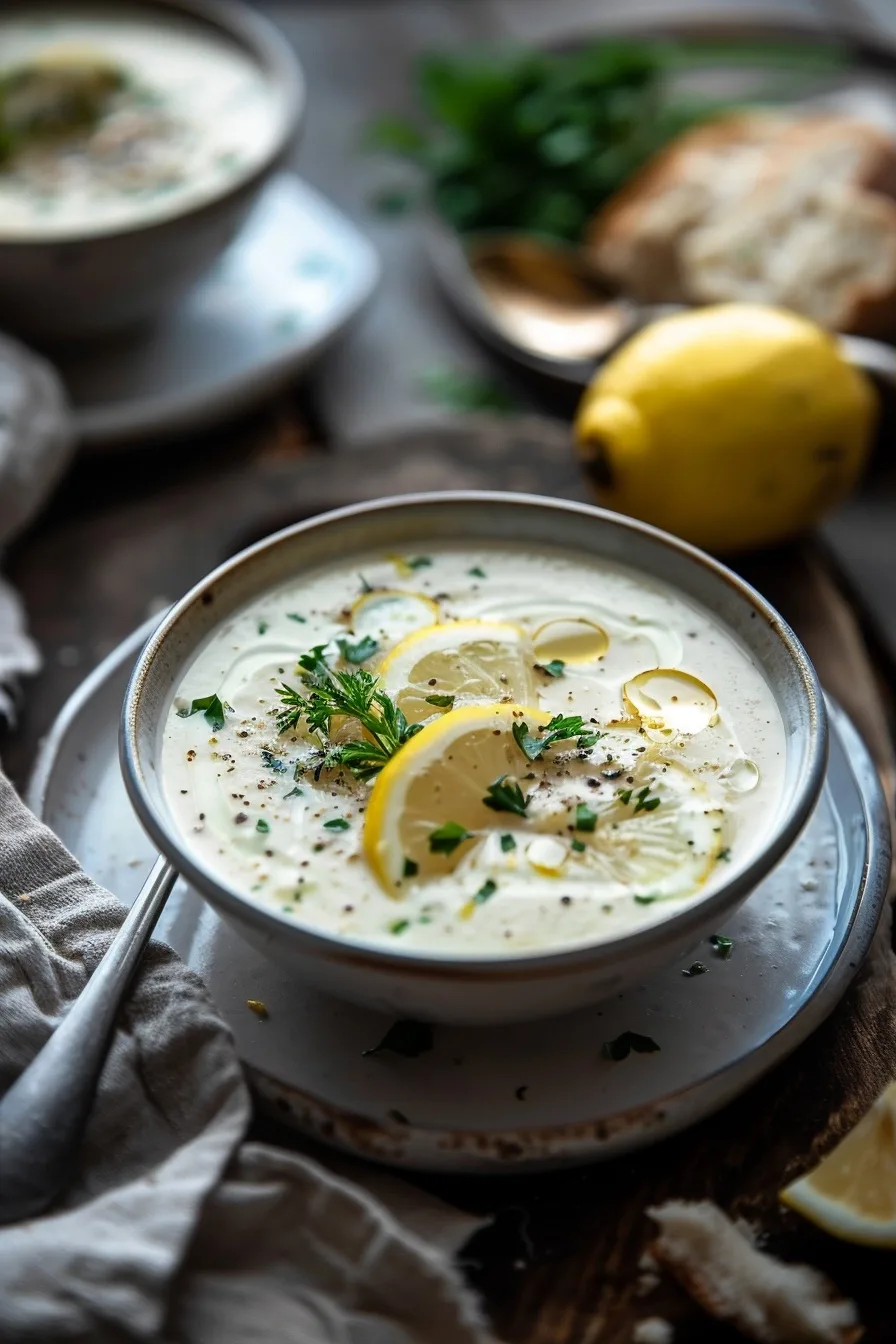
The Ultimate Creamy Greek Lemon Chicken Soup provides a comforting, protein-rich meal defined by the bright acidity of fresh citrus and the velvety texture of a tempered egg emulsion. Utilizing precise culinary techniques to achieve a professional broth consistency, this dish offers a clean flavor profile suitable for any sophisticated home kitchen. It stands as a pinnacle of Mediterranean-inspired cooking, balancing high-quality bone-based aromatics with the starch-driven body of perfectly cooked orzo.
Recipe Overview
| Metric | Details |
|---|---|
| Prep Time | 10 minutes |
| Cook Time | 20 minutes |
| Total Time | 30 minutes |
| Servings | 4 |
| Difficulty | Intermediate |
| Cuisine | Greek-American |
Why This Recipe Works
This soup operates on the principle of protein emulsification. By whisking fresh egg yolks with acidic lemon juice and slowly tempering them with a portion of the hot broth, we create a structure that thickens the liquid without the need for heavy cream. This chemical reaction ensures the soup remains lightweight while developing a luxurious, coat-the-spoon mouthfeel that defines traditional avgolemono-style preparations.
The culinary logic behind using orzo goes beyond simple texture. As the pasta grains simmer directly in the liquid, they release a specific type of amylose starch that stabilizes the broth. This interaction helps prevent the egg-lemon mixture from curdling or separating, ensuring a cohesive and professional presentation. I monitor the heat closely during the final stage to ensure the egg proteins denature into a silky state rather than scrambling.
Temperature control represents the most critical variable in this execution. If the broth remains at a rolling boil while adding the egg mixture, the eggs will coagulate too quickly, creating unwanted lumps. By lowering the heat to a gentle simmer—or even turning it off entirely—I allow the residual caloric energy to slowly bind the lipids and proteins. This method produces the most stable, smooth soup possible for your table.
Ingredients
| Ingredient | Quantity | Notes & Alternatives |
|---|---|---|
| Shredded Chicken | 2 cups | Use poached, rotisserie, or pressure-cooked breast or thigh meat. |
| High-Quality Broth | 4 cups | Use chicken bone broth for deeper collagen content and flavor. |
| Orzo Pasta | 1/2 cup | Substitute with rice for a gluten-free twist, though cook time will increase slightly. |
| Large Eggs | 2, whisked | Ensure eggs are at room temperature for faster emulsification. |
| Fresh Lemon Juice | 1/4 cup | Use freshly squeezed only; bottled juice lacks the necessary complex aromatic oils. |
| Kosher Salt & Pepper | to taste | Adjust to your palate after the final emulsion stage. |
Step-by-Step Instructions
Preparation
- Shred your pre-cooked chicken into bite-sized pieces using two forks or your fingers.
- Prepare your mise-en-place by whisking the eggs and lemon juice together in a medium mixing bowl until bubbly.
- Measure out your chicken broth and place it in a large Dutch oven or soup pot.
Cooking the Base
- Heat the chicken broth over medium-high heat until it reaches a low, active simmer.
- Add the orzo pasta directly to the pot, stirring occasionally to prevent sticking to the bottom.
- Simmer the pasta for approximately 8 to 10 minutes until it achieves an al dente texture.
- Add the shredded chicken to the pot so it reaches the same temperature as the liquid.
Technique of Tempering
- Reduce the heat to the lowest setting or turn off the burner to prevent egg scrambling.
- Ladle approximately one cup of the hot broth slowly into the egg-lemon mixture while whisking constantly.
- Pour the tempered egg mixture back into the soup pot in a slow, steady stream.
- Continue stirring the soup gently for 60 seconds until the broth takes on a pale, opaque, creamy appearance.
Chef Tips for Perfect Results
- Always bring your eggs to room temperature before tempering to ensure the mixture doesn’t shock the broth.
- Use a heavy-bottomed pot to distribute heat evenly and prevent scorching the starch at the base.
- Whisk the egg and lemon mixture until it is pale yellow and slightly aerated to ensure a lighter final texture.
- Season with your salt and pepper only after the egg mixture is incorporated to avoid over-salting as the liquid reduces.
- For a restaurant-grade finish, whisk in a tablespoon of fresh, chopped herbs like dill or parsley after serving.
- If the soup appears too thick upon standing, add a small splash of warm water to return it to the desired consistency.
Common Mistakes to Avoid
- Adding cold eggs to boiling soup causes immediate scrambling; always temper the mixture with hot broth first.
- Using bottled lemon juice introduces a metallic aftertaste that masks the fresh brightness expected in this dish.
- Overcooking the orzo turns the soup into a paste; monitor the pasta texture closely as starch absorption continues after heating stops.
- Stirring too violently during the final emulsion can lead to air bubbles; use gentle, circular motions to bind the sauce.
Variations and Substitutions
| Ingredient | Substitution | Impact on Flavor & Texture |
|---|---|---|
| Chicken Broth | Vegetable Broth | Provides a lighter, earthier profile; slightly less body due to lower collagen levels. |
| Orzo | Pearl Couscous | Offers a chewier bite; absorbs liquid faster so monitor volume. |
| Lemon Juice | Apple Cider Vinegar Mix | Adds sharpness without the citrus aromatics; use sparingly. |
Serving Suggestions and Pairings
Serve this soup in pre-warmed bowls to retain heat, as the emulsified egg mixture is sensitive to temperature drops. Complement the meal with crusty sourdough bread rubbed with garlic or a fresh kale salad featuring toasted almonds. For a beverage pairing, a chilled glass of still water with a slice of fresh cucumber is an excellent, sophisticated choice. This dish performs best as a lunch entrée or a light dinner starter for guests.
Storage and Reheating
| Method | Duration | Handling Instructions |
|---|---|---|
| Refrigerated | 2-3 days | Store in an airtight container; the soup will thicken as it cools. |
| Reheating | Slow Heat | Warm on the stove over low heat; do not boil, as this will break the emulsion. |
Nutritional Information
Approximate values per serving (based on 4 servings):
| Nutrient | Amount per Serving |
|---|---|
| Calories | 245 kcal |
| Protein | 22g |
| Fat | 8g |
| Carbohydrates | 20g |
| Sodium | 680mg |
Frequently Asked Questions
Can I use pre-cooked frozen chicken?
Yes, shredded frozen cooked chicken works perfectly as long as you allow it to thaw completely before adding it to the pot. Ensure it is heated through thoroughly before starting the tempering process.
Why did my soup come out grainy?
Graininess occurs when the egg proteins encounter too much heat too quickly, causing them to coagulate prematurely. Ensure the soup is not boiling when you add the tempered mixture and whisk constantly.
Can this soup be frozen?
Freezing is not recommended because the emulsion of egg and broth is delicate and will likely separate upon thawing. It is best enjoyed fresh or stored in the refrigerator for up to 3 days.
Can I add vegetables to this recipe?
You can add finely diced carrots or celery during the initial simmering stage to add depth of flavor. Keep dice small to ensure they cook evenly alongside the orzo.
How do I make the soup thicker?
If you prefer a thicker consistency, increase the amount of orzo by an extra quarter cup. Alternatively, add an extra egg yolk to the emulsion mixture for added richness.
Mastering this dish proves that simple, high-quality ingredients, when treated with technical respect, create results that rival fine dining establishments. The interplay between the savory chicken, starchy orzo, and high-acid citrus creates a balanced, comforting sensation that remains unparalleled. Pour yourself a bowl, appreciate the velvety texture of the tempered base, and enjoy the bright, clean finish of this classic Mediterranean technique.