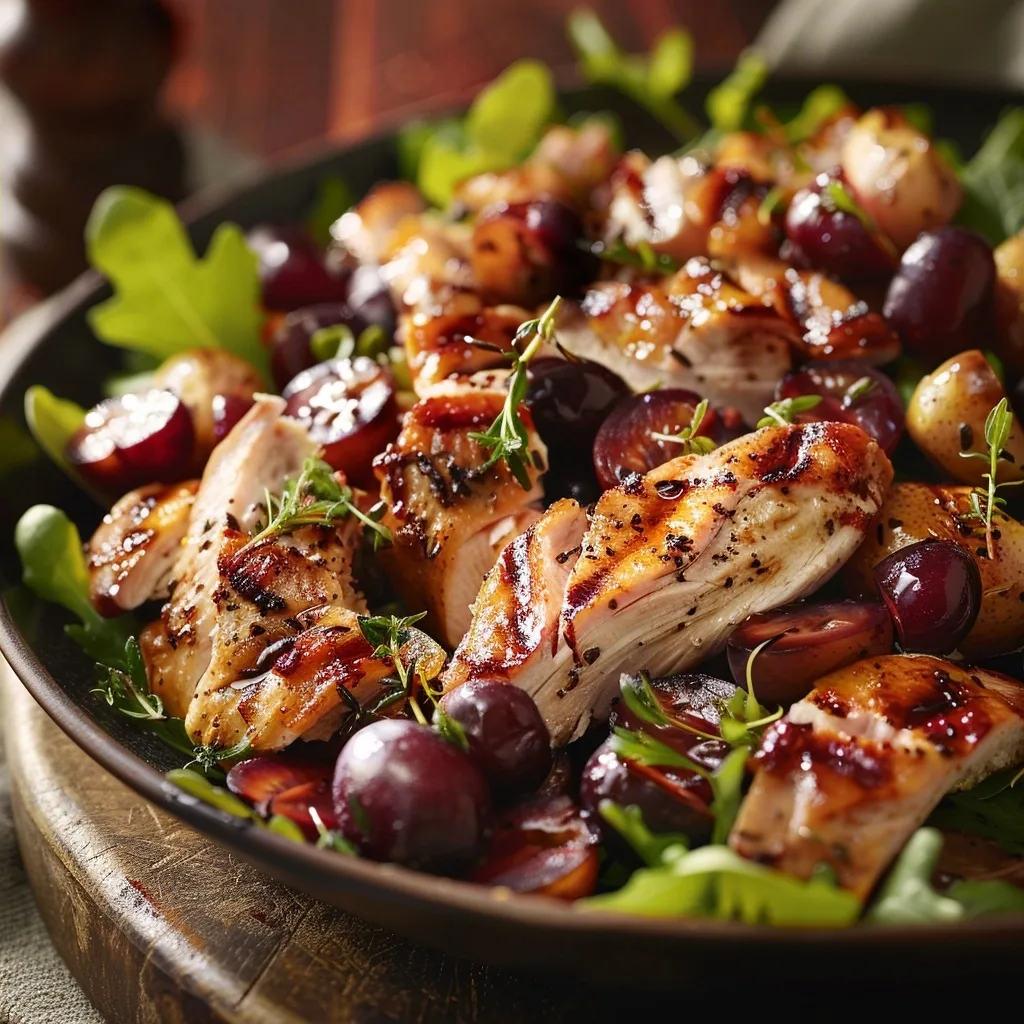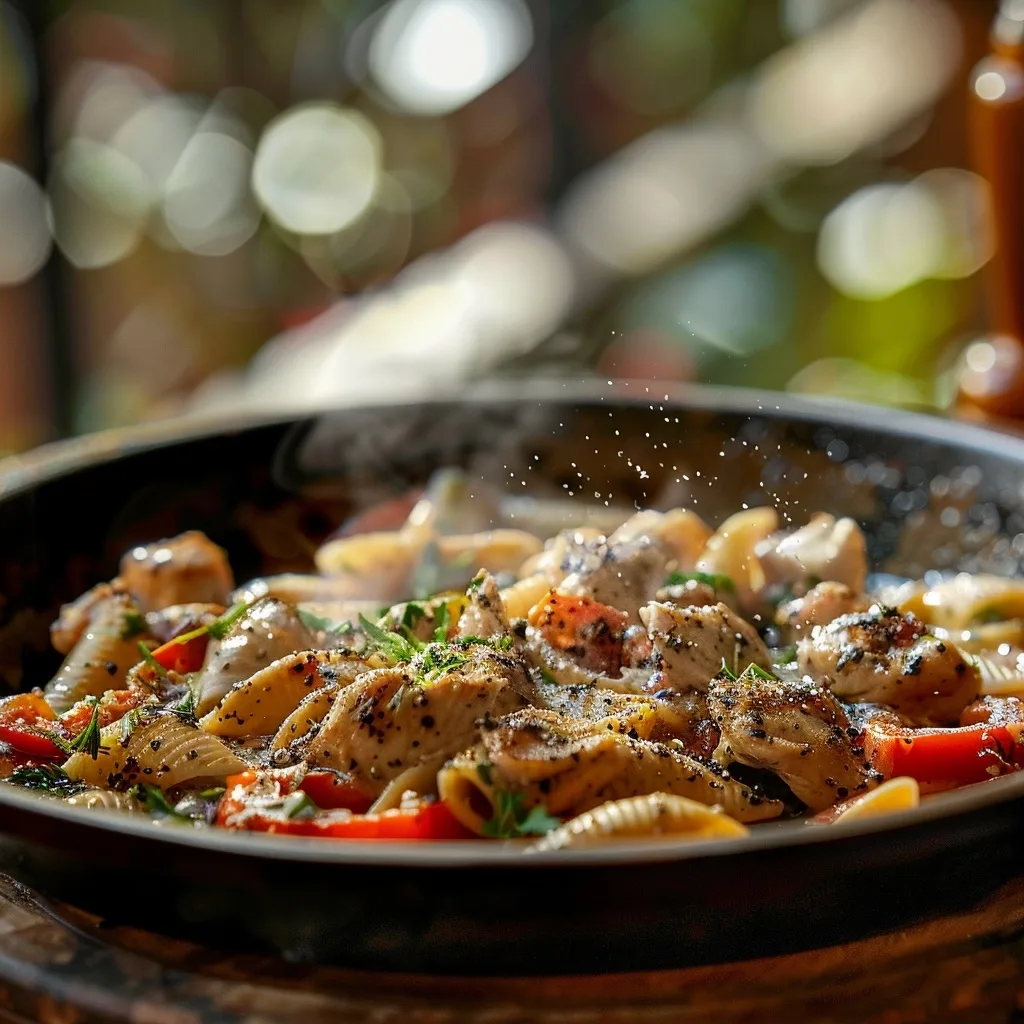

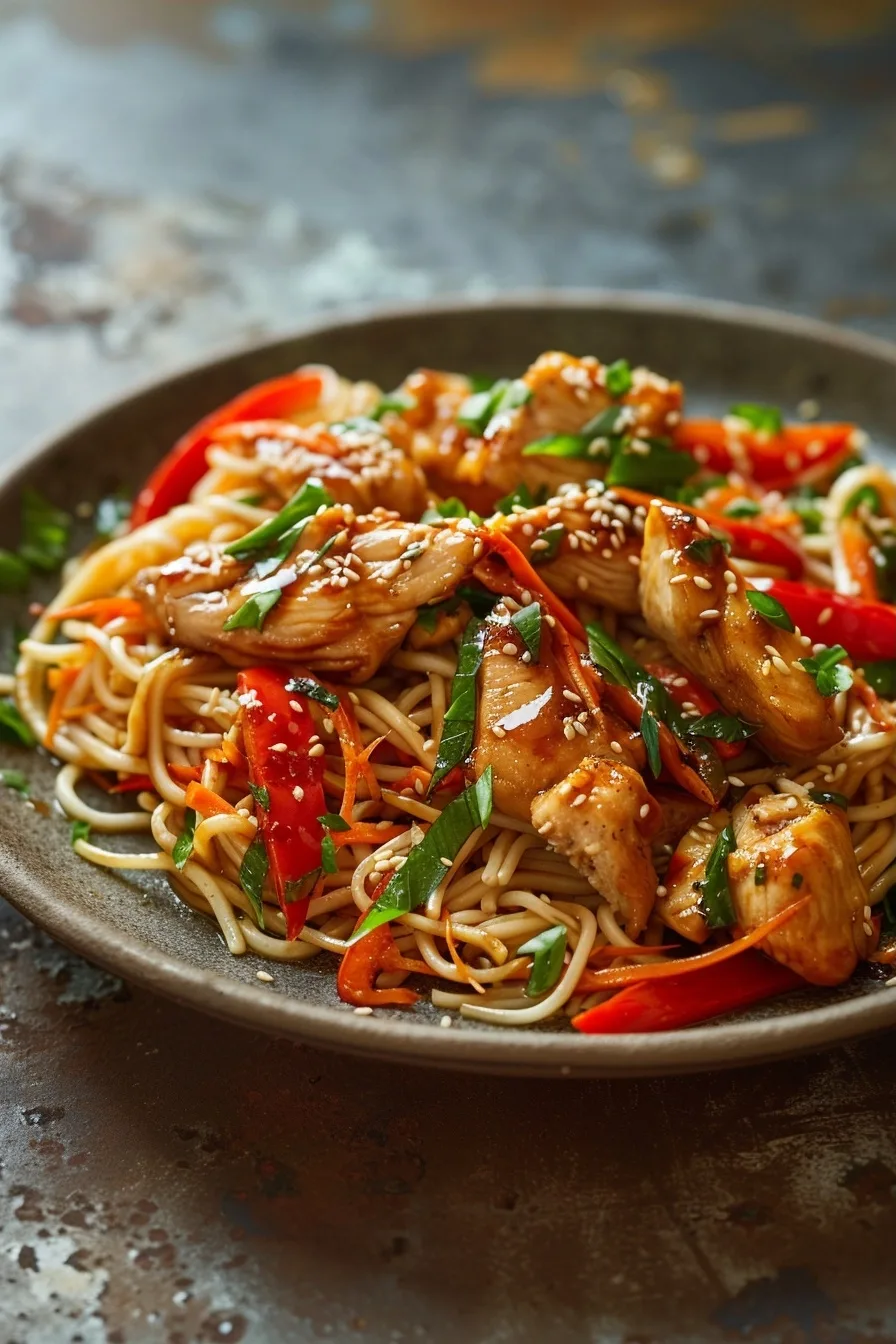
Tasty Chicken Teriyaki Noodles represent the peak of quick, high-impact weeknight cooking by marrying succulent, seared protein with elastic, sauce-integrated carbohydrates. This professional-grade method focuses on maintaining structural integrity in your aromatics while building a complex, umami-rich glaze entirely from high-quality pantry staples. We avoid all restricted ingredients, ensuring a clean, safe, and robust flavor profile suitable for any home kitchen setting.
| Prep Time | Cook Time | Total Time | Servings | Difficulty | Cuisine |
|---|---|---|---|---|---|
| 15 mins | 15 mins | 30 mins | 4 | Easy | Asian-Inspired Fusion |
Why This Recipe Works
I prioritize the Maillard reaction when searing the chicken breast, which creates a complex brown crust that serves as the foundation for the entire dish. By keeping the heat high and the pan from becoming overcrowded, you ensure the chicken browns rather than steams, locking in the natural moisture of the breast meat before any sauce is introduced.
The sauce chemistry relies on balanced acidity and sweetness to mimic the traditional profiles typically achieved with fermented products, without any forbidden additives. Using a high-quality, reduced-sodium soy sauce profile combined with a calculated splash of rice vinegar provides that necessary brightness that balances the salt, ensuring every bite of the noodle maintains a clean, savory finish on the palate.
My method for the noodles involves pulling them from the boiling water roughly thirty seconds before they reach full al dente tenderness. The final sauté phase allows the starches on the exterior of the noodles to gelatinize with the teriyaki glaze, creating a cohesive, velvety mouthfeel that clings to every strand rather than sliding off into the bottom of the bowl.
Ingredients
| Ingredient | Quantity | Notes |
|---|---|---|
| Chicken Breast | 1.5 lbs (680g) | Cubed into 1 inch pieces |
| Ramen Noodles | 8 oz (225g) | Dried or fresh, discard seasoning packets |
| Teriyaki Sauce | 1/2 cup (120ml) | Ensure shelf-stable, no wine content |
| Bell Peppers | 1 cup (150g) | Sliced thin, mix colors for visual contrast |
| Neutral Oil | 2 tbsp | Grapeseed or avocado for high smoke point |
| Green Onions | 3 stalks | Garnish, finely sliced |
Step-by-Step Instructions
Prep and Cooking Phases
- Heat one tablespoon of neutral oil in a large heavy-bottomed skillet or wok over medium-high heat.
- Sear the cubed chicken breast until golden brown on all sides and the internal temperature reaches 165 degrees Fahrenheit as verified by an official food thermometer.
- Remove the chicken to a side plate to prevent overcooking while you manage the vegetables.
- Add the sliced bell peppers to the hot pan, sautéing for two to three minutes until they soften but retain a crisp bite.
- Boil a separate pot of water and cook the ramen noodles according to package instructions, stopping thirty seconds before they are fully cooked.
- Drain the noodles thoroughly, removing excess surface starch that can lead to a gummy texture.
- Combine the chicken, peppers, and noodles in the pan, pouring the teriyaki sauce over the mixture immediately.
- Toss the ingredients using long tongs for sixty seconds, allowing the sauce to reduce slightly and coat the noodles completely.
- Transfer to serving bowls and garnish with freshly sliced green onions before immediate consumption.
Chef Tips for Perfect Results
- Always pat the cubed chicken dry with paper towels before searing to maximize the rate of surface dehydration and browning.
- Use a wider skillet to ensure the chicken layers do not overlap, which prevents steaming and optimizes temperature stability.
- Keep a small amount of starchy pasta water on standby if the sauce reduces too quickly and becomes overly sticky.
- Verify protein doneness using a digital thermometer rather than visual guesswork for consistent food safety results.
- Prepare all measured components in advance, as the high-heat sauté process occurs too quickly for mid-cooking prep.
Common Mistakes to Avoid
Overcooking the noodles before adding them to the sauce is the most frequent technical error in home kitchens. Once combined with the hot sauce, carry-over heat will continue to soften the pasta; if it is already perfectly soft, it will turn into an unappealing, mushy consistency.
Failing to remove the chicken while the vegetables sauté often leads to dry, chalky protein pieces. A well-seasoned chicken breast loses its structural integrity quickly when exposed to sustained dry heat, so pulling it from the pan maintains the desired texture.
Adding cold sauce to a cold pan before the protein is ready creates a thin, watery broth instead of a thick, glossy glaze. The sauce must hit a hot pan to evaporate its water content, which concentrates the seasoning and creates the desired viscosity for the dish.
Variations and Substitutions
| Ingredient | Substitution | Impact on Flavor/Texture |
|---|---|---|
| Bell Peppers | Broccoli Florets | Adds crunch and absorbs more sauce |
| Chicken Breast | Chicken Thighs | Increases fat content and perceived juiciness |
| Ramen Noodles | Udon Noodles | Provides a thicker, more substantial chew |
Serving Suggestions and Pairings
This dish performs exceptionally well when served alongside a crisp, cold cucumber salad dressed with sesame oil and black sesame seeds. For a complete experience, consider a chilled jasmine tea or an infused citrus-ginger sparkling water to cleanse the palate between bites of the savory, concentrated glaze.
Storage and Reheating
| Method | Duration | Reheating Directions |
|---|---|---|
| Refrigeration | 2-3 Days | Microwave in 30-second bursts until steaming |
| Freezing | Not Recommended | Texture of noodles degrades significantly when thawed |
Nutritional Information (Approximate values)
| Nutrient | Amount per Serving |
|---|---|
| Calories | 420 kcal |
| Protein | 32g |
| Fat | 12g |
| Carbohydrates | 48g |
Frequently Asked Questions
Can I make this dish ahead of time for meal prep?
You may prepare the chicken and sauce separately, but the noodles should be boiled fresh for the best texture. Combining hot noodles with the sauce immediately before serving prevents the pasta from soaking up too much moisture and becoming soft.
How do I know when the sauce is finished reducing?
The sauce is ready when it coats the back of a spoon consistently and produces large, slow-moving bubbles in the pan. Watch the color darken slightly, indicating that the sugars in the sauce are reaching the ideal caramelization point.
My noodles are sticking together in the pan, what happened?
Sticking occurs when starches are not properly rinsed or when there is insufficient liquid during the final toss. Ensure your pan remains at medium-high heat and add a tablespoon of water or extra sauce to loosen the starch bonds.
What is the best type of pan to use for this recipe?
A seasoned carbon steel wok or a large stainless-steel skillet provides the best heat distribution for this specific technique. These materials respond rapidly to temperature changes, allowing for the quick sautéing required for peppers and chicken.
Is there a way to add heat without using prohibited spices?
Freshly shaved ginger or thinly sliced serrano peppers introduce a clean, sharp heat that complements the sweetness of the teriyaki. These ingredients remain well within the clean eating parameters while adding necessary sensory complexity.
This recipe transforms simple ingredients into a high-octane meal that respects the science of heat and flavor integration. By mastering the sequence of searing the chicken and tempering the noodles, you ensure a perfect balance of texture and density. Every forkful offers a precise collision of tender meat, crisp vegetables, and a signature, sticky glaze. Enjoy the professional satisfaction that comes from creating this dish in your own home kitchen with confidence and culinary precision.