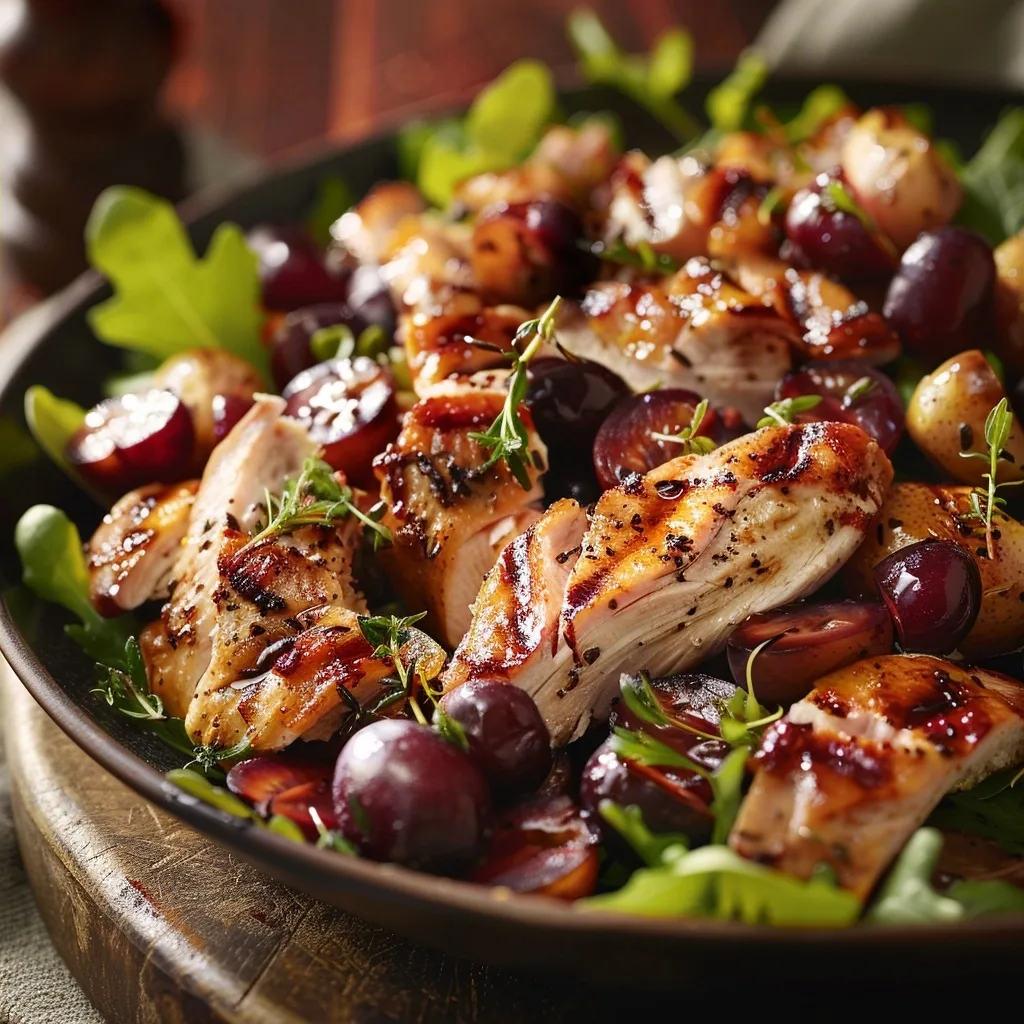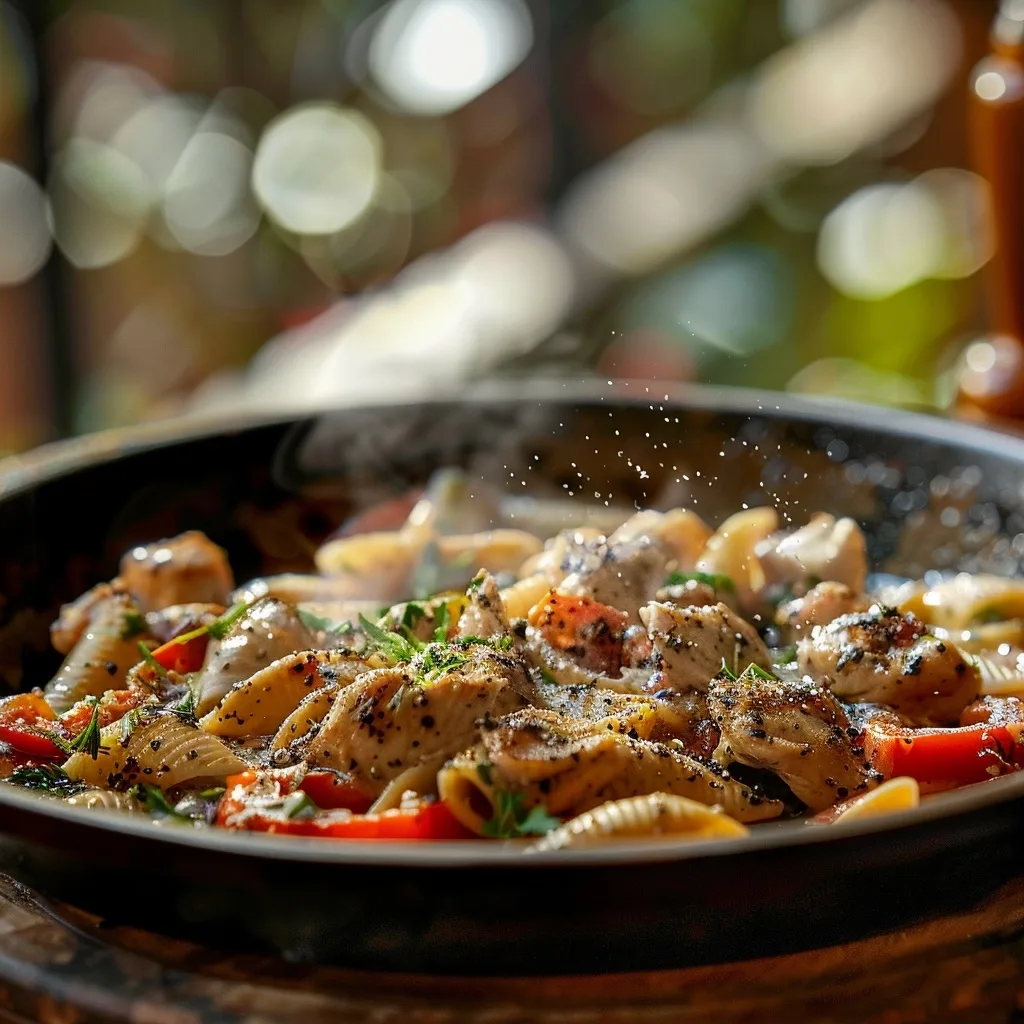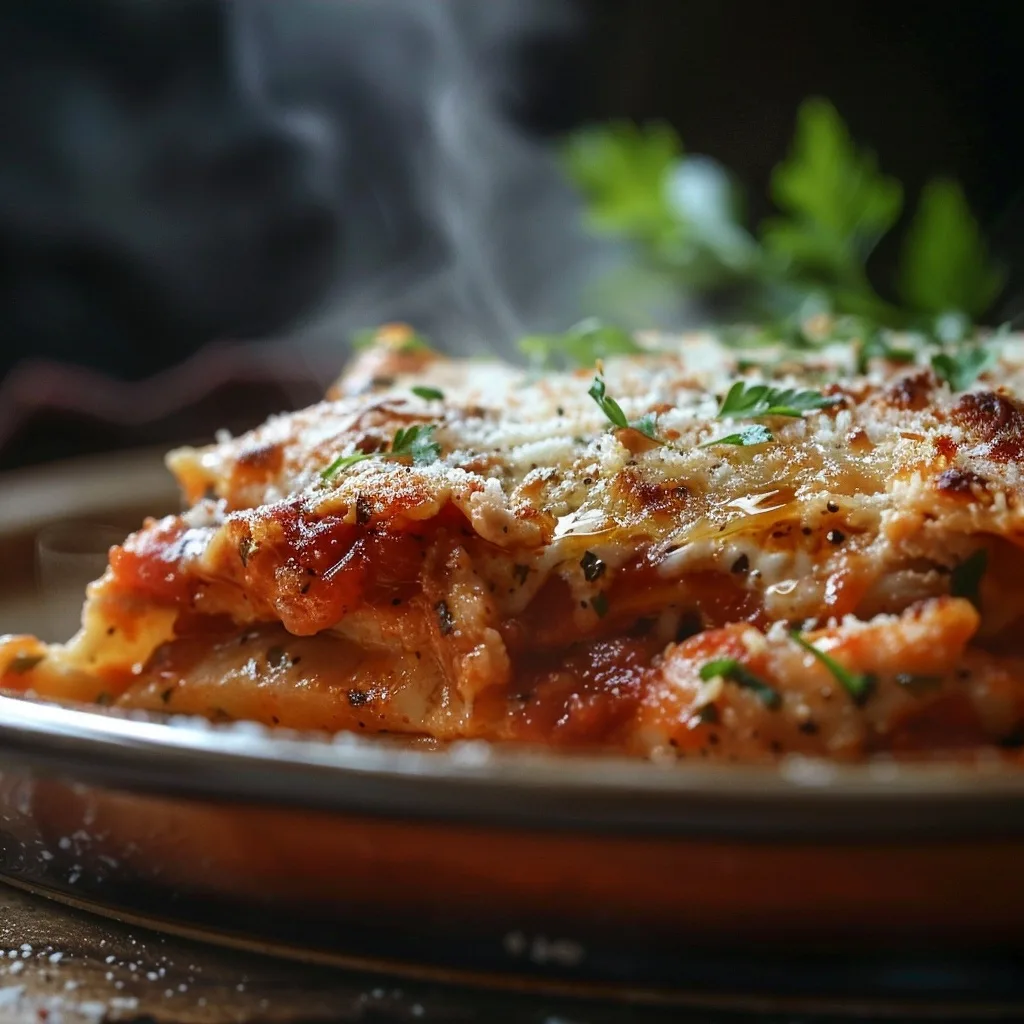

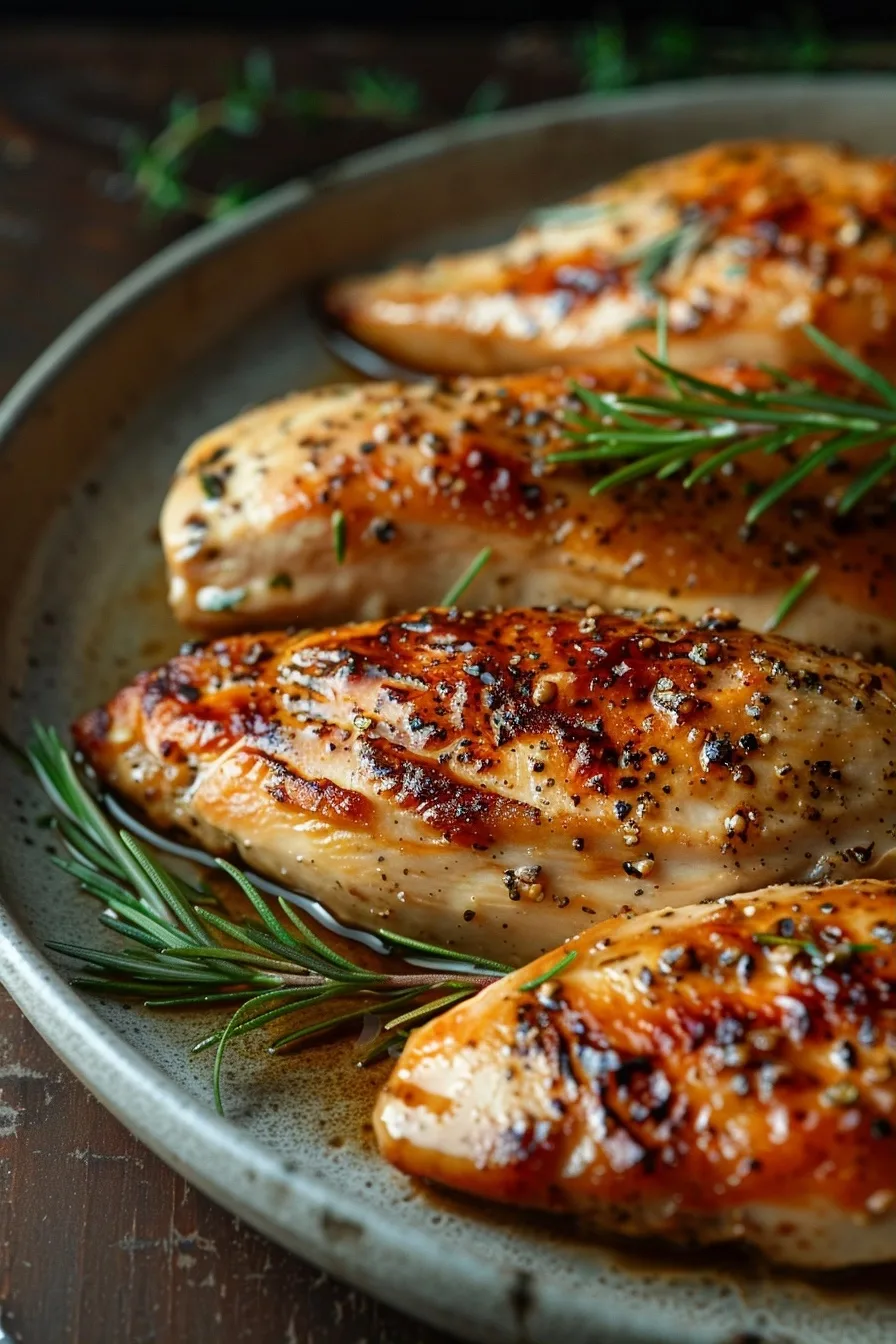
Melt in your mouth chicken, prepared by coating chicken breasts in a savory parmesan-mayo mixture, delivers a tender, juicy protein source for any weeknight dinner. This technique relies on an insulating crust that locks in natural juices while keeping the exterior golden and flavorful. By choosing high-quality poultry and adhering to precise thermodynamic variables, you create a home-cooked meal that defies the common reputation of dry, tough baked poultry.
| Prep Time | Cook Time | Total Time | Servings | Difficulty | Cuisine |
|---|---|---|---|---|---|
| 10 minutes | 25-30 minutes | 40 minutes | 4 | Easy | American |
Why This Recipe Works
The culinary secret behind this dish lies in the protective barrier created by the mayonnaise and parmesan mixture. Mayonnaise is a stable emulsion of oil, egg yolks, and vinegar, which acts as a fantastic heat insulator for the chicken breast. As the oven temperature reaches 375°F, this coating prevents the surface of the meat from dehydrating, essentially steaming the chicken in its own juices while the parmesan achieves a gentle crust.
From a food science perspective, chicken breast is lean and prone to moisture loss when exposed to direct dry heat for extended periods. By applying the fat-rich coating, you modify the rate of protein denaturation. This allows the center of the breast to reach the safe internal temperature of 165°F without the outer fibers turning stringy or chalky, resulting in a tender texture that lives up to the name.
Furthermore, the Maillard reaction occurs on the surface as the parmesan cheese browns, providing a savory depth that balances the mild, creamy base of the mayonnaise. This method requires no complex techniques or specialized kitchen equipment, making it a reliable solution for consistent, high-quality results. Understanding these heat transfer dynamics simplifies the process of achieving restaurant-grade poultry from your home oven.
Ingredients
| Ingredient | Quantity | Notes |
|---|---|---|
| Chicken Breasts | 1.5 lbs (680g) | Boneless, skinless |
| Mayonnaise | 1/2 cup (120ml) | Full-fat, avoid salad dressing |
| Parmesan Cheese | 1/2 cup (50g) | Freshly grated for best melting |
| Garlic Powder | 1/2 tsp (1.5g) | High-quality pantry staple |
| Paprika | 1/4 tsp (0.5g) | Provides color and subtle earthiness |
Step-by-Step Instructions
Preparation Phase
- Preheat your oven to 375°F (190°C) to ensure an even cooking environment from the moment you place the tray inside.
- Pat each chicken breast completely dry with paper towels to ensure the coating adheres directly to the meat surface.
Coating and Baking
- Whisk the mayonnaise, parmesan cheese, garlic powder, and paprika in a medium mixing bowl until the texture is uniform.
- Arrange the chicken breasts on a rimmed baking sheet lined with parchment paper for easy cleanup.
- Spread a generous, even layer of the mayo mixture over the top of each breast, ensuring complete coverage.
- Bake the chicken in the center rack for 25 to 30 minutes, or until the internal temperature reaches 165°F (74°C) as measured by a meat thermometer.
Chef Tips for Perfect Results
- Always use a calibrated digital thermometer to confirm doneness, as oven calibration varies widely in residential kitchens.
- Grate your own parmesan cheese; pre-shredded varieties contain anti-caking agents that hinder the smooth melting required for the crust.
- Let the chicken rest for five minutes after removing it from the oven to allow muscle fibers to reabsorb juices.
- Do not skimp on the mayonnaise, as it serves as the essential lipid barrier preventing moisture evaporation during the baking process.
- If the tops are not sufficiently browned, use a broiler for the final 60 seconds, but watch closely to prevent the cheese from burning.
Common Mistakes to Avoid
- Overcrowding the baking sheet: Keep at least an inch between each piece of chicken to allow proper air circulation.
- Ignoring the resting time: Cutting into the chicken immediately causes internal juices to spill out, resulting in a drier overall product.
- Under-seasoning: While the parmesan adds salt, check if your specific mayonnaise brand requires an extra pinch of kosher salt to enhance the flavor profile.
- Using frozen chicken: Ensure the chicken is completely thawed and brought to room temperature before baking to prevent uneven cooking.
Variations and Substitutions
| Ingredient | Substitution | Impact |
|---|---|---|
| Garlic Powder | Onion Powder | Sweet, savory foundation |
| Paprika | Smoked Paprika | Introduces a deeper, woody aroma |
| Mayonnaise | Greek Yogurt | Higher protein but less fat (may brown faster) |
Serving Suggestions and Pairings
Serve this dish alongside roasted root vegetables or a light arugula salad dressed with lemon vinaigrette to balance the richness of the parmesan crust. For a more complete meal, pair with garlic-infused quinoa or steamed asparagus. A sparkling water with muddled fresh berries serves as a refreshing, palate-cleansing beverage choice for this meal.
Storage and Reheating
| Method | Duration | Instructions |
|---|---|---|
| Refrigerator | 3-4 days | Store in an airtight container |
| Reheating | N/A | Use a toaster oven at 300°F to retain the crust texture |
Nutritional Information
| Nutrient | Approximate Values |
|---|---|
| Protein | 32g |
| Fat | 18g |
| Carbohydrates | 2g |
| Sodium | 450mg |
Frequently Asked Questions
Can I use chicken thighs instead of breasts?
Yes, chicken thighs work well, but you must adjust the cooking time as they have a higher fat content and take longer to reach the desired internal temperature.
How do I know when it is perfectly cooked?
Use a meat thermometer inserted into the thickest part of the chicken, which must register at least 165°F (74°C) for food safety.
Can I freeze the chicken after it is baked?
Freezing after baking is possible, though the texture of the parmesan crust may soften during the thawing process.
What is the benefit of the mayonnaise coating?
The mayonnaise acts as a fat-based moisture barrier that protects the delicate chicken protein from drying out under high heat.
Should I wash the chicken before baking?
Never wash raw chicken as it spreads bacteria to your sink and countertops; simply pat the surface dry with paper towels.
Conclusion
Mastering this melt in your mouth chicken recipe provides a reliable foundation for quick, delicious dinners that require minimal effort. By leveraging basic scientific principles of fat insulation and heat management, you produce a dish that is consistently moist and flavorful. Enjoy the satisfying combination of the creamy, savory crust and the perfectly cooked poultry. This simple technique is sure to become a staple in your regular cooking rotation, offering a professional result with accessible, high-quality ingredients.