
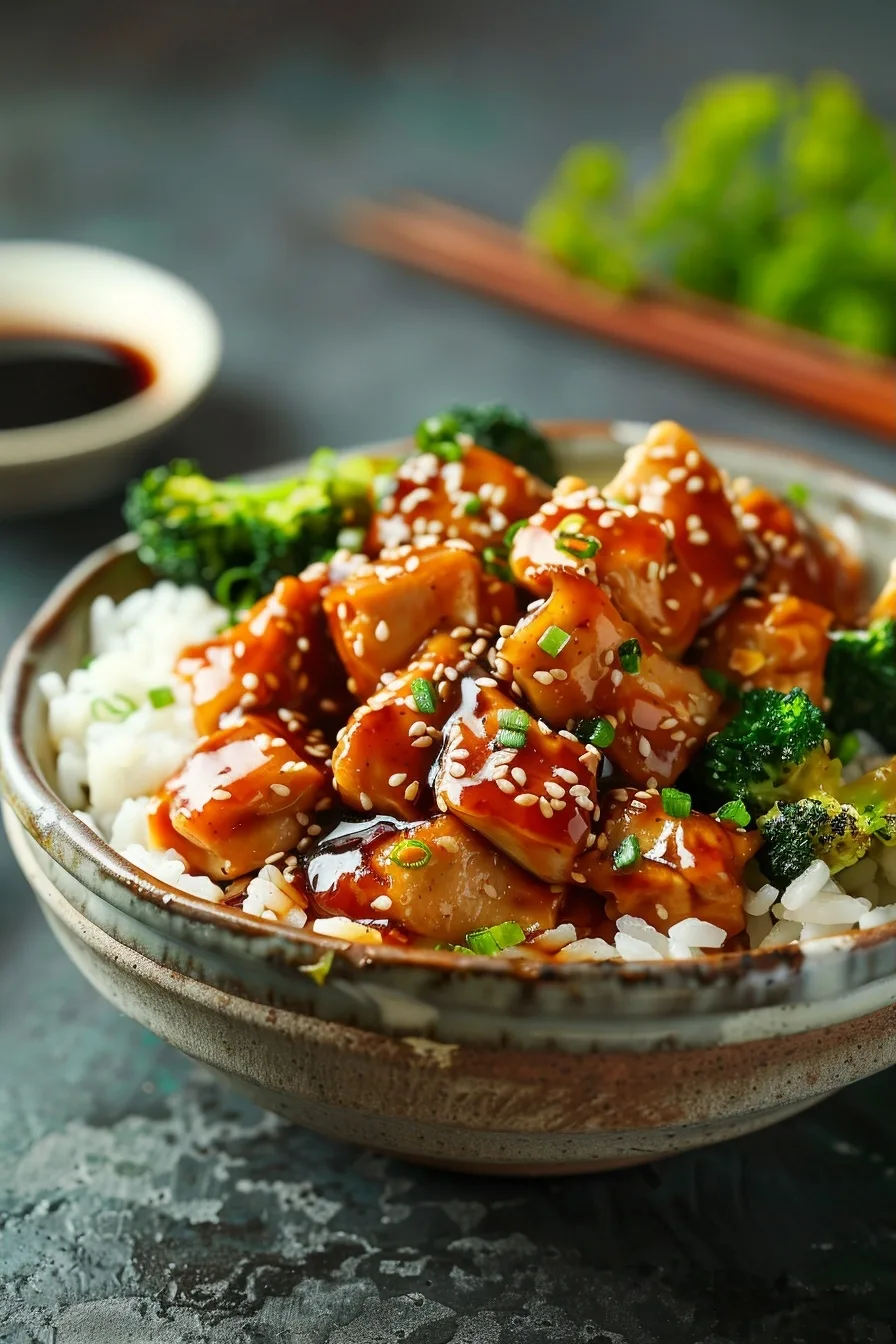
Juicy teriyaki chicken with broccoli and rice bowls provide a balanced, high-protein meal featuring tender poultry glazed in a savory, umami-rich sauce. This combination delivers distinct textures and balanced nutrition for a reliable weeknight dinner option that satisfies cravings for restaurant-quality Asian-inspired cuisine. Focusing on heat control and ingredient quality ensures the chicken stays succulent while the broccoli maintains a crisp-tender mouthfeel.
Why This Recipe Works
The secret to this dish lies in the Maillard reaction, which is the chemical interaction between amino acids and reducing sugars that occurs during high-heat searing. By cubing the chicken breast into uniform pieces, I ensure each morsel develops a golden-brown crust without overcooking the delicate center. This technique locks in natural juices while creating a textural contrast against the slick, glossy sauce application.
I utilize a specific approach to the broccoli by blanching it briefly or adding it to the pan with a splash of water to steam-fry it. This method keeps the florets vibrant green and crisp, avoiding the mushy texture often associated with boiling vegetables into submission. Maintaining the integrity of the broccoli’s cellular structure provides a necessary crunch that balances the savory, smooth nature of the teriyaki glaze.
The science of the glaze is equally critical for the final result. I allow the sauce to reduce in the pan during the final thirty seconds of cooking to encourage starch gelatinization. This process thickens the sugars and soy components, causing the sauce to cling to the protein and vegetables rather than pooling at the bottom of the bowl. The result is a consistent, balanced flavor profile in every bite, grounded by the neutral base of steamed jasmine or long-grain white rice.
Ingredients
| Ingredient | Quantity | Notes |
|---|---|---|
| Chicken Breast | 1.5 lbs (680g) | Boneless, skinless, cut into 1-inch cubes |
| Teriyaki Sauce | 1/2 cup (120ml) | Store-bought or homemade (soy sauce, brown sugar, ginger base) |
| Broccoli Florets | 2 cups (approx. 200g) | Fresh, chopped into bite-sized pieces |
| Cooked Rice | 2 cups (400g) | Steamed jasmine or long-grain white rice |
| Avocado Oil | 2 tbsp (30ml) | High smoke point oil for searing |
| Garlic | 2 cloves | Minced for fragrance |
Step-by-Step Instructions
Preparation and Searing
- Pat the cubed chicken completely dry using clean paper towels to ensure effective contact with the stainless steel or cast iron surface.
- Heat a large skillet or wok over medium-high heat until it is hot enough to cause water droplets to dance on the surface.
- Add the avocado oil, then place the chicken into the pan in a single layer, ensuring the pieces do not crowd each other.
- Sear the chicken for 5-6 minutes, turning once to ensure a uniform golden crust on all sides per USDA food safety guidelines for poultry temperatures.
Vegetable and Glazing
- Add the broccoli florets to the skillet along with two tablespoons of water, quickly covering the pan with a lid to trap steam for two minutes.
- Remove the lid and verify the broccoli has become bright green and fork-tender while retaining a slight structural bite.
- Pour in the teriyaki sauce and add the minced garlic, stirring constantly to coat the ingredients evenly.
- Simmer for approximately 60 seconds until the sauce bubbles and thickens into a glossy glaze that coats the back of a spoon.
Plating
- Scoop 1/2 cup of warm, fluffy rice into individual serving bowls to create a stable base.
- Divide the chicken and broccoli mixture evenly on top of the prepared rice.
- Drizzle any remaining sauce from the skillet over each bowl to ensure maximum flavor distribution.
Chef Tips for Perfect Results
- Always use room-temperature chicken to prevent the surface of the pan from cooling rapidly, which impedes the golden-brown sear.
- Use a meat thermometer to ensure the chicken reaches an internal temperature of 165°F (74°C) without crossing into overcooked territory.
- Select a wide-bottomed pan to provide enough surface area for the broccoli and chicken to cook simultaneously without steaming each other.
- Keep the garlic moving once it hits the pan to release its aromatic oils without allowing it to burn or become bitter.
- Season the broccoli with a pinch of sea salt before adding the sauce to enhance its inherent sweetness and balance the saltiness of the soy sauce.
Common Mistakes to Avoid
Crowding the pan is a frequent error that turns a sear into a boil, releasing too much moisture from the chicken and preventing the formation of flavor-packed crust. If the pan looks packed, work in two batches to maintain consistent heat levels. Another mistake is overcooking the sauce, which can cause the sugars to caramelize too far and eventually burn, resulting in an acrid, bitter profile rather than a sweet, savory one.
Variations and Substitutions
| Ingredient | Substitution | Impact |
|---|---|---|
| Chicken Breast | Chicken Thighs | Higher fat content creates a juicier, more tender result |
| Broccoli | Snap Peas | Adds a sweeter crunch and different aesthetic |
| White Rice | Brown Rice | Adds nuttiness, chew, and increased fiber content |
Serving Suggestions and Pairings
These rice bowls pair excellently with a side of pickled cucumber ribbons finished with toasted sesame seeds for acidity. A tall, cold glass of unsweetened iced tea with a squeeze of fresh ginger provides a crisp, refreshing counterbalance to the rich, savory coating of the chicken. Serve these bowls in wide, shallow dishes to allow guests to mix the sauce-soaked rice with the vegetables easily.
Storage and Reheating
| Method | Duration | Technical Instructions |
|---|---|---|
| Refrigerator | 3-4 days | Store in an airtight glass container to prevent flavor absorption from other items |
| Reheating | Stovetop | Reheat on medium heat with a tablespoon of water to reactivate the glaze |
Nutritional Information
Approximate values per serving (based on 4 servings):
| Nutrient | Amount |
| Calories | 420 kcal |
| Protein | 35g |
| Fat | 12g |
| Carbohydrates | 45g |
Frequently Asked Questions
Can I prepare the chicken in advance?
Yes, you can prep the chicken by cubing it and keeping it in the refrigerator for up to 24 hours prior to cooking. Ensure it is stored in a sterile container and remains cold until the exact moment you are ready to sear it in the skillet.
How do I know the chicken is perfectly cooked?
Use a digital instant-read thermometer to check the thickest piece of chicken for an internal temperature of 165°F. Relying on visual cues like white centers can be misleading, as color does not always correlate precisely with safe internal temperatures.
What is the best way to prevent the sauce from being too salty?
If your teriyaki sauce is too concentrated, whisk in a tablespoon of low-sodium chicken or vegetable broth to dilute it. This balances the salinity while maintaining the viscosity needed for a proper glaze.
Can this dish be frozen for later?
I recommend freezing components separately, such as the cooked chicken in its glaze, while freshly preparing the rice to ensure the best texture upon thawing. Frozen rice can become grainy, so fresh rice is always the preferred companion for stored chicken.
How do I add more depth without alcohol?
Use a splash of apple cider vinegar combined with a hint of freshly grated ginger to provide the acidic brightness that mimics traditional culinary sauces. This adds a complex, tangy layer that balances the sweetness of the teriyaki.
Mastering this dish means embracing the balance of heat and time, resulting in a protein-rich meal that is as visually appealing as it is delicious. By focusing on the scientific principles of the sear and the reduction, you can confidently produce a bowl that centers flavor and texture in every single bite. The combination of succulent chicken and crisp vegetables creates an experience that truly delivers on all fronts.