
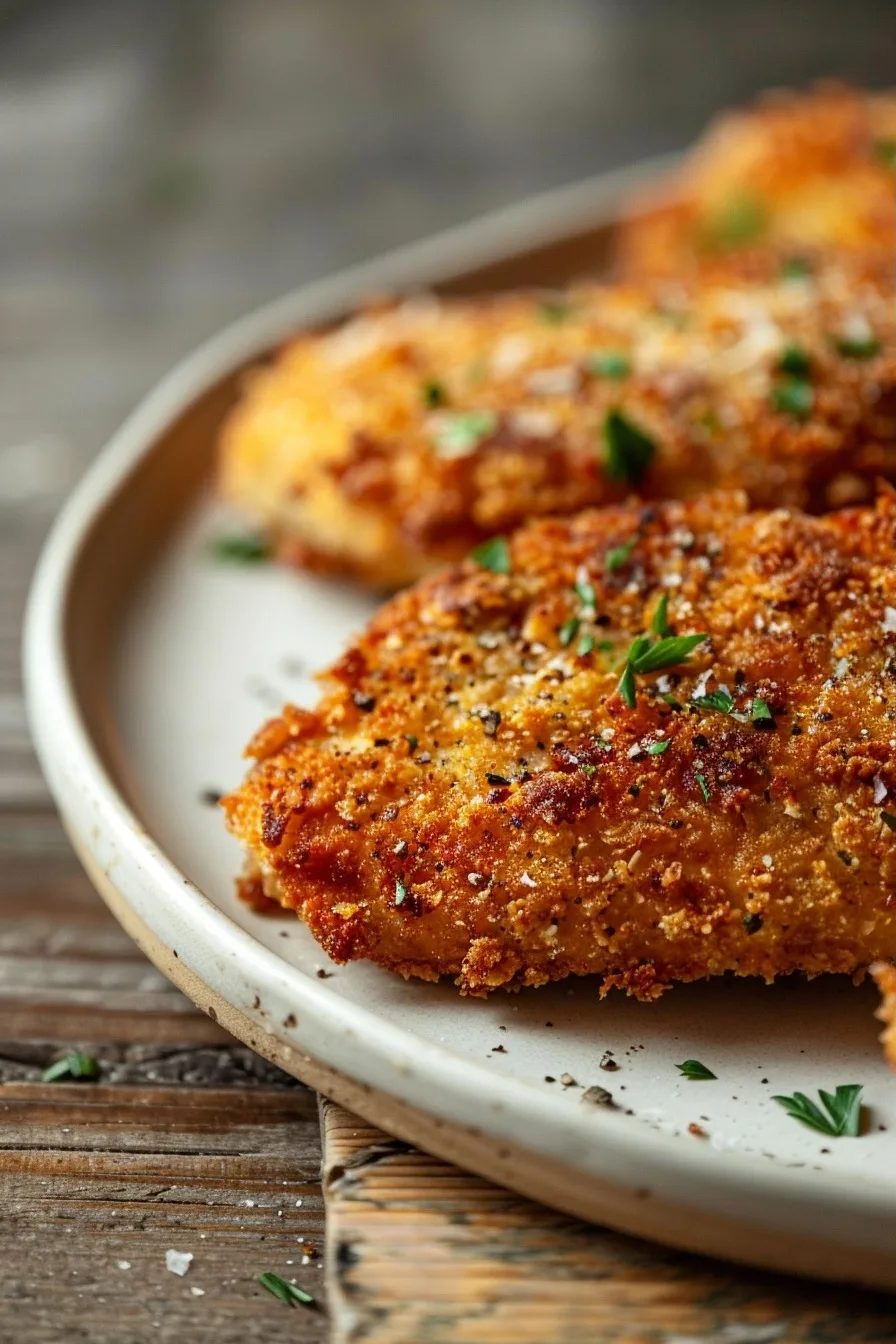
Chicken Romano crispy copycat recipes provide a rapid, professional-grade dinner solution by utilizing a perfectly balanced cheese-and-crumb breading system. This method focuses on rapid protein denaturation and starch gelatinization to ensure a golden, crunchy exterior while maintaining an incredibly moist center within a thirty-minute window. Achieving restaurant quality at home requires focused temperature management and precise timing to avoid overcooking the thin cutlets while ensuring the romano crust bonds securely.
| Prep Time | Cook Time | Total Time | Servings | Difficulty | Cuisine |
|---|---|---|---|---|---|
| 10 minutes | 10 minutes | 20 minutes | 4 | Easy | American-Italian |
Why This Recipe Works
The science of this recipe relies on the moisture-binding properties of the egg wash paired with the high melting point of Romano cheese. When the cheese hits the hot butter, it undergoes a Maillard reaction, creating a deep, savory crust that Panko crumbs alone cannot achieve. Using thin cutlets ensures that the chicken reaches an internal temperature of 165°F (74°C) before the exterior burns, preserving the integrity of the delicate protein fibers.
I personally prefer using a blend of hard, aged Romano with high-quality Panko because the contrasting textures create structural stability. The fat from the butter acts as a heat conductor, uniformly browning the coating while imparting a creamy, rich mouthfeel to the final dish. By seasoning the breading mixture itself, the flavor profile permeates the crust, ensuring every bite provides a consistent experience.
Technical precision is non-negotiable for the perfect crispy finish. I recommend maintaining a consistent medium-high heat to allow the butter to foam without reaching its smoke point. Frequent rotation and monitoring the browning process allow for an even distribution of heat, preventing the uneven spots that often ruin texture in less controlled home cooking environments.
Ingredients
| Ingredient | Quantity | Notes |
|---|---|---|
| Chicken breast cutlets | 1 lb (450g) | Thinly sliced for rapid cooking |
| Romano cheese | 1/2 cup (50g) | Finely grated for better adhesion |
| Panko breadcrumbs | 1/2 cup (60g) | Provides superior crispness |
| Large egg | 1 | Beaten well with a teaspoon of water |
| Butter | 1 tbsp (15g) | Unsalted, provides the base for frying |
| Kosher salt | 1/2 tsp | Adjust to preference |
| Black pepper | 1/4 tsp | Freshly cracked |
Step-by-Step Instructions
Prep
- Pat the chicken cutlets thoroughly dry with paper towels to ensure the egg wash adheres to the protein surface.
- Set up a shallow dredging station with two separate bowls: one for the beaten egg and one containing the mixture of grated Romano and Panko.
- Season the chicken lightly with salt and pepper on both sides to allow the flavors to penetrate the meat.
Searing
- Dip each cutlet into the egg mixture, allowing excess liquid to drip off completely.
- Press the moistened cutlet firmly into the Romano and Panko blend, ensuring complete coverage on both surfaces.
- Heat the butter in a heavy-bottomed skillet over medium-high heat until it begins to shimmer but not brown excessively.
- Place the cutlets in the pan and sear for 3 to 4 minutes per side until the crust achieves a uniform golden-brown hue.
Chef Tips for Perfect Results
- Always use room-temperature chicken to ensure even heat penetration during the short cooking window.
- Refrain from crowding the pan, as this lowers the ambient temperature and leads to steaming rather than frying.
- Grate your own Romano cheese rather than using pre-packaged options to avoid anti-caking agents that hinder proper melting.
- Verify final doneness using USDA recommended internal temperatures for poultry.
- Allow the finished chicken to rest on a wire rack for two minutes before serving to maintain the crust’s integrity.
Common Mistakes to Avoid
- Overcrowding the pan results in low surface temperature, which causes the breading to absorb excess fat instead of becoming crispy.
- Using high heat too early will scorch the cheese crust before the chicken core reaches a safe internal temperature.
- Inadequate drying of the chicken prevents the flour or egg from bonding, often leading to the crust detaching during the flip.
- Failing to press the breading into the chicken prevents a cohesive bond, leading to a loss of crunch during the searing process.
Variations and Substitutions
| Ingredient | Substitution | Impact on Flavor/Texture |
|---|---|---|
| Romano | Parmesan | Milder, slightly less salty flavor |
| Butter | Ghee | Higher smoke point for easier searing |
| Panko | Dried breadcrumbs | Less crispy, more dense texture |
Serving Suggestions and Pairings
This dish shines when paired with a light acidic component to cut through the richness of the cheese. I recommend a side of sautéed baby spinach with a squeeze of fresh lemon or a crisp garden salad dressed in a light vinaigrette. For a more substantial meal, serve alongside roasted asparagus or garlic-infused roasted potatoes. A tall glass of chilled, sparkling lemonade with fresh mint acts as the perfect palate cleanser.
Storage and Reheating
| Method | Duration | Technical Instructions |
|---|---|---|
| Fridge | 2 days | Store in an airtight container |
| Reheating | N/A | Place in a 375°F (190°C) oven for 5 minutes to restore texture |
Nutritional Information (Approximate values)
| Nutrient | Amount per Serving |
|---|---|
| Calories | 320 kcal |
| Protein | 35g |
| Fat | 12g |
| Carbohydrates | 15g |
Frequently Asked Questions
Can I use dried herbs in the breading?
Yes, adding a teaspoon of dried oregano or garlic powder to the breading mix enhances the overall aromatics. Ensure the herbs are finely ground so they do not interrupt the texture of the breading.
How do I know if the chicken is done without a thermometer?
The cutlets should be firm to the touch and the juices should run completely clear when pierced. If the exterior is golden and the chicken produces no resistance when pressed, it is ready.
Can this dish be frozen for later?
Avoid freezing after cooking, as the humidity destroys the crisp texture upon thawing. Instead, bread the chicken and freeze it raw between layers of parchment paper for up to two weeks.
What if my crust is burning too fast?
Lower the heat output immediately and move the chicken to a cooler part of the pan. Butter can burn quickly, so keep the burner heat consistent to prevent rapid darkening.
Is Romano essential for this specific flavor profile?
Romano provides a signature sharpness that distinguishes this dish from standard Parmesan chicken. Substituting it with a different aged cheese will change the flavor, but it will still yield a similar structural result.
Conclusion
Mastering this crispy chicken romano is about balancing heat and technique to produce a reliable, restaurant-worthy entree in half an hour. By maintaining your equipment integrity and monitoring the Maillard reaction on the crust, you ensure a perfect, golden-brown result every single time you cook. Enjoy the satisfying crunch of that savory cheese crust against the tender, juicy interior, making this a staple shift in your weekly dinner rotation. The final product is a clean, flavor-forward dish that satisfies the palate while remaining incredibly efficient for any busy household evening.