
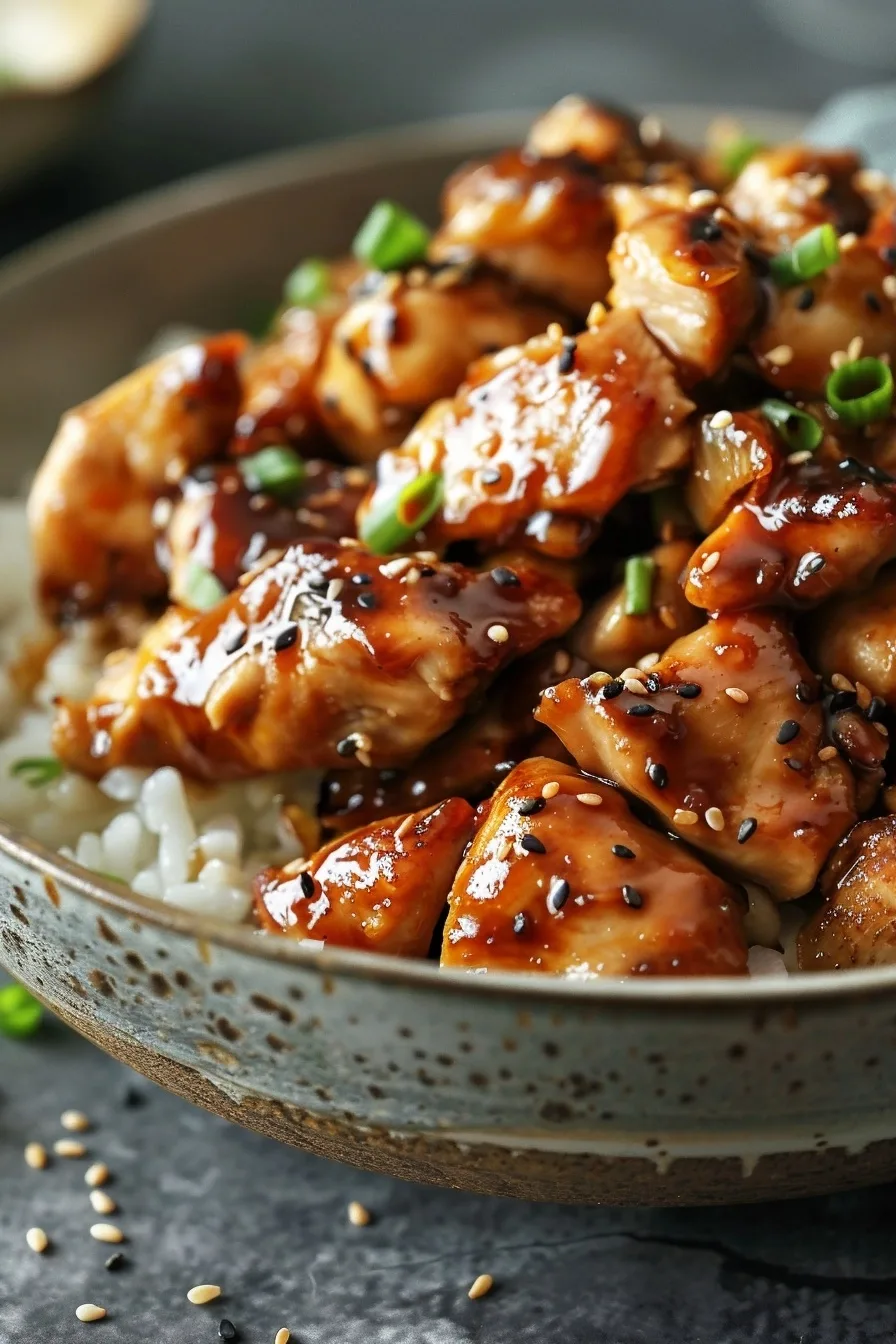
Easy Hawaiian Teriyaki Chicken – Better Than Takeout provides a professional-grade dining experience at home by combining savory umami notes with the vibrant sweetness of tropical pineapple. This dish utilizes rapid reduction techniques to create a sticky, concentrated glaze that clings perfectly to tender protein, ensuring that every bite delivers a balanced, restaurant-quality flavor profile without the need for long marination periods or complex culinary equipment.
| Category | Details |
|---|---|
| Prep Time | 5 minutes |
| Cook Time | 10 minutes |
| Total Time | 15 minutes |
| Servings | 2 servings |
| Difficulty | Beginner |
| Cuisine | Fusion / American |
Why This Recipe Works
This recipe succeeds because it prioritizes the Maillard reaction through controlled heat application, even when using pre-cooked protein. By heating the shredded chicken directly with the sauce, we facilitate a process called moisture exchange, where the protein fibers rehydrate slightly in the sugars and amino acids of the teriyaki, preventing the dry texture often associated with reheated poultry.
The inclusion of pineapple serves a vital biological function beyond flavor. Pineapple contains the enzyme bromelain, which helps break down surface proteins, ensuring the meat retains a tender, succulent quality during the rapid reduction phase. The fruit also provides natural acidity that cuts through the saltiness of the soy base, creating a balanced palate profile.
Final consistency is reached through a focused reduction technique. By boiling the sauce until it reaches a nappe consistency—where it coats the back of a spoon—we concentrate the flavors and create a lacquer effect. This structural integrity ensures the sauce stays on the chicken rather than pooling at the bottom of the rice, providing a consistent textural experience.
Ingredients
| Ingredient | Quantity | Notes |
|---|---|---|
| Shredded Rotisserie Chicken | 2 cups | Remove skin for a cleaner taste |
| Teriyaki Sauce | 1/2 cup | Use a high-quality bottle or scratch-made |
| Canned Pineapple Chunks | 1/2 cup | Drain excess juice to prevent watery sauce |
| Cooked Rice | 2 cups | Jasmine or short-grain works best |
Step-by-Step Instructions
Preparation
- Shred the rotisserie chicken into bite-sized pieces while ensuring all cartilage and skin are removed for an even texture.
- Drain the canned pineapple chunks thoroughly using a fine-mesh strainer to ensure the sauce thickens correctly during heating.
Searing and Reduction
- Place a large non-stick skillet over medium-high heat until the surface reach is approximately 350°F (175°C).
- Add the shredded chicken to the pan and sear for two minutes to introduce a light browning, which adds depth to the overall flavor.
- Pour in the teriyaki sauce and add the pineapple chunks, stirring continuously to coat the proteins evenly.
- Reduce the heat to medium-low and simmer the mixture for 4–6 minutes until the liquid reduces into a sticky, glossy glaze that clings to the chicken.
Plating
- Scoop one cup of warm cooked rice into two separate wide-rimmed bowls.
- Divide the glazed chicken mixture evenly across the rice, ensuring the pineapple chunks are distributed on top for visual appeal.
Chef Tips for Perfect Results
- Use room-temperature chicken to ensure even heating throughout the pan, which prevents the center of the pile from remaining cold while the outside overcooks.
- Choose high-quality, cold-pressed soy sauce bases for the teriyaki component to avoid a metallic aftertaste sometimes found in lower-tier bottled products.
- Maintain a consistent movement with your silicone spatula to ensure the sugars in the teriyaki don’t scorch or burn against the hot pan surface.
- Check the internal temperature of the chicken with a food thermometer to ensure it reaches at least 165°F (74°C) for safe consumption standards.
- Garnish with thinly sliced scallions or sesame seeds immediately before serving to provide a fresh, aromatic contrast to the rich glaze.
Common Mistakes to Avoid
One frequent error is failing to drain the pineapple juice, which adds too much water and prevents the sauce from adhering to the chicken properly. Biochemically, the excess water acts as a diluent that stops the sauce from reaching the necessary syrupy state. Always strain your fruit to maintain the structural integrity of the glaze.
Overcooking the chicken is another risk, as even rotisserie meat can lose its remaining moisture if subjected to high heat for too long. Limit the reduction phase to under seven minutes. If the glaze appears to be evaporating too quickly, lower the heat intensity to prevent protein denaturation from going too far, which would result in stringy fibers.
Variations and Substitutions
| Ingredient | Substitution | Impact on Flavor/Texture |
|---|---|---|
| Rotisserie Chicken | Grilled Chicken Breast | Provides a firmer texture and slightly leaner fat profile |
| Teriyaki Sauce | Soy sauce + Honey + Ginger | Offers a more fresh, customized sugar profile |
| Pineapple | Fresh Diced Mango | Adds a more delicate, floral sweetness to the glaze |
Serving Suggestions and Pairings
Serve this dish alongside steamed bok choy or snap peas tossed in sesame oil to add a necessary vegetal crunch. For a gourmet non-alcoholic beverage pairing, offer a chilled sparkling water infused with fresh lime wheels and cucumber slices, which cleanses the palate after the rich, umami-heavy glaze. This meal functions perfectly as a swift weeknight family dinner or a prep-ahead lunch intended for the work week.
Storage and Reheating
| Method | Duration | Technical Instructions |
|---|---|---|
| Refrigerator | 3-4 Days | Store in an airtight glass container to prevent flavor absorption from other foods. |
| Reheating | 3 Minutes | Use a microwave-safe dish with a loose cover to retain steam and prevent the chicken from drying out. |
Nutritional Information
Approximate values per serving (based on standard ingredients):
| Nutrient | Amount |
|---|---|
| Calories | 420 kcal |
| Protein | 28g |
| Carbohydrates | 55g |
| Fat | 8g |
Frequently Asked Questions
Can I use frozen shredded chicken for this recipe?
Frozen chicken works fine if it is fully thawed in the refrigerator for 24 hours before cooking. Using frozen meat directly in the pan will release too much water and ruin the consistency of your glaze.
How do I know when the sauce is finished reducing?
The sauce is finished when drawing a spatula through the center of the pan creates a clean line that does not immediately fill with liquid. This indicates the sugar content has concentrated sufficiently to coat the chicken.
Can I freeze the cooked chicken?
You can freeze the cooked mixture for up to one month in a vacuum-sealed bag. Thaw it completely in the refrigerator before reheating in a skillet with a tablespoon of water to loosen the glaze.
Why does the chicken taste dry even with sauce?
Dryness often occurs if the rotisserie chicken was stored too long before heating or if the heat was too high during the reduction phase. Keep the heat at medium-low to maintain the natural moisture of the poultry fibers.
Can I substitute the pineapple?
If you prefer a different profile, diced peaches or nectarines offer similar acidity and sweetness. Ensure they are fresh to maintain the enzyme activity that helps keep the meat tender.
Ultimately, achieving restaurant-level results relies on careful heat management and the proper reduction of your glaze. By respecting the chemical interaction between the chicken, the sugars, and the fruit acidity, you create a harmonious dish that proves simple ingredients, when treated correctly, yield superior results. Enjoy this vibrant, savory, and perfectly sticky meal as a centerpiece for your next quick dinner.