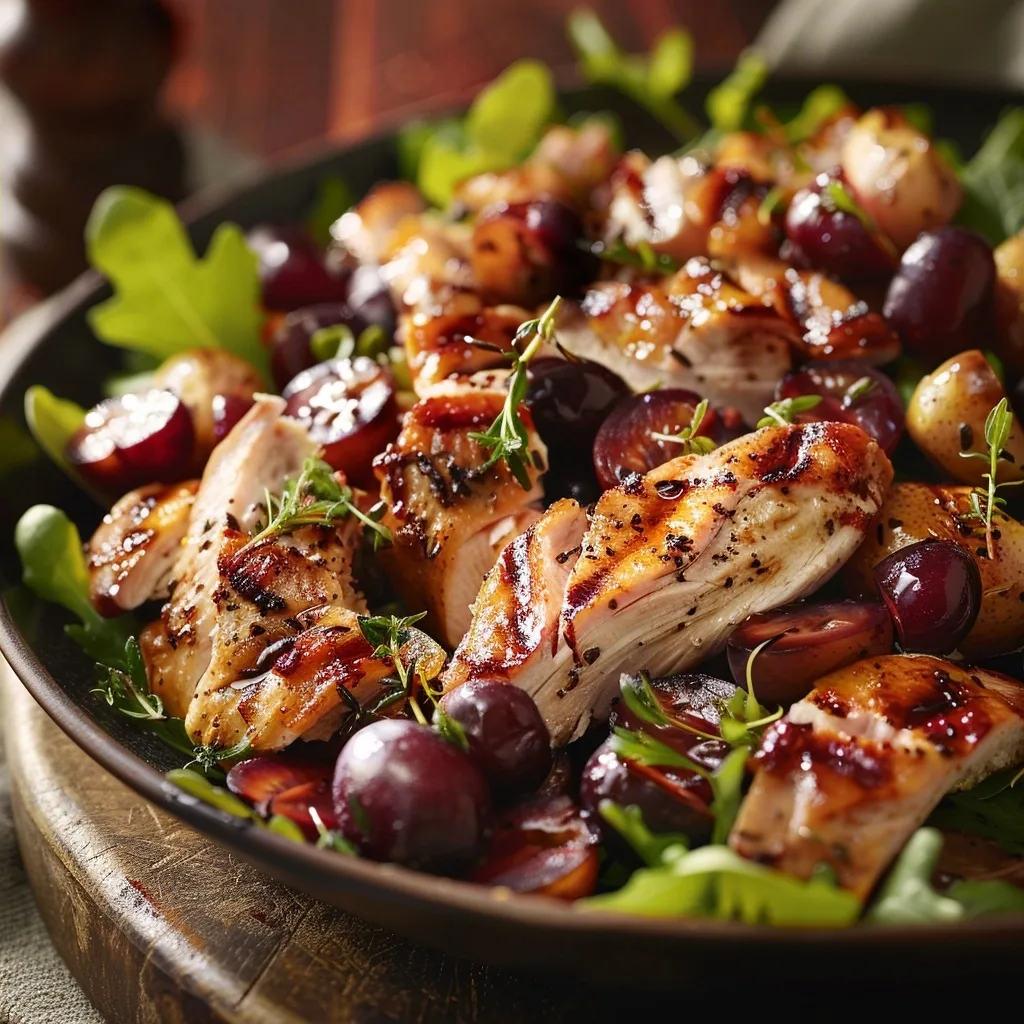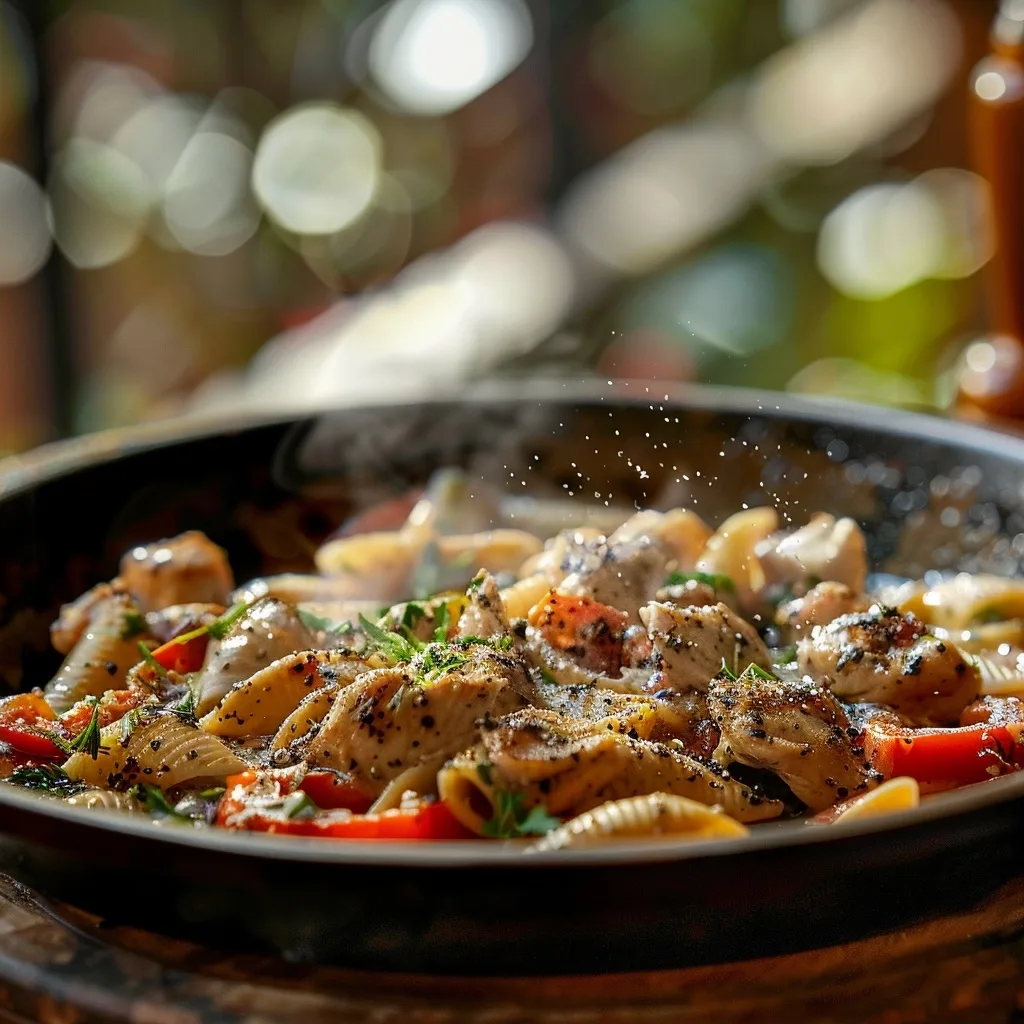

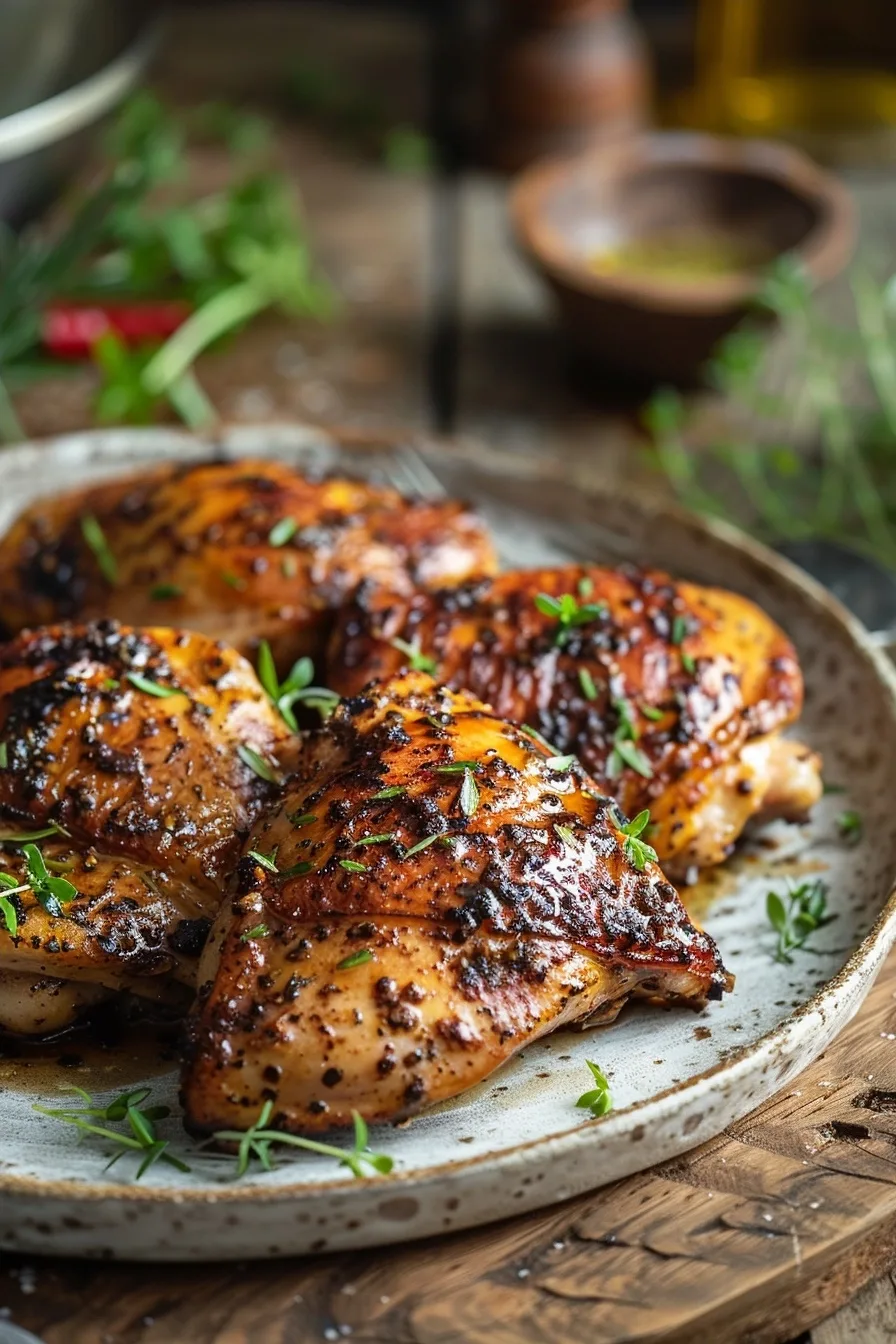
Easy Black Pepper Chicken recipe for dinner delivers a bold, savory experience by balancing high-heat searing with a rich, aromatic sauce. This dish utilizes lean protein and fresh aromatics to create a restaurant-quality meal in under thirty minutes. By controlling the starch gelatinization, you achieve a glossy, coating glaze that adheres perfectly to the tender chicken pieces, making it a cornerstone for busy home cooks who refuse to sacrifice flavor for efficiency.
| Metric | Details |
|---|---|
| Prep Time | 10 minutes |
| Cook Time | 15 minutes |
| Total Time | 25 minutes |
| Servings | 4 servings |
| Difficulty | Easy |
| Cuisine | Fusion |
Why This Recipe Works
The culinary logic behind this stir-fry centers on the Maillard reaction, which occurs when protein surface amino acids and reducing sugars react under intense heat. By cubing the chicken breast to a uniform one-inch size, I ensure that every piece browns simultaneously without overcooking the center. This creates a crust that seals in moisture while providing a textural contrast to the silky, thickened sauce that develops during the final stage.
My method relies on the dual-action of soy sauce and cornstarch to create a balanced glaze. Soy sauce provides the necessary amino acids for deep umami, while the cornstarch works as a thickening agent. When added to the pan, the starch molecules hydrate and swell, resulting in a viscosity that allows the sauce to cling effectively to the chicken rather than pooling at the bottom of the wok or skillet.
Finally, the use of cracked black pepper is not just for subtle heat but for its volatile aromatic compounds. By introducing the pepper during the final phase of the cook, I retain its essential oil profile, which is quite delicate compared to the robust profile of the protein. The gentle simmer allows the heat to bloom these spices, integrating the pungency into the soy-based liquid for a perfectly rounded flavor profile that hits both the front and back of the palate.
Ingredients
| Ingredient | Quantity | Notes |
|---|---|---|
| Chicken Breast | 1.5 lbs | Cubed into 1-inch uniform pieces |
| Black Pepper | 1 tbsp | Freshly cracked for maximum aromatic intensity |
| Soy Sauce | 2 tbsp | Use low-sodium to control salinity |
| Cornstarch | 1 tbsp | Essential for achieving proper glaze viscosity |
| Onion | 1 medium | Sliced into thin strips |
| Vegetable Oil | 2 tbsp | High smoke point oil for clean searing |
| Chicken Broth | 0.5 cup | Used to dilute sauce and deglaze the pan |
Step-by-Step Instructions
Preparation
- Cube the chicken breasts into identical one-inch pieces to ensure even cook times.
- Slice the onion into uniform strips that will soften at the same rate as the chicken.
- Whisk the soy sauce, cornstarch, and chicken broth in a small bowl until completely smooth to create the thickening slurry.
Searing
- Heat a large heavy-bottomed skillet or wok over medium-high heat with one tablespoon of oil.
- Add the cubed chicken to the pan in a single layer to avoid crowding, which would cause the meat to steam rather than sear.
- Sear the chicken until golden brown and the internal temperature reaches 165°F (74°C) as noted by the USDA.
- Remove the chicken from the pan and set aside on a clean plate.
Reduction and Plating
- Add the remaining oil and sliced onions to the hot pan, sautéing until they turn translucent and slightly charred.
- Return the cooked chicken back to the pan, tossing to combine with the onions.
- Pour in the prepared soy sauce and cornstarch mixture while stirring constantly to prevent clumping.
- Add the freshly cracked black pepper and continue to simmer for 60 seconds until the sauce bubbles and reaches a glossy, thick consistency.
Chef Tips for Perfect Results
- Use a cast-iron or stainless steel skillet for the best heat retention during the initial sear.
- Always crack black pepper seconds before adding it to maximize the intensity of piperine and essential oils.
- Avoid overcrowding the pan; if the pieces touch excessively, the temperature drops and slows the browning process.
- Deglaze the pan with a splash of broth before adding the sauce to release the flavorful fond left on the bottom.
- Check the sauce viscosity; if it is too thick, add a tablespoon of broth to adjust the consistency to a pourable glaze.
Common Mistakes to Avoid
- Adding cold chicken to a cold pan results in moisture release and rubbery texture; always ensure the oil is shimmering first.
- Using pre-ground pepper often results in a woody, dusty taste rather than the sharp, fruity heat of fresh peppercorns.
- Whisking the cornstarch directly into the hot pan often causes lumps; always mix it with room temperature broth first.
- Overcooking the chicken breast leads to protein contraction, which squeezes out moisture and leaves the meat dry and fibrous.
Variations and Substitutions
| Original Ingredient | Substitution | Impact |
|---|---|---|
| Chicken Breast | Chicken Thighs | Increased fat content for juicier texture |
| Onion | Shallots | More delicate, sweet sulfur notes |
| Chicken Broth | Mushroom Broth | Deepens earthiness and umami profile |
Serving Suggestions and Pairings
Serve this dish over a bed of steamed jasmine rice to soak up the excess sauce. For a fresher perspective, pair this with blanched baby bok choy drizzled with sesame oil. A chilled glass of ginger-infused sparkling water provides a sharp contrast to the pepper heat, cleansing the palate between each savory bite.
Storage and Reheating
| Method | Duration | Instructions |
|---|---|---|
| Refrigerator | 3 days | Store in an airtight container to prevent dehydration |
| Microwave | – | Reheat on medium power with a splash of water to loosen the glaze |
Nutritional Information (Approximate values)
| Nutrient | Amount per Serving |
|---|---|
| Calories | 280 kcal |
| Protein | 32g |
| Fat | 8g |
| Carbohydrates | 14g |
| Sodium | 450mg |
Frequently Asked Questions
Can I use dried garlic?
I recommend fresh aromatics for better flavor release, but if you must use dried, replace the onion component with a teaspoon of granulated garlic added during the final minute of cooking.
How do I know if the chicken is fully cooked?
The chicken is done when an internal probe thermometer reads 165°F (74°C) at the thickest part of the largest cube.
The sauce is too watery, what happened?
Your pan temperature was likely too low during the thickening stage; ensure the liquid reaches a full boil to activate the cornstarch thickener.
Can I freeze this dish for later?
Freezing is possible for up to one month, though the texture of the chicken may become slightly firmer upon thawing and reheating.
How can I adjust the spiciness?
Modify the heat level by increasing or decreasing the quantity of cracked black pepper according to your personal preference for piquant sensations.
Mastering this dish proves that professional results are achievable through controlled techniques and temperature management. The way the black pepper integrates with the caramelized onions and soy glaze creates a profile that is both grounded and sophisticated. Enjoy this reliable weeknight staple, knowing that each bite reflects precise culinary execution and high-quality processing of standard pantry ingredients.