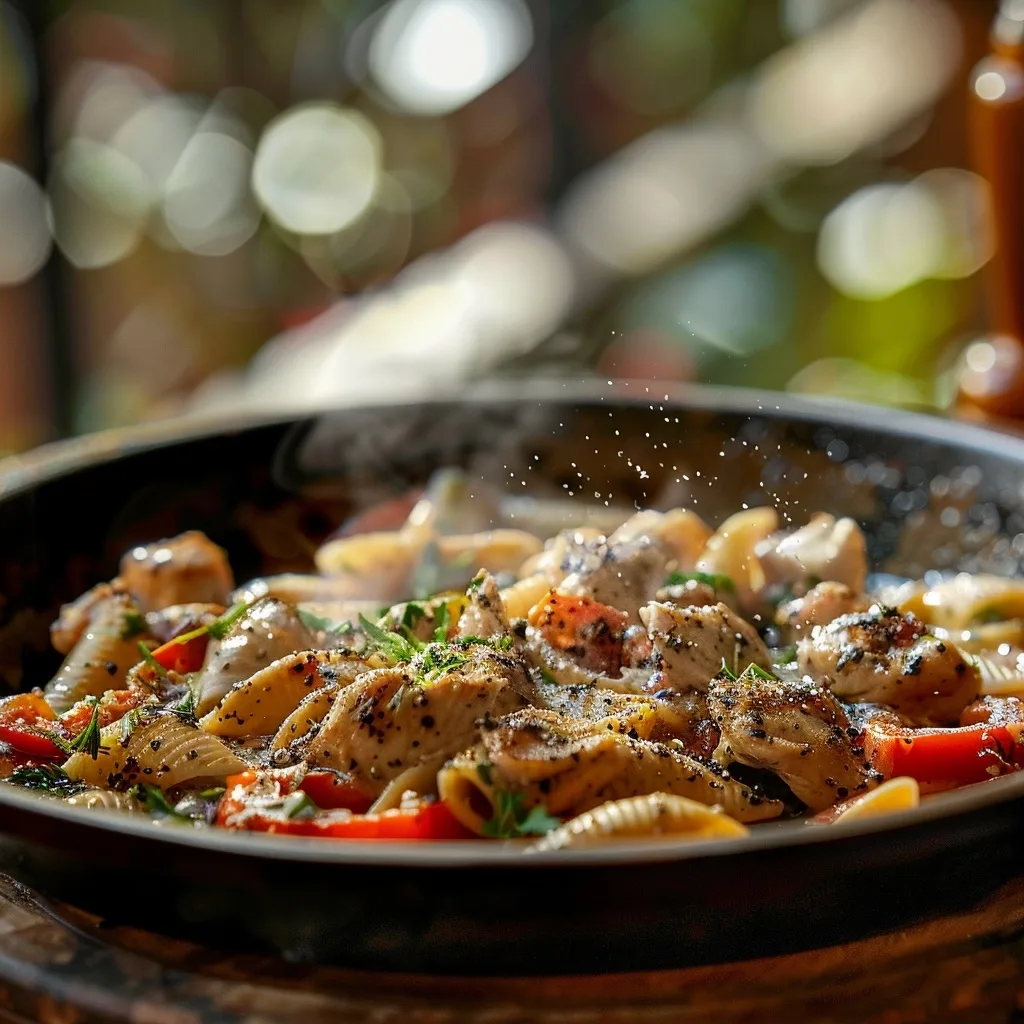

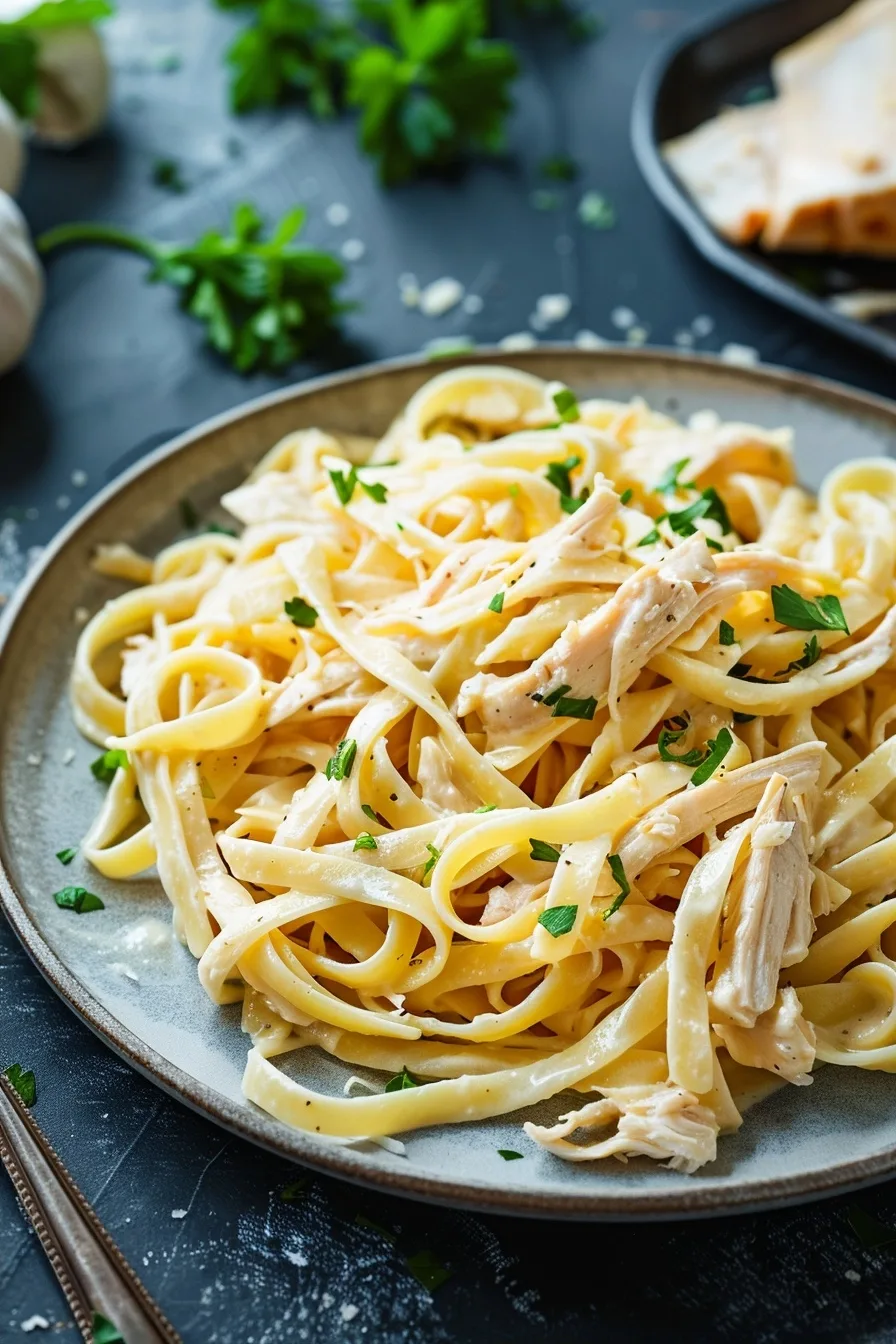
Creamy shredded chicken pasta serves as the ideal weeknight dinner, combining tender poultry with rich, velvety sauce in twenty minutes. This dish utilizes readily available cooked chicken and pantry staples to create a sophisticated, high-protein meal without prolonged stovetop time. Professional techniques ensure the emulsion of cheese and cream remains stable, providing a silky texture that coats every piece of pasta perfectly for maximum satisfaction.
| Prep Time | Cook Time | Total Time | Servings | Difficulty | Cuisine |
|---|---|---|---|---|---|
| 5 min | 15 min | 20 min | 4 | Easy | American |
Why This Recipe Works
The science of this sauce relies on the precise balance of fat and protein. By using heavy cream as the base, we provide enough butterfat to suspend the parmesan cheese, preventing the common clumping often seen with lower-fat dairy alternatives. Heating the liquid slowly allows the proteins to remain supple rather than curdling under high heat.
I choose shredded rotisserie chicken for this method because the meat provides a consistent fiber structure that absorbs the sauce’s flavor. When combined with al dente penne, the internal ridge of the pasta traps the emulsion. This mechanical interaction between the tubular shape and the creamy sauce creates a cohesive mouthfeel that elevates simple ingredients into a professional-grade main course.
Maintaining a gentle simmer during the final assembly prevents the sauce from breaking or separating. Emulsification is a delicate process managed by temperature control. By whisking while incorporating both the cheese and the starch-rich pasta water, I ensure the final consistency remains glossy and smooth rather than oily or disjointed.
Ingredients
| Ingredient | Quantity | Notes |
|---|---|---|
| Shredded Chicken | 2 cups | Rotisserie or poached works best |
| Penne Pasta | 8 oz | Standard durum wheat variety |
| Heavy Cream | 1/2 cup | High fat content is mandatory |
| Parmesan Cheese | 1/4 cup | Freshly grated for better melting |
| Garlic Powder | 1/2 tsp | For consistent, dispersed flavor |
| Pasta Water | 1/4 cup | Reserved for emulsion |
Step-by-Step Instructions
Phase 1: Pasta Preparation
- Boil a large pot of salted water to reach a rolling boil.
- Add the penne pasta and cook according to package directions, aiming for al dente texture.
- Reserve exactly 1/4 cup of the starchy pasta water before draining the rest.
- Set the drained pasta aside while preparing the sauce base.
Phase 2: Sauce Assembly
- Place a large skillet over medium-low heat.
- Add the heavy cream to the skillet and bring to a gentle bubble.
- Stir in the garlic powder to allow the aromatic compounds to bloom in the fat.
- Whisk in the parmesan cheese gradually until the sauce achieves a uniform consistency.
- Fold in the shredded chicken, allowing the poultry to warm through in the dairy base.
- Pour in the reserved pasta water to adjust the viscosity and help the sauce bind.
- Combine the cooked penne with the sauce, tossing gently until every noodle is evenly coated.
Chef Tips for Perfect Results
- Always grate your own parmesan cheese from a wedge, as pre-grated variants contain cellulose that inhibits proper melting.
- Keep the pasta water; the dissolved starches act as a natural thickening agent for the cream.
- Use a wide skillet rather than a deep pot to increase surface area, which aids in controlled evaporation.
- Add the pasta to the skillet just before it reaches peak tenderness, allowing it to finish cooking in the sauce.
- Avoid boiling the cream violently, as this can cause the milk solids to separate from the butterfat.
- For a deeper flavor profile, consider adding a pinch of smoked paprika to mimic a savory, wood-fired essence.
Common Mistakes to Avoid
- Overcooking the chicken results in dry, stringy protein textures that do not soak up the sauce.
- Using cold ingredients directly from the refrigerator can drop the pan temperature too quickly and stall the emulsion.
- Skipping the salt in the pasta water prevents the starch from developing flavor internally, leaving your finished dish tasting flat.
- Adding the cheese while the flame is too high creates rubbery, stringy globules rather than a smooth sauce.
Variations and Substitutions
| Original Ingredient | Substitution | Impact on Flavor/Texture |
|---|---|---|
| Heavy Cream | Half-and-half + cornstarch | Lower fat content; requires thickening |
| Garlic Powder | Fresh minced garlic | Sharper, more pungent aromatic profile |
| Parmesan | Pecorino Romano | Saltier, more complex sharpness |
| Shredded Chicken | Poached Turkey breast | Similar protein structure, slightly leaner |
Serving Suggestions and Pairings
This dish pairs beautifully with a crisp, acidic side like a lemon-dressed arugula salad to cut through the richness of the cream. Roasted broccolini with a drizzle of olive oil provides a necessary structural contrast to the soft pasta. For a beverage pairing, a chilled sparkling apple cider or a bright iced tea with lemon extract highlights the creamy notes of the dish without overpowering the plate.
Storage and Reheating
| Method | Duration | Technical Instructions |
|---|---|---|
| Refrigerator | 3-4 days | Store in an airtight container to prevent oxide formation. |
| Reheating | Stovetop | Add two tablespoons of water or milk per serving and reheat on low heat while stirring. |
Nutritional Information
| Nutrient | Amount per Serving |
|---|---|
| Calories | 420 kcal |
| Protein | 28g |
| Fat | 16g |
| Carbohydrates | 48g |
| Fiber | 2g |
| Sodium | 450mg |
Approximate values.
Frequently Asked Questions
Can this recipe be frozen for later?
Freezing cream-based sauces is not recommended because the emulsion will break upon thawing. The dairy fats and water will separate into an unappealing, grainy texture, even if it is reheated correctly.
Why did my sauce become grainy?
A grainy sauce usually occurs from using extreme heat on the dairy or using pre-shredded cheese. If the sauce looks broken, whisk in an extra tablespoon of warm liquid or pasta water to re-emulsify the mixture carefully.
What type of chicken provides the best texture?
Rotisserie chicken is ideal due to the high moisture retained during the slow-roasting process. If you prefer poaching your own, ensure the internal temperature hit 165°F (74°C) as noted by the USDA guidelines.
Is this meal prep friendly?
The components can be prepared in advance by keeping the cooked pasta tossed in light oil and keeping the chicken shredded. Assemble and combine with the freshly heated sauce at the time of service for the highest quality results.
How can I increase the protein content?
You can easily increase the protein volume by adding extra chicken or stirring in sautéed chickpeas. Increasing the protein ratio maintains the nutritional balance while keeping the dish within the standard preparation time.
Mastering this creamy shredded chicken pasta allows you to produce a reliable, comforting, and high-quality meal with minimal exertion. By prioritizing the emulsion process and using high-quality ingredients, you create a dish that rewards simple techniques with significant flavor. Enjoy the velvety texture and the savory depth that comes from perfectly cooked poultry combined with a delicate parmesan reduction. This recipe stands as a reliable staple for any home kitchen seeking efficiency without sacrificing the standard of a refined meal.