
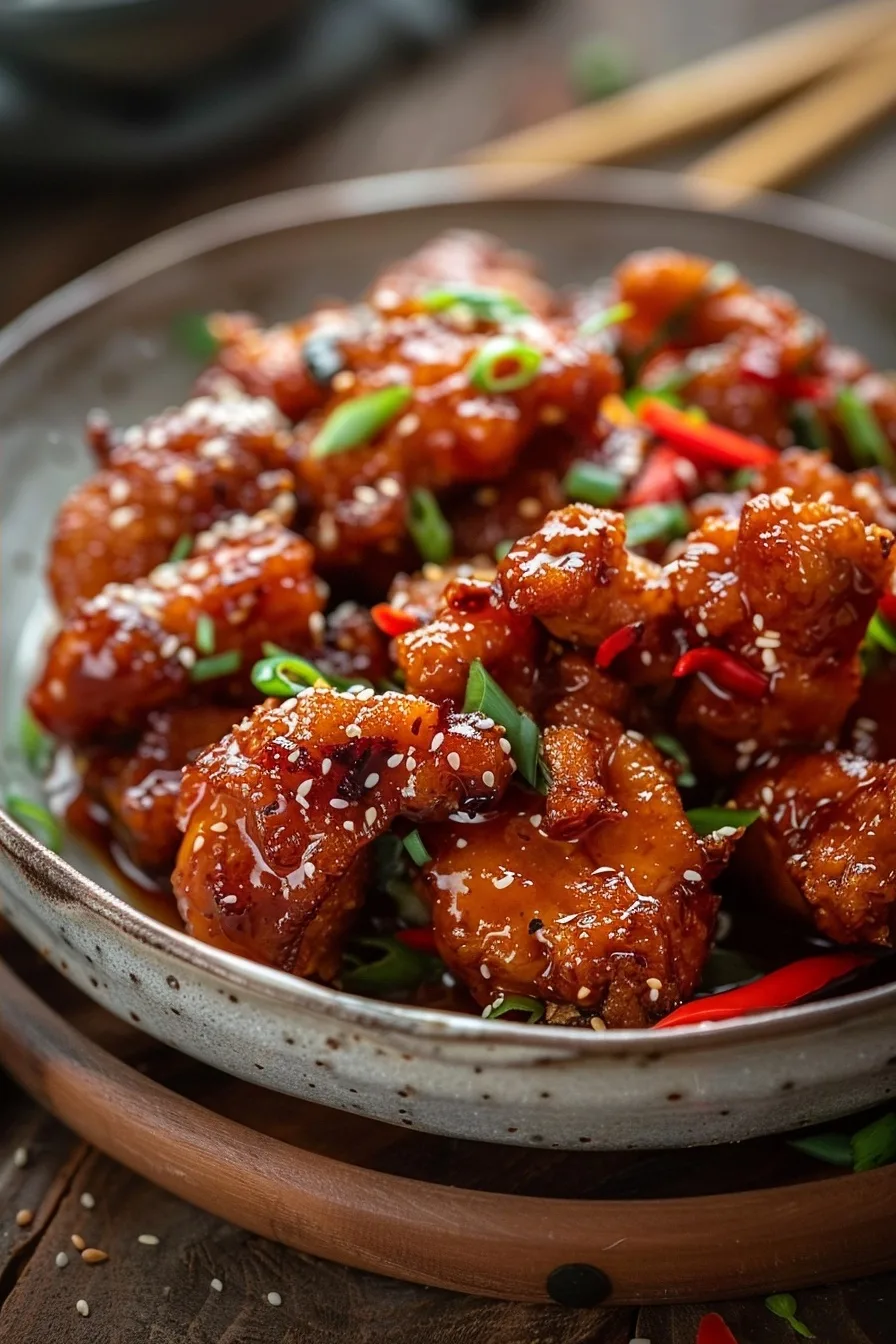
Baked sweet and sour chicken is a sophisticated culinary staple featuring crisp, starch-coated protein tossed in a vibrant, balanced tomato-based reduction. This method relies on controlled heat to ensure the crust remains intact while the internal chicken fibers retain their natural moisture. By opting for a high-temperature bake rather than deep frying, you achieve a significantly cleaner flavor profile without compromising the essential textural contrast between the crunchy exterior and tender interior.
Recipe Overview
| Metric | Details |
|---|---|
| Prep Time | 15 minutes |
| Cook Time | 25 minutes |
| Total Time | 40 minutes |
| Servings | 4 servings |
| Difficulty | Intermediate |
| Cuisine | Modern American |
Why This Recipe Works
The science behind this recipe centers on the Maillard reaction and starch gelatinization. By coating the chicken in cornstarch, you create a dry, porous barrier that effectively insulates the meat from direct heat, allowing the surface to crisp while the center steams gently in its own juices. Achieving a perfect coating requires ensuring the chicken is adequately dried before application, which prevents the starch from becoming gummy upon contact with the heat.
Temperature control is equally critical in this preparation. Baking at 400°F (204°C) provides enough thermal energy to dehydrate the surface of the starch layer rapidly, turning it into a rigid, golden crust. This high-heat environment also promotes color development without needing to submerge the protein in oil, which limits saturated fat intake while maintaining a satisfying, restaurant-quality sensation on the palate.
Finally, the addition of pineapple and sauce in the final five minutes allows the fruit sugars to caramelize slightly without burning. This stage requires specific timing to ensure the sauce adheres to the chicken rather than sliding off onto the sheet pan. The acidity in the sauce cuts through the texture of the crust, creating a harmonious balance that defines this dish as a classic example of flavor-forward home cooking.
Ingredients
| Ingredient | Quantity | Notes |
|---|---|---|
| Chicken Breasts | 1.5 lbs (680g) | Thoroughly patted dry and cubed |
| Cornstarch | 0.5 cup (60g) | Essential for the crispy crust |
| Sweet and Sour Sauce | 0.5 cup (120ml) | High-quality tomato-based reduction |
| Pineapple Chunks | 0.5 cup (80g) | Fresh or canned in juice |
| Vegetable Oil | 2 tbsp (30ml) | For light coating of the baking sheet |
| Salt/Pepper | To taste | Enhances natural protein depth |
Step-by-Step Instructions
Prep and Coating
- Preheat your convection oven to 400°F (204°C) to ensure even airflow and consistent browning.
- Pat the chicken breast cubes dry with paper towels until no surface moisture remains; this prevents the crust from becoming soggy.
- Toss the chicken cubes in a bowl with the cornstarch until every side of the meat is evenly coated with a thin, powdery layer.
Searing and Baking
- Line a large rimmed baking sheet with parchment paper and lightly brush with oil to prevent sticking.
- Arrange the chicken pieces in a single layer, ensuring they do not touch to maintain proper thermal circulation around each piece.
- Bake for 20 minutes, turning once halfway through to ensure a uniform, golden-brown crust develops on both sides.
Sauce Reduction and Plating
- Remove the tray from the oven and carefully toss the crisped chicken with the sweet and sour sauce and pineapple chunks.
- Return the baking sheet to the oven for an additional 5 minutes to allow the sauce to thicken and tack onto the chicken surface.
- Serve immediately while the texture remains optimal, ensuring the moisture barrier stays intact.
Chef Tips for Perfect Results
- Use a digital meat thermometer to ensure the chicken reaches an internal temperature of 165°F (74°C) to guarantee safety without overcooking.
- Spread the chicken pieces with enough space between them; overcrowding causes the pieces to steam instead of crisping.
- If you desire a deeper charred tone, use the broiler for the final 60 seconds of the bake, but remain vigilant to avoid burning the sugars in the sauce.
- Always use room-temperature chicken to promote even cooking throughout the thickness of the protein.
- Store sauce separately if you are preparing this for later, heating only the amount you intend to consume to keep the coating crisp.
Common Mistakes to Avoid
- Failing to dry the chicken leads to a pasty texture because excess moisture converts the starch into a wet sludge instead of a crisp crust.
- Skipping the parchment paper causes the sugar-rich sauce to bond permanently to the metal pan, leading to scrubbing frustration.
- Using cold chicken straight from the refrigerator creates uneven cooking, often resulting in dry edges while the center remains undercooked.
- Adding the sauce too early during the baking process causes the sauce to thin out and lose its ability to caramelize effectively.
Variations and Substitutions
| Ingredient | Substitution | Impact |
|---|---|---|
| Chicken Breast | Chicken Thighs | Increased moisture and fat content |
| Cornstarch | Potato Starch | Produces a slightly lighter, more airy crust |
| Sweet and Sour Sauce | Homemade Tomato/Vinegar Glaze | Provides control over acidity and sweetness |
Serving Suggestions and Pairings
Serve this dish over a bed of fluffy jasmine rice or stir-fried baby bok choy to balance the acidity of the glaze. A side of smashed cucumber salad with sesame seeds adds a refreshing, cooling textural contrast to the warm chicken. For a drink pairing, try a chilled sparkling water infused with fresh lime and ginger to complement the sweet notes of the pineapple.
Storage and Reheating
| Method | Duration | Technical Instructions |
|---|---|---|
| Refrigerator | 2-3 days | Store in airtight glass containers to maintain structural integrity. |
| Reheating | 10 minutes | Reheat in a 350°F oven to regain initial crispness; avoid microwave use. |
Nutritional Information
| Nutrient | Approximate Amount per Serving |
|---|---|
| Calories | 320 kcal |
| Protein | 28g |
| Fat | 6g |
| Carbohydrates | 38g |
| Fiber | 1g |
| Sugar | 15g |
| Sodium | 450mg |
Frequently Asked Questions
Can I use flour instead of cornstarch for the coating?
Using flour will result in a heavy, bread-like coating rather than the light, crispy crunch provided by cornstarch. For the best architectural texture, stick to cornstarch as it creates a superior barrier against moisture.
How do I know the chicken is completely done?
The chicken is fully cooked when an internal probe reads 165°F (74°C) at the thickest part of the meat. Relying on visual cues like golden color is helpful, but internal temperature is the only indicator of safety.
Is it possible to freeze this dish for later?
Freezing is not recommended because the sauce contains high sugar and acid content that will compromise the integrity of the crisp crust upon thawing. It is best enjoyed fresh from the oven to appreciate the specific balance of textures.
Why is my sauce sliding off the chicken?
The sauce slides off when the surface of the chicken is not sufficiently dried or the cornstarch layer is too thick and powdery. Ensure the chicken is wiped clean and the starch is applied in a very fine, even dusting.
Can I swap the pineapple chunks for another fruit?
While pineapple is traditional for the enzyme profile and acidity, mango pieces can be used as an alternative. Keep in mind that mango has a higher sugar content and will caramelize faster, so monitor the final five minutes of the bake closely.
You have now achieved a professional-grade version of this classic favorite using precise heat management and proper starch techniques. This balance of crispy, tender, and acidic elements creates a high-quality finished product that holds its own against any commercial preparation. Continue experimenting with your heat distribution to ensure every batch is as consistent as the last, yielding that perfect, golden-hued result every time.