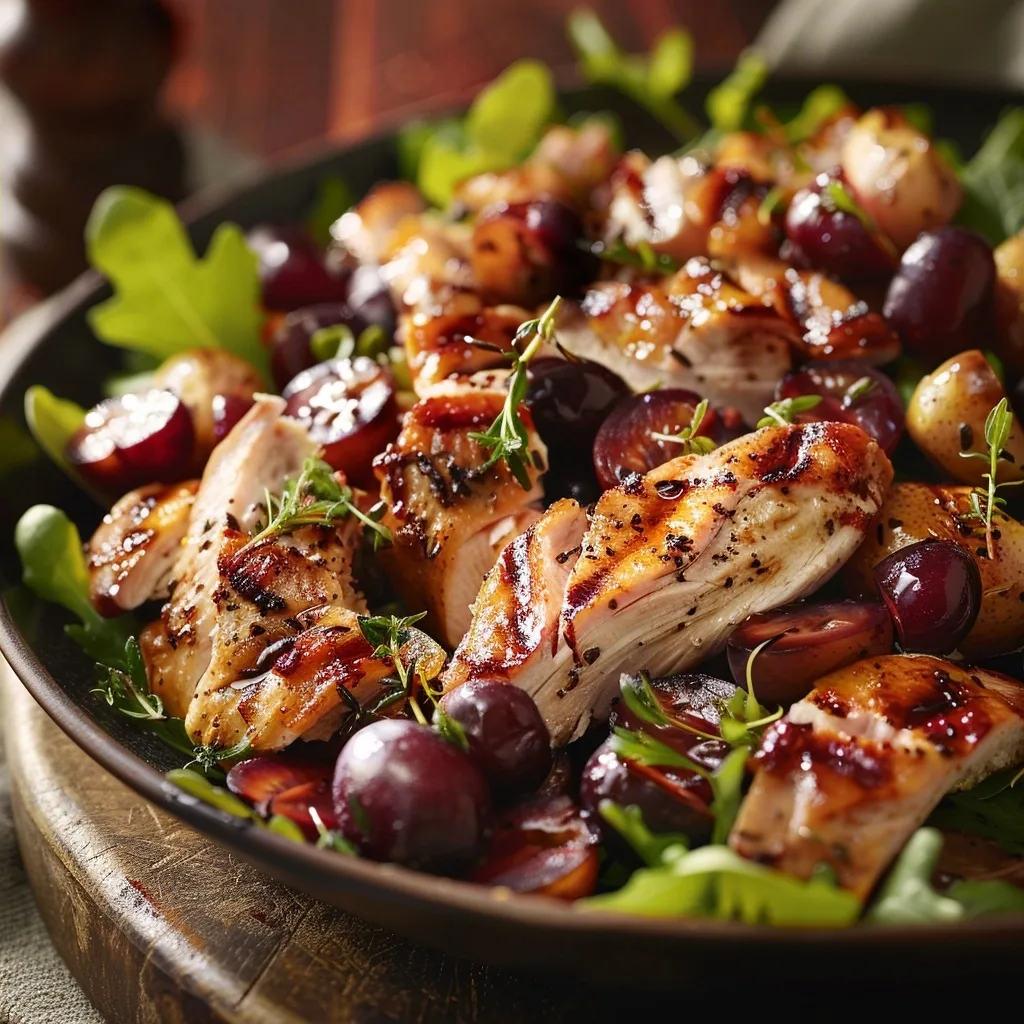

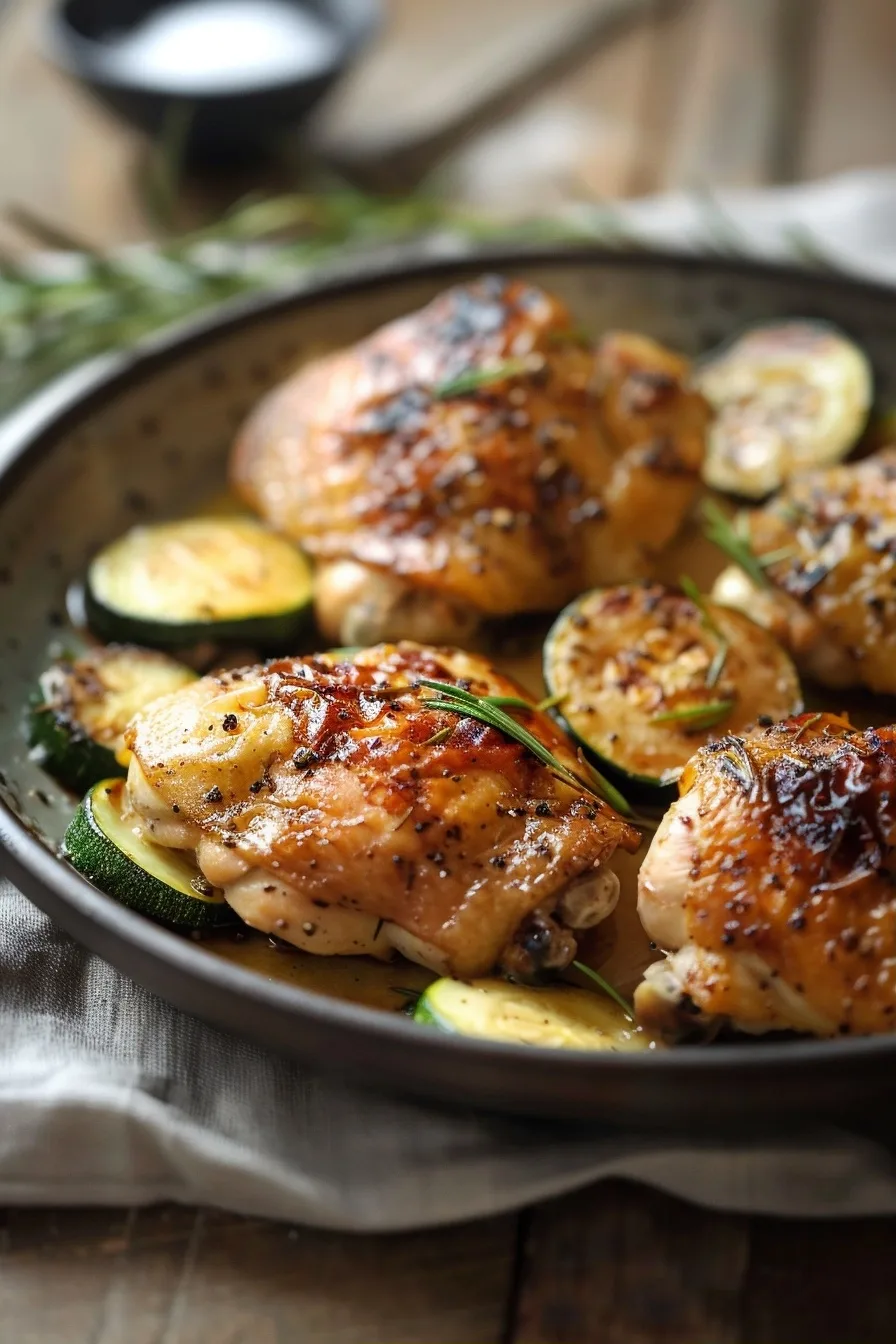
30-min rotisserie chicken & zucchini skillet is a high-protein, nutritionally balanced weeknight meal that combines pre-cooked poultry with fresh, crisp summer squash. This streamlined preparation relies on simple searing techniques to create a savory meal containing minimal fat while delivering maximum flavor. Professionals rely on this specific combination of ingredients to minimize cleanup time in the kitchen.
Recipe Overview
| Metric | Details |
|---|---|
| Prep Time | 10 minutes |
| Cook Time | 20 minutes |
| Total Time | 30 minutes |
| Servings | 4 servings |
| Difficulty | Easy |
| Cuisine | American |
Why This Recipe Works
The efficiency of this dish stems from the use of pre-cooked rotisserie chicken, which retains moisture better than pan-searing raw poultry. By utilizing already cooked protein, I shift the focus to developing flavor through the Maillard reaction in the fresh vegetables rather than intensive meat prep. This creates a balanced texture contrast between the crisp, tender zucchini and the succulent protein pieces.
Biochemically, the secret lies in the interaction between the onion and the heat. When you sauté onions in olive oil until translucent, the natural sugars caramelize, providing a deep base of sweetness. This sweetness cuts through the mild, herbaceous notes of the summer squash, effectively seasoning the entire dish without massive amounts of sodium. High heat is essential here to prevent the zucchini from releasing excess moisture, which would result in a steamed or soggy texture rather than a crisp-tender mouthfeel.
Finally, the temperature control throughout the process ensures that the chicken remains tender instead of drying out. Because the chicken is already cooked, it only requires enough thermal energy to reach serving temperature. By introducing the protein in the final stages of the process, you protect the delicate tissue from toughening. This technique allows the chicken to absorb the savory juices produced by the onions and the zucchini without overcooking.
Ingredients
| Ingredient | Quantity | Notes |
|---|---|---|
| Rotisserie Chicken | 2 cups | Shredded or chopped; ensure skin is removed |
| Zucchini | 2 large | Sliced into half-moons |
| Onion | 1 medium | Small diced red or yellow onion |
| Olive Oil | 1 tbsp | Extra virgin preferred for health benefits |
| Garlic | 2 cloves | Minced for aromatics |
| Smoked Paprika | 1 tsp | Provides depth in lieu of pork-based smokers |
| Lemon Juice | 1 tsp | Adds necessary acidity |
Step-by-Step Instructions
Preparation Phase
- Prepare all vegetables by rinsing them thoroughly under cold water to remove potential surface debris.
- Slice the zucchini into half-moon shapes of uniform, quarter-inch thickness to ensure even cooking.
- Dice the onion into small, consistent pieces to allow for rapid moisture release and caramelization.
- Shred the rotisserie chicken into bite-sized pieces, removing the skin and any excess cartilaginous tissue.
Searing and Cooking Phase
- Heat the olive oil in a large cast-iron or stainless steel skillet over medium-high heat.
- Add the diced onion to the skillet and sauté for four minutes until translucent and edges begin to turn golden.
- Incorporate the zucchini slices into the skillet, spreading them in a single layer for maximum contact with the cooking surface.
- Sauté the zucchini for seven to nine minutes, turning occasionally with a flat spatula, until tender yet still structurally firm.
- Add the minced garlic and smoked paprika, stirring constantly for sixty seconds to release the essential oils without burning the garlic.
- Fold the shredded chicken into the mixture, ensuring it is evenly distributed and fully incorporated with the vegetables.
- Add the lemon juice, stirring for two additional minutes until everything is heated through to an internal temperature of 165°F as recommended by the USDA.
Chef Tips for Perfect Results
- Use a heavy-bottomed skillet to retain heat, which prevents the pan temperature from dropping when ingredients are added.
- Crowd the pan as little as possible so that the zucchini sears instead of steams.
- Always use room-temperature chicken to ensure it heats through efficiently without cooling the vegetables down too rapidly.
- Verify seasoning levels at the end, as internal moisture content can fluctuate based on the freshness of the squash.
- Keep the heat at medium-high to ensure the Maillard reaction occurs on the squash surface.
Common Mistakes to Avoid
- Adding salt too early, which draws moisture out of the zucchini and leads to soggy, unappetizing textures.
- Overcrowding the skillet, which results in steaming and prevents the onions from developing that critical caramelized sweetness.
- Cutting the zucchini into uneven sizes, causing some pieces to turn into mush while others remain raw and crunchy.
- Using low heat, which fails to create the golden-brown crust necessary for a complex, savory flavor profile.
Variations and Substitutions
| Ingredient | Substitution | Impact |
|---|---|---|
| Onion | Shallots | More delicate, onion-like flavor profile |
| Olive Oil | Ghee | Higher smoke point and nutty flavor |
| Rotisserie Chicken | Roasted Turkey Breast | Leaner, slightly drier protein profile |
Serving Suggestions and Pairings
Serve this dish over a bed of fluffy quinoa or brown rice to soak up the residual pan juices. A crisp side salad with a vinaigrette dressing complements the warmth of the skillet perfectly. For a complete meal, pair with a glass of sparkling water infused with fresh cucumber and mint.
Storage and Reheating
| Method | Duration | Technical Instructions |
|---|---|---|
| Refrigerator | 3-4 days | Store in an airtight container to prevent moisture absorption. |
| Stove-top Reheat | 5 minutes | Add a splash of water and reheat over medium heat to maintain texture. |
Nutritional Information (Approximate)
| Nutrient | Amount |
|---|---|
| Calories | 280 kcal |
| Protein | 32g |
| Fat | 12g |
| Carbohydrates | 9g |
| Fiber | 3g |
Frequently Asked Questions
How can I tell when the zucchini is perfectly cooked?
The zucchini is ready when it reaches a fork-tender consistency while retaining its bright color. If the pieces turn translucent and begin to collapse, they have passed the ideal stage.
Can I freeze leftovers of this skillet?
Freezing is not recommended because the high water content of the zucchini will break down upon thawing. The texture will become excessively soft compared to the original preparation.
How do I replace the smoked paprika for a different flavor?
Use cumin or coriander if you prefer an earthy, aromatic profile instead of the smoke. These spices pair exceptionally well with the natural sweetness of the sautéed onions.
Why does the chicken need to be added last?
Adding the chicken last prevents the already-cooked protein fibers from dehydrating due to prolonged exposure to intense heat. This preserves the succulent texture of the store-bought rotisserie meat.
What is the best way to prevent the chicken from becoming dry?
Moisture preservation is achieved by keeping the chicken in larger shreds rather than tiny bits and avoiding excessive sauté time. Adding a small amount of liquid, like chicken broth or a dash of lemon juice, can help rehydrate the meat.
This skillet preparation serves as a masterclass in utilizing high-quality basics to produce a restaurant-standard result at home. The interplay between the succulent poultry and the charred edges of the summer squash provides a deeply satisfying experience. Your ability to manage heat precisely distinguishes this simple meal as a true professional achievement. Enjoy the vibrant colors and the savory, smoky aroma that fills your kitchen with each serving.