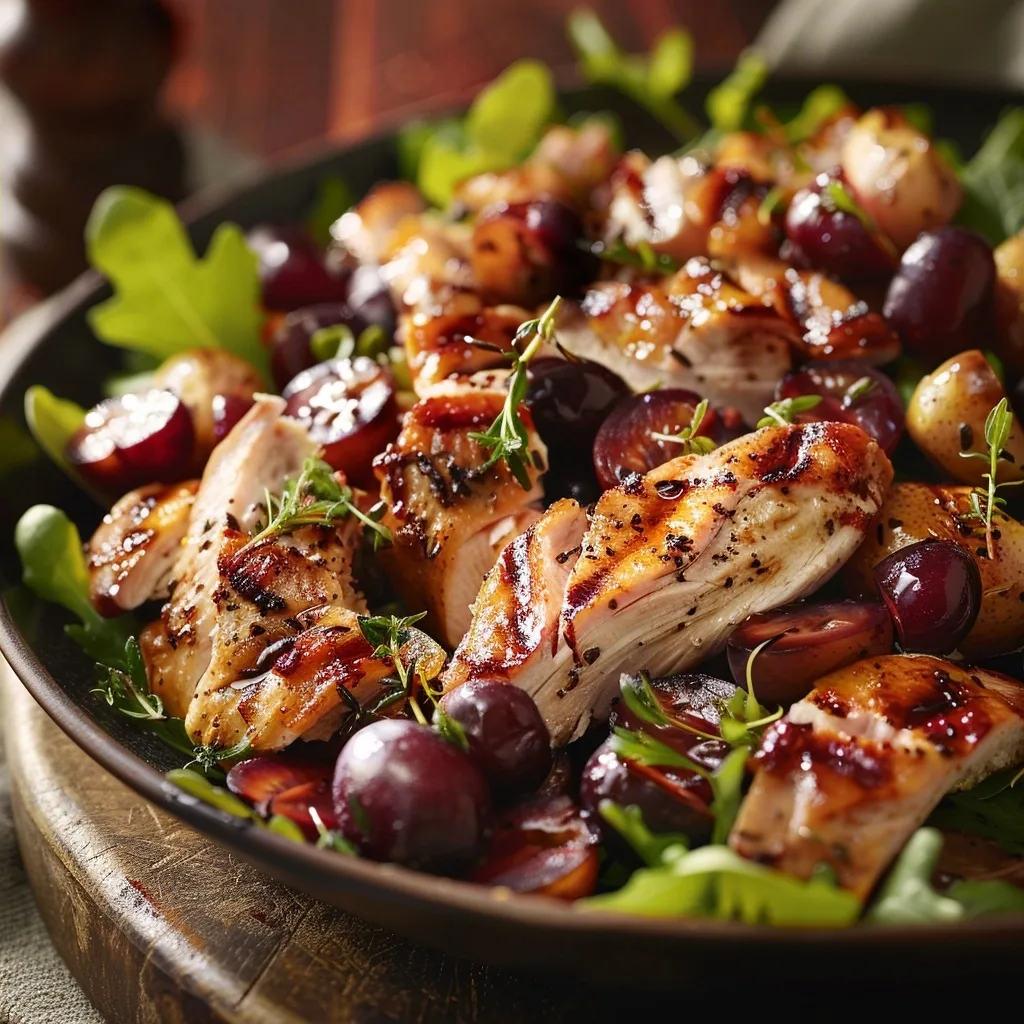

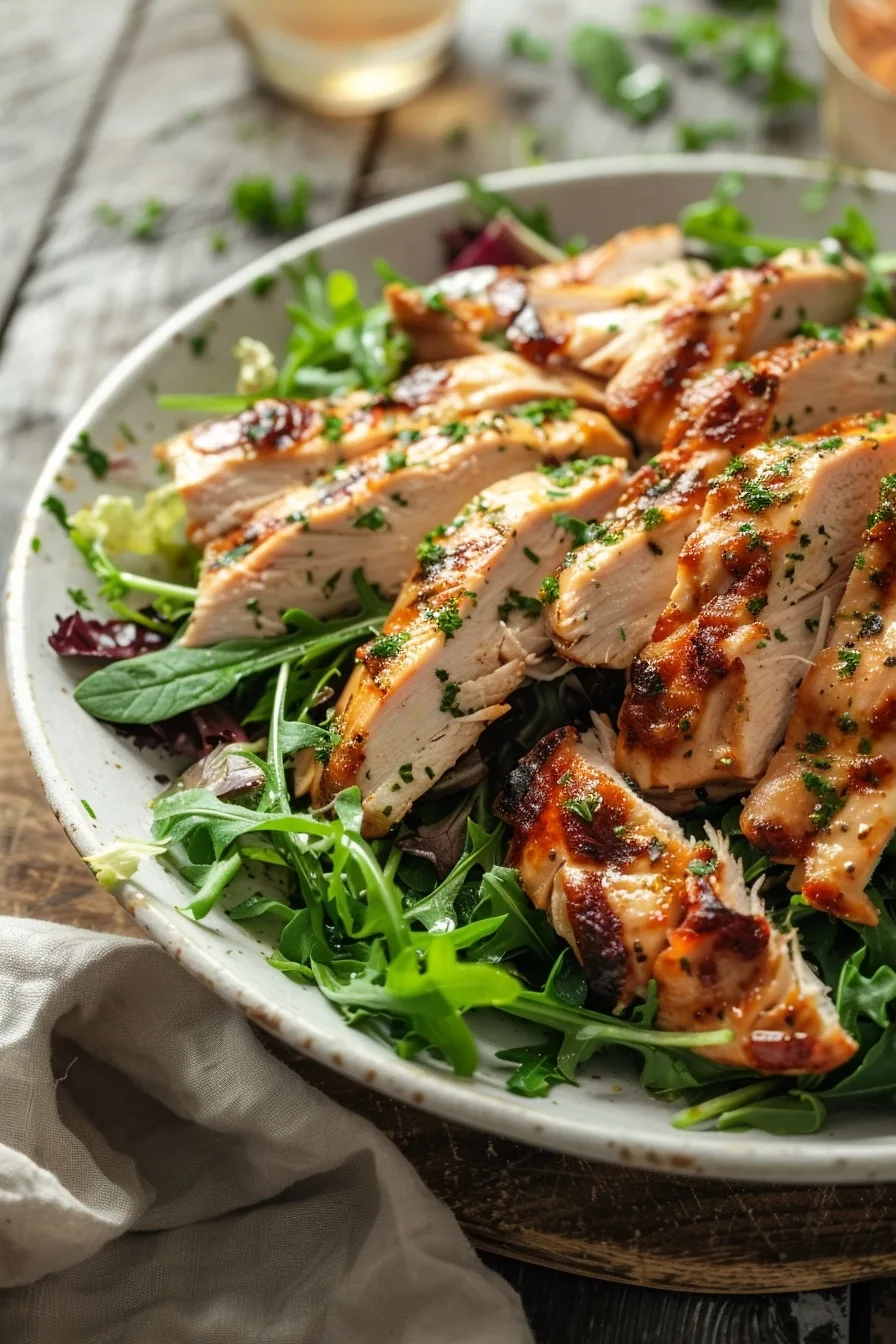
Easy rotisserie chicken salad is a nutritious, high-protein meal designed for busy afternoons requiring minimal kitchen effort during peak harvest season. Selecting high-quality, pre-cooked poultry provides a foundation for a balanced macronutrient profile while using seasonal August produce ensures maximum flavor density. This assembly-focused technique highlights the importance of ingredient temperature and texture contrast, allowing for a refined, professional lunch without the need for intensive heat application or excessive culinary prep time.
| Metric | Details |
|---|---|
| Prep Time | 10 minutes |
| Cook Time | 0 minutes |
| Total Time | 10 minutes |
| Servings | 2 people |
| Difficulty | Beginner |
| Cuisine | Modern American |
Why This Recipe Works
The success of this rotisserie chicken salad relies on the concept of temperature contrast and moisture retention. By keeping the greens crisp and cold while allowing the pre-cooked chicken to reach room temperature, we maximize the tongue’s ability to perceive individual flavor profiles. This technique prevents the wilting caused by introducing hot proteins directly into delicate salad greens, ensuring a structurally sound dish.
We focus on the structural integrity of the bite by sourcing fresh cherry tomatoes and robust mixed greens. The vinaigrette acts as an acidic emulsifier that cuts through the natural lipids of the chicken, brightening the palate. Molecularly, the addition of acid signals the salivary glands, which makes the food appear naturally more succulent and reduces the perception of dryness often associated with cold leftover poultry.
The culinary logic here involves minimizing mechanical stress on the greens. By gently folding the salad rather than aggressively tossing it, we maintain the turgor pressure within the plant cells. This prevents cellular collapse and the subsequent release of enzymes that cause the salad to turn limp within minutes of preparation, which is essential for a high-quality lunch experience.
Ingredients
| Ingredient | Quantity | Notes |
| Rotisserie Chicken | 2 cups | Shredded while warm for better absorption of dressing |
| Mixed Greens | 4 cups | Wash and dry thoroughly to ensure dressing cohesion |
| Cherry Tomatoes | 1/2 cup | Halved to increase surface area for salt distribution |
| Vinaigrette | 1/4 cup | Use a high-quality lemon or cider vinegar-based dressing |
Step-by-Step Instructions
Preparation
- Shred the rotisserie chicken into bite-sized pieces using two forks, ensuring all cartilage is removed.
- Rinse the mixed greens and use a salad spinner to remove excess moisture; residual water creates a barrier that prevents the dressing from coating the leaves.
- Slice the cherry tomatoes in half to help them meld with the juices of the vinaigrette.
Assembly
- Place the prepared greens into a large, non-reactive mixing bowl to provide ample room for rotation.
- Add the shredded chicken and halved tomatoes over the top of the greens to facilitate an even distribution during the mixing stage.
- Drizzle the vinaigrette around the edge of the bowl rather than directly on the chicken to ensure even coating.
- Toss the salad gently using wide hands or tongs until every leaf is lightly enrobed in the vinaigrette.
Chef Tips for Perfect Results
- Always dress the salad immediately before serving to maintain the structural integrity of the greens.
- If you prefer a deeper flavor, let the shredded chicken marinate in two tablespoons of the vinaigrette for ten minutes before adding the greens.
- When buying store-bought rotisserie chickens, choose birds that feel heavy for their size, as this indicates higher moisture retention within the muscle fibers.
- For optimal sensory experience, ensure your greens are chilled to roughly 40 degrees Fahrenheit (4 degrees Celsius) before assembly.
- Use a wide bowl to allow for a gentle fold, which preserves the delicate architecture of the salad ingredients for a better mouthfeel.
Common Mistakes to Avoid
- Adding warm meat to cold greens: This causes the greens to wilt prematurely due to thermal shock, resulting in a soggy, unappealing texture.
- Using excess dressing: Too much acidity can chemically « cook » the greens, causing them to lose their crispness and turn mushy.
- Skipping the drying process: Water on the surface of the lettuce creates a sliding surface for the oil, causing the dressing to pool at the bottom instead of absorbing into the leaves.
- Over-chopping the chicken: If you shred the chicken into threads that are too fine, it loses its chew and becomes overly uniform in texture when mixed with smaller ingredients.
Variations and Substitutions
| Ingredient | Substitution | Flavor Impact |
| Mixed Greens | Arugula | Adds a peppery bite that balances the richness of the chicken |
| Cherry Tomatoes | Diced cucumber | Adds a cooling, crunchy profile perfect for hot August days |
| Vinaigrette | Lemon-herb tahini | Provides a creamy, nutty depth without needing dairy |
Serving Suggestions and Pairings
Serve this salad alongside a side of toasted sourdough bread or whole-grain crackers to provide a necessary textural crunch. For a refreshing beverage, pair the meal with chilled sparkling water infused with fresh cucumber slices or house-made lemonade sweetened with raw honey. This lunch is ideal for outdoor dining or a mid-workday boost that provides sustained energy without the heaviness of a carbohydrate-dense meal.
Storage and Reheating
| Method | Duration | Instructions |
| Refrigerated (Mixed) | 2 hours max | Keep at 40F; after 2 hours, the texture of greens will degrade |
| Refrigerated (Components) | 3 days | Store chicken and vegetables in separate airtight containers |
Nutritional Information
| Nutrient | Amount per Serving |
| Calories | 320 |
| Protein | 35g |
| Fat | 14g |
| Carbohydrates | 8g |
| Fiber | 3g |
Frequently Asked Questions
Can I prepare this recipe for the entire work week?
It is best to store the shredded chicken, washed greens, and dressing in separate containers. Assemble the components daily to ensure the greens remain vibrant, crisp, and clean-tasting.
How do I know if the rotisserie chicken is safe to consume?
The USDA recommends that all cooked poultry reach an internal temperature of 165 degrees Fahrenheit (74 degrees Celsius). When purchasing from a store, verify the chicken was kept in a warm holding unit above 140 degrees Fahrenheit.
Can I add nuts to this salad?
Yes, adding toasted sunflower seeds or slivered almonds enhances the structural bite. Toast these in a dry pan for two minutes to maximize the aromatic oils before adding.
What is the secret to a professional-grade salad dressing?
The key is a three-to-one ratio of oil to acid, emulsified until the mixture is uniform. This creates a stable coating that adheres to ingredients rather than sliding off.
Can I freeze the leftover chicken?
Yes, the chicken can be frozen for up to one month in a vacuum-sealed bag. Thaw slowly in the refrigerator for 24 hours to prevent moisture loss during the transition.
By following these precise techniques, you have created a balanced, high-protein lunch that respects the integrity of fresh ingredients while saving time. The interplay between the savory, seasoned chicken and the acid-forward dressing provides a sophisticated dining experience. Enjoy the vibrant crunch of garden-fresh vegetables paired with the tender, succulent poultry that makes this easy rotisserie chicken salad a standout choice for your August lunch menu.