
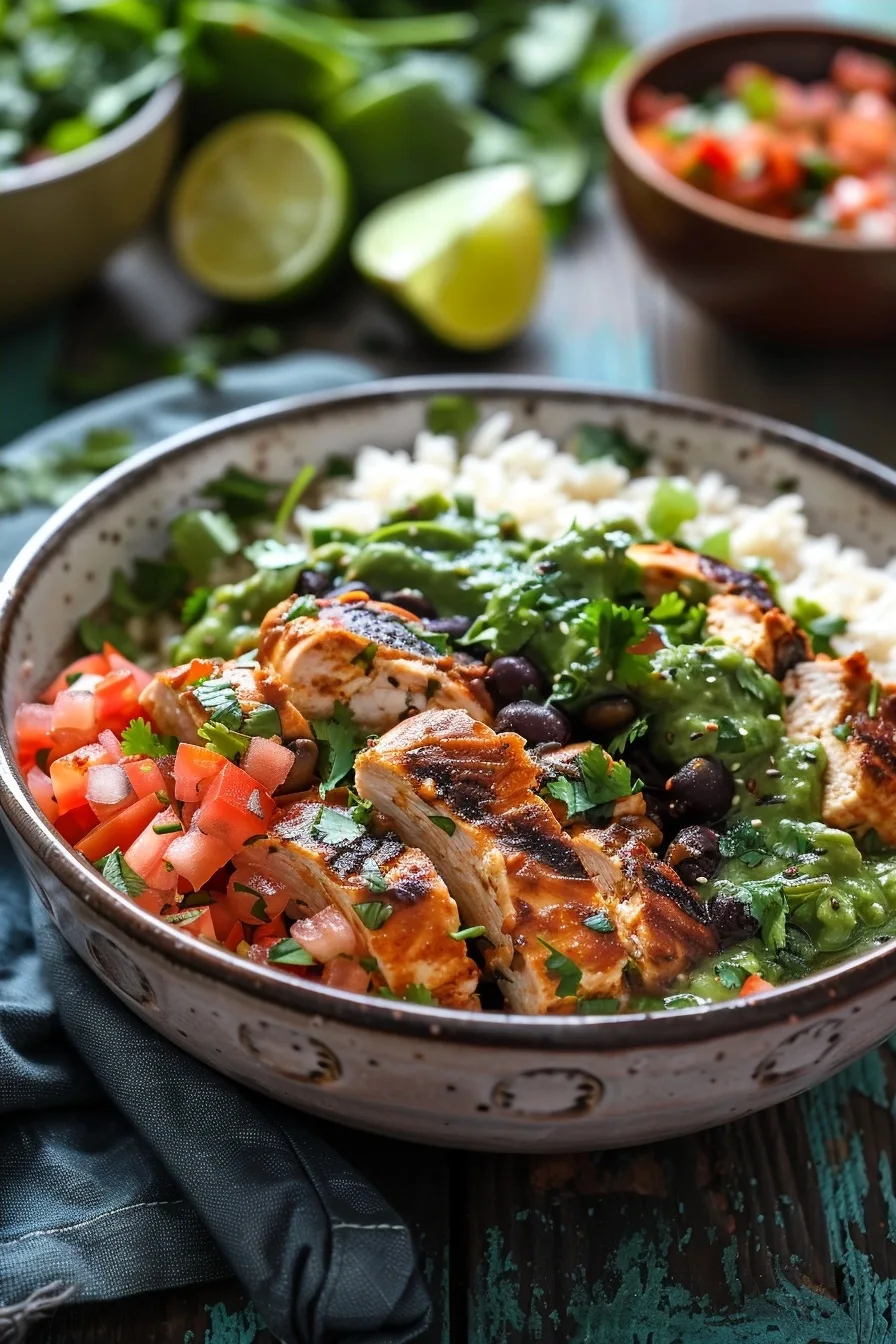
High-Protein Chicken Enchilada Bowls combine seasoned poultry, complex carbohydrates, and vibrant vegetable proteins into a perfectly portioned, nutrient-dense lunch solution. This dish utilizes an efficient assembly method that optimizes texture and flavor stability for busy schedules. By layering fiber-rich black beans with lean protein and savory sauce, these bowls provide sustained energy without requiring hours in the kitchen. Following specific food science principles ensures every component remains fresh, textured, and satisfying throughout the work week.
Recipe Overview
| Metric | Details |
|---|---|
| Prep Time | 10 minutes |
| Cook Time | 5 minutes |
| Total Time | 15 minutes |
| Servings | 4 bowls |
| Difficulty | Easy |
| Cuisine | Modern American |
Why This Recipe Works
The culinary logic behind these bowls relies on moisture management. When combining ingredients for meal prep, the primary challenge is preventing texture degradation in grains and produce. By using a pre-cooked brown rice base, the starch granules are already gelatinized, meaning they absorb the flavorful enchilada sauce without becoming overly mushy or disintegrated. This separation of flavor profiles allows the chicken to remain tender while the sauce acts as a binding agent that keeps the beans and grains hydrated throughout refrigeration.
Temperature control during the reheating phase is also foundational to the final result. While many meal prep recipes use high-heat cooking methods that dry out lean proteins like chicken breast, these bowls encourage a gentle warming process. By storing the beans and chicken in contact with the sauce, we create a moist heat environment. This prevents the Maillard reaction from turning the exterior of the chicken rubbery, ensuring the protein maintains its integrity and pleasant chew during the reheating process.
Finally, the chemistry of the cheese layer serves a functional role beyond mere flavor. When the shredded cheese is placed on top of the sauce, it acts as a permeable barrier during transit. It traps aromatic compounds from the seasoning profile, slowly releasing them during the heating process. This creates a sensory experience that mimics a fresh-baked oven dish while only requiring access to a standard microwave or oven unit for service.
Ingredients
| Ingredient | Quantity | Notes |
| Shredded Rotisserie Chicken | 2 cups (300g) | Skinless and boneless for optimal protein ratio |
| Cooked Brown Rice | 2 cups (350g) | Provides complex carbohydrates for satiety |
| Black Beans | 1 cup (200g) | Rinsed and drained thoroughly |
| Enchilada Sauce | 1 cup (240ml) | Ensure the brand is alcohol-free and pork-free |
| Shredded Cheddar | 1/2 cup (60g) | Low-moisture cheese melts most evenly |
Step-by-Step Instructions
Phase 1: Foundation Prep
- Divide the cooked brown rice equally among four airtight glass meal prep containers, spreading it into an even base layer to allow for consistent heat distribution.
- Distribute the rinsed black beans evenly over the rice, which helps create a stable foundation for the heavier protein components.
Phase 2: Protein and Flavor Integration
- Add the shredded chicken atop the bean layer, ensuring you loosen any large clumps for uniform portion control.
- Pour one-fourth cup of the enchilada sauce directly over the chicken in each container, allowing the liquid to gravity-feed through the chicken and into the rice.
- Sprinkle the shredded cheese over the top of each container, ensuring full coverage to act as an aromatic seal during the cooling and storage process.
Phase 3: Service
- Seal the containers tightly once the components reach room temperature to prevent condensation, which can lead to soggy textures.
- Heat the bowls in a microwave-safe environment for approximately 2 minutes or until the cheese has melted and the center holds a consistent temperature of 165°F (74°C).
Chef Tips for Perfect Results
- Use high-quality glass containers rather than plastic to prevent the absorption of spicy aromatic compounds from the enchilada sauce.
- Allow the ingredients to cool completely before closing the lid to prevent steam build-up, which ruins the texture of the rice.
- Add a tablespoon of fresh cilantro or diced red onion post-reheating to introduce a sharp, acidic contrast to the savory sauce.
- Select a brown rice variety that retains a firm bite to ensure it does not lose its structural integrity during the reheating stage.
- Rotate your containers in the microwave for even heat distribution, as cold spots often persist in the dense bean and rice layers.
Common Mistakes to Avoid
- Over-saucing the bowls often leads to a watery soup-like consistency rather than a cohesive meal, so stick to the measured ratio.
- Storing containers while still hot causes excess trapped moisture, which leads to soggy rice and an unappealing gummy texture.
- Using low-protein meat substitutes that lack structural density makes the dish feel unbalanced; focus on dense muscle meats or firm beans.
- Failing to rinse canned black beans introduces excess sodium and starches that cloudy the natural flavor profile of the enchilada sauce.
Variations and Substitutions
| Ingredient | Substitution | Impact |
| Brown Rice | Quinoa | Adds nutty flavor and higher protein density |
| Black Beans | Pinto Beans | Offers a creamier, softer texture |
| Cheddar Cheese | Pepper Jack | Introduces a subtle, manageable heat level |
| Rotisserie Chicken | Roasted Turkey Breast | Loses fat but remains high in essential minerals |
Serving Suggestions and Pairings
Serve these bowls alongside a crisp lime-wedge side or a side of cold sliced avocado to contrast the warmth of the sauce. For a more complete meal, add a small side of shredded kale tossed in lemon juice and olive oil. Pair this dish with a sparkling water muddled with lime and a hint of stevia for a refreshing non-alcoholic beverage option.
Storage and Reheating
| Method | Duration | Instructions |
| Refrigerator | 3-4 Days | Keep sealed at or below 40°F (4°C) |
| Microwave | 2 Minutes | Cover with a damp paper towel to maintain moisture |
| Oven | 15 Minutes | Preheat to 350°F (175°C) and cover with foil |
Nutritional Information
| Nutrient | Amount per Serving (Approximate) |
| Protein | 32g |
| Calories | 410 kcal |
| Fat | 12g |
| Carbohydrates | 48g |
| Fiber | 8g |
Frequently Asked Questions
How long do these chicken bowls last in my refrigerator?
These bowls maintain their optimal quality and safety for up to four days when stored in an airtight environment at 40°F (4°C) or below. Any longer duration risks moisture loss and a decline in textural quality.
Can I freeze these enchilada bowls for later use?
Freezing is not recommended because the cooked rice and beans will undergo starch retrogradation, leading to a gritty, unappealing texture upon thawing. Stick to refrigeration for the best culinary output within the four-day window.
How can I achieve a crisp cheese top?
If you prefer a browned, crispy cheese layer, finish the bowls in an oven or toaster oven for five minutes under the broiler after the main heating cycle. This induces the Maillard reaction, developing deeper savory notes.
Are there any concerns with the acidity in the sauce?
High-acidity sauces, particularly those containing vinegar or tomato, can react with certain metals, so glass or ceramic containers are necessary for long-term freshness. Always store in non-reactive containers to avoid metallic off-flavors.
How do I know the chicken is safe to consume after reheating?
The internal temperature of the chicken must reach at least 165°F (74°C) to ensure food safety according to USDA guidelines. Use a digital probe thermometer to verify the center of the bowl is thoroughly heated, preventing uneven warming zones.
Mastering these High-Protein Chicken Enchilada Bowls demonstrates how disciplined meal prep leads to superior nutrition and consistent flavor. By respecting the balance between moisture and starch, you have created a reliable, high-protein staple. Enjoy the deep, savory satisfaction provided by the tender chicken and perfectly seasoned rice, knowing this meal provides the exact fuel needed for your demanding routine. For further reading on safe food storage, visit the Food Safety and Inspection Service.