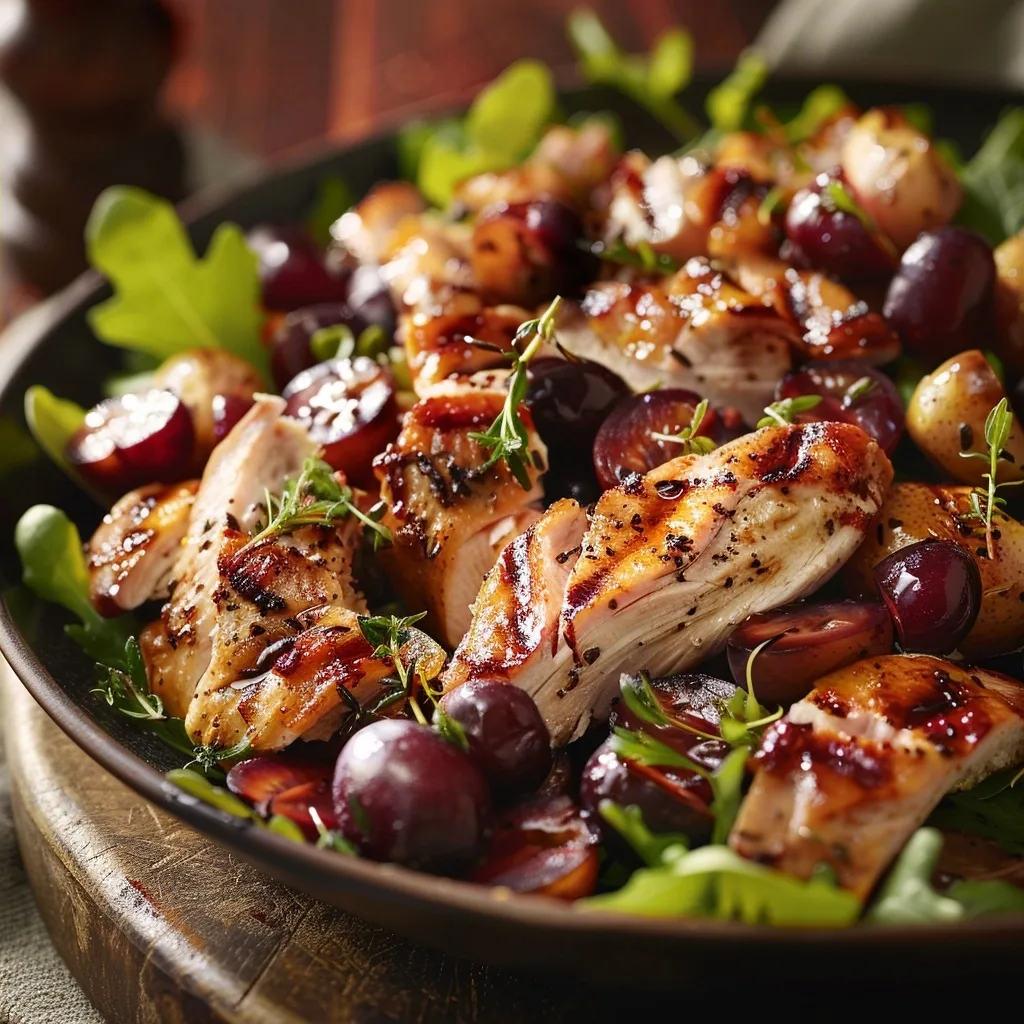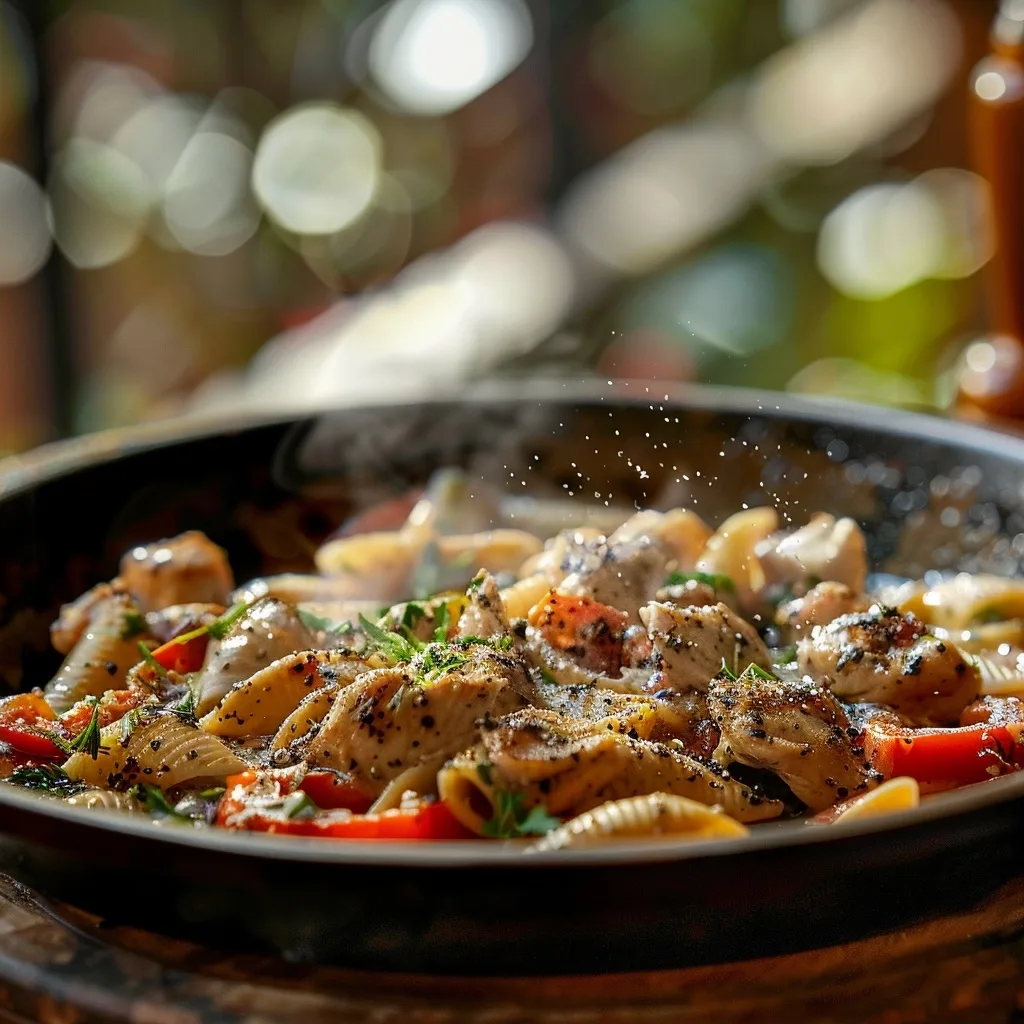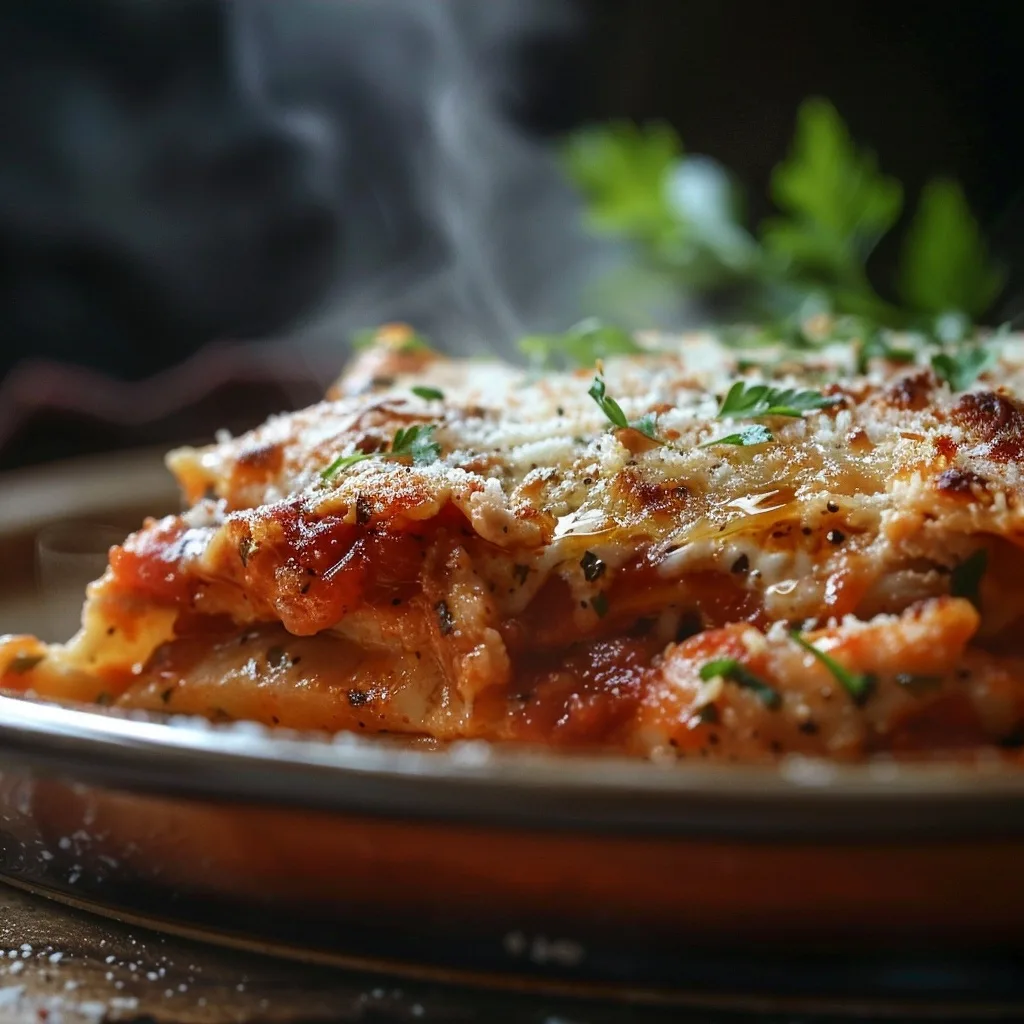

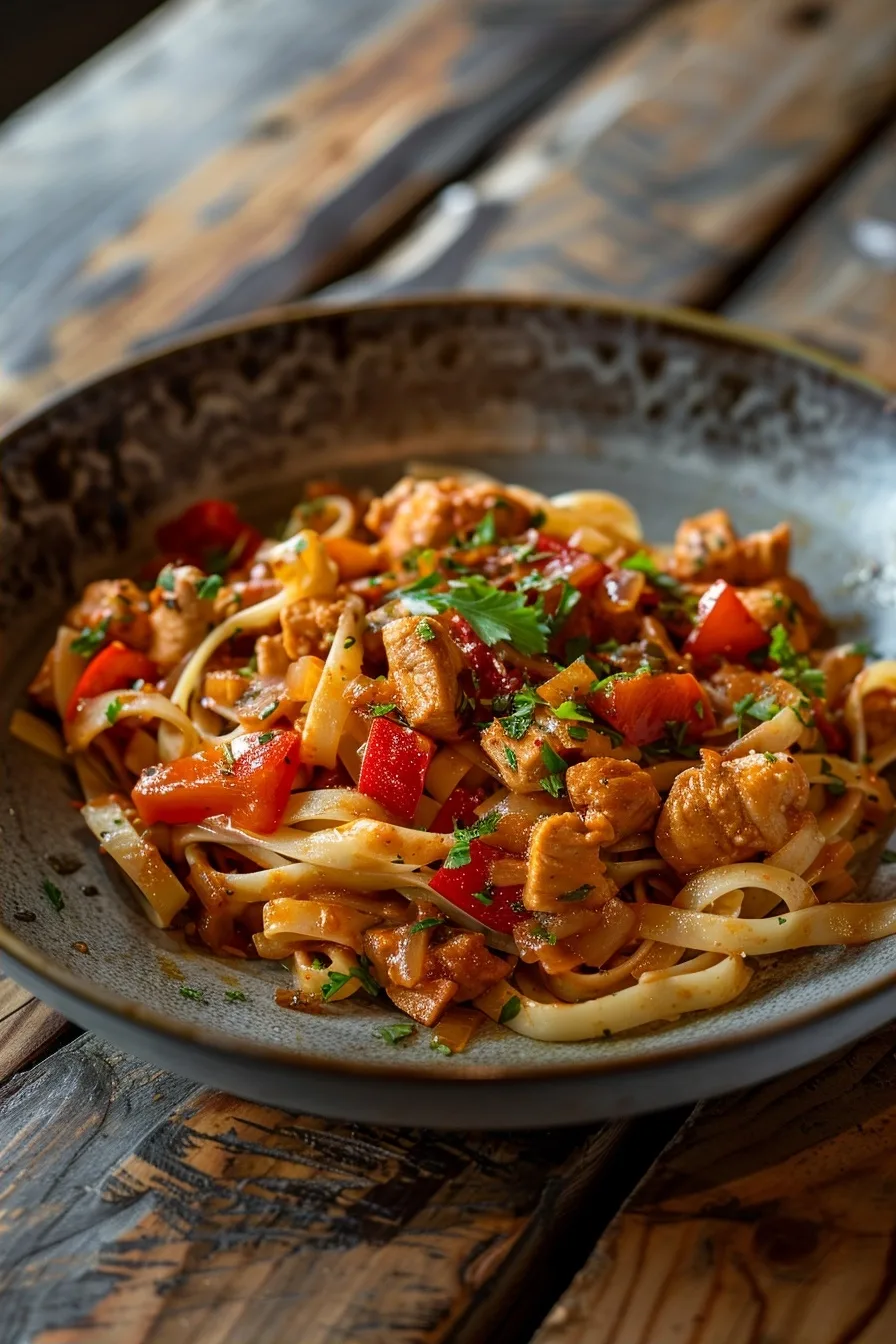
Marry Me Chicken Pasta is a rich, creamy Italian-inspired entree defined by its luxurious sauce of sun-dried tomatoes, parmesan, and heavy cream. This dish achieves its status through a precise emulsion of fat and acidity that coats every strand of pasta. By combining savory aromatics with high-quality dairy, it creates a texture that is simultaneously velvety and bright, providing a restaurant-quality dining experience from the comfort of your own home kitchen.
| Prep Time | Cook Time | Total Time | Servings | Difficulty | Cuisine |
|---|---|---|---|---|---|
| 10 min | 15 min | 25 min | 4 | Easy | Italian American |
Why This Recipe Works
The science behind this dish lies in the emulsification process. When heavy cream meets the salty, umami-rich parmesan cheese, the proteins and fats bind to create a stable, thick sauce that adheres to the pasta. I prefer using freshly grated parmesan rather than pre-shredded varieties because the anti-caking agents in bagged cheese prevent a smooth, homogeneous melt, which is vital for that signature silky mouthfeel.
Temperature control is the next critical component. I keep the heat at a medium-low setting once the cream is added to prevent the milk solids from breaking or curdling. High heat essentially forces the water out of the cream, leaving behind oily clumps rather than a cohesive sauce. By maintaining a gentle simmer, I allow the sun-dried tomatoes to rehydrate slightly, releasing their concentrated tomato essence directly into the fat.
Finally, the addition of rotisserie chicken is a strategic choice for both texture and convenience. Since the chicken is already cooked, it does not need aggressive searing, which protects its delicate structure. By folding it into the sauce at the last minute, the meat stays tender and effectively acts as a vessel for the sauce, ensuring that every bite is as flavorful as the last. This technique minimizes the risk of dry, overcooked poultry while maximizing the total flavor profile.
| Ingredient | Quantity | Notes |
|---|---|---|
| Rotisserie Chicken | 2 cups | Shredded; use breast or thigh meat |
| Pasta | 8 oz (225g) | Penne or rigatoni works best |
| Sun-dried Tomatoes | 1/2 cup | Chopped; packed in oil for better flavor |
| Heavy Cream | 1/2 cup | Must be high-fat to stabilize the sauce |
| Parmesan Cheese | 1/4 cup | Freshly grated for optimal melting |
| Chicken Broth | 1/4 cup | Use as a base to replace wine acidity |
| Garlic | 3 cloves | Minced finely for maximum aromatics |
Step-by-Step Instructions
Preparation and Pasta Boiling
- Boil a large pot of salted water and cook your pasta of choice until it reaches al dente.
- Reserve half a cup of the starchy pasta water before draining the noodles completely.
Building the Flavor Base
- Heat a large skillet over medium heat and add one tablespoon of the oil from your sun-dried tomato jar.
- Sauté the minced garlic for thirty seconds until fragrant, ensuring it does not brown or turn bitter.
- Add the chopped sun-dried tomatoes to the skillet, stirring for two minutes to allow the oils to bloom.
- Pour in your chicken broth and a teaspoon of lemon juice to mimic the bright acidity typically found in white wine.
Reduction and Emulsion
- Lower the heat and add the heavy cream, stirring continuously until the mixture is uniform.
- Whisk in the parmesan cheese gradually, allowing each addition to melt fully into the cream.
- Fold in the shredded rotisserie chicken and allow it to heat through for two minutes.
- Toss the drained pasta into the skillet until each piece is coated in the thick, creamy sauce.
- Adjust consistency with the reserved pasta water if the sauce appears too thick.
Chef Tips for Perfect Results
- Always reserve pasta water; the starch acts as a binding agent that helps the sauce cling to the pasta.
- Use room temperature parmesan to ensure it incorporates into the cream without clumping.
- Avoid using low-fat milk or half-and-half as the low fat content prevents proper emulsion, leading to a watery sauce.
- Finish the dish with a pinch of red pepper flakes if you prefer a subtle kick.
- Use a wide skillet to ensure even heat distribution, which prevents the cream from concentrating in the center.
Common Mistakes to Avoid
One common failure is boiling the sauce intensely, which causes the heavy cream to separate. Always keep the heat at a low simmer to preserve the emulsion. Another mistake is over-salting the water; since parmesan and sun-dried tomatoes are naturally high in sodium, you should taste the sauce before adding additional salt. Using pre-shredded cheese is a technical error that leaves the sauce grainy rather than smooth due to additives designed to prevent clumping. Finally, do not overcrowd the skillet, as this drops the temperature and prevents the tomatoes and garlic from properly releasing their flavors into the oil.
Variations and Substitutions
| Ingredient | Substitution | Impact |
|---|---|---|
| Heavy Cream | Full-fat coconut milk | Adds a subtle nuttiness but maintains creaminess |
| Parmesan | Pecorino Romano | Sharper, saltier finish |
| Chicken | Smoked turkey breast | Provides a deeper, wood-smoked flavor |
| Garlic | Shallots | Milder, sweeter aromatic base |
Serving Suggestions and Pairings
This dish pairs perfectly with a side of steamed broccolini tossed in olive oil and lemon zest. A crisp, garden-fresh mixed green salad with a basic vinaigrette balances the richness of the creamy pasta. For a beverage, a sparkling mineral water with a squeeze of fresh lime serves as an excellent palate cleanser. It is an ideal meal for a cozy weeknight dinner or an elegant weekend gathering.
Storage and Reheating
| Method | Duration | Technical Instructions |
|---|---|---|
| Refrigerator | 3 Days | Store in an airtight glass container |
| Reheating | Stovetop | Add two tablespoons of water or broth to loosen the sauce over low heat |
Nutritional Information
| Nutrient | Amount per Serving (Approximate) |
|---|---|
| Calories | 480 kcal |
| Protein | 28g |
| Fat | 22g |
| Carbohydrates | 45g |
Frequently Asked Questions
Can I make this dish ahead of time?
You can prepare the sauce and shredded chicken ahead of time, but the pasta should be cooked fresh just before serving. Pasta left in sauce overnight will absorb the liquid and lose its ideal texture.
How do I know when the sauce is finished?
The sauce is ready when it coats the back of a wooden spoon without running off instantly. This indicates the starches and fats have reached the ideal viscosity for plating.
What if my sauce is too thick?
Add the reserved starchy pasta water one tablespoon at a time while vigorously whisking. The starch helps re-emulsify the sauce back to a smooth consistency.
Can I freeze this pasta dish?
Freezing is not recommended because the high cream content often causes the sauce to separate upon thawing. It is best enjoyed fresh or from the refrigerator within three days.
What is the best type of pasta to use?
Short pasta shapes like penne, rigatoni, or farfalle are superior because they have ridges that trap the sauce. Smooth pastas like spaghetti often allow the rich cream sauce to slide off too easily.