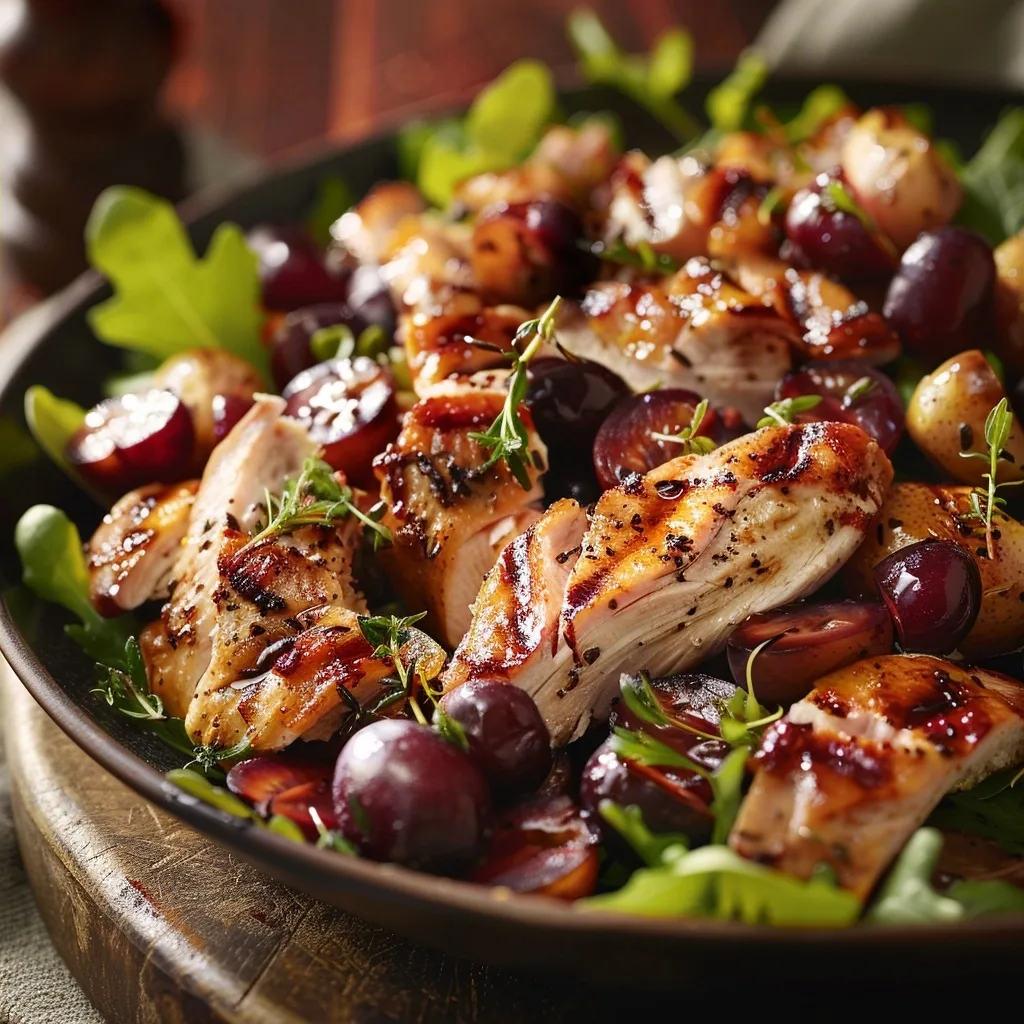

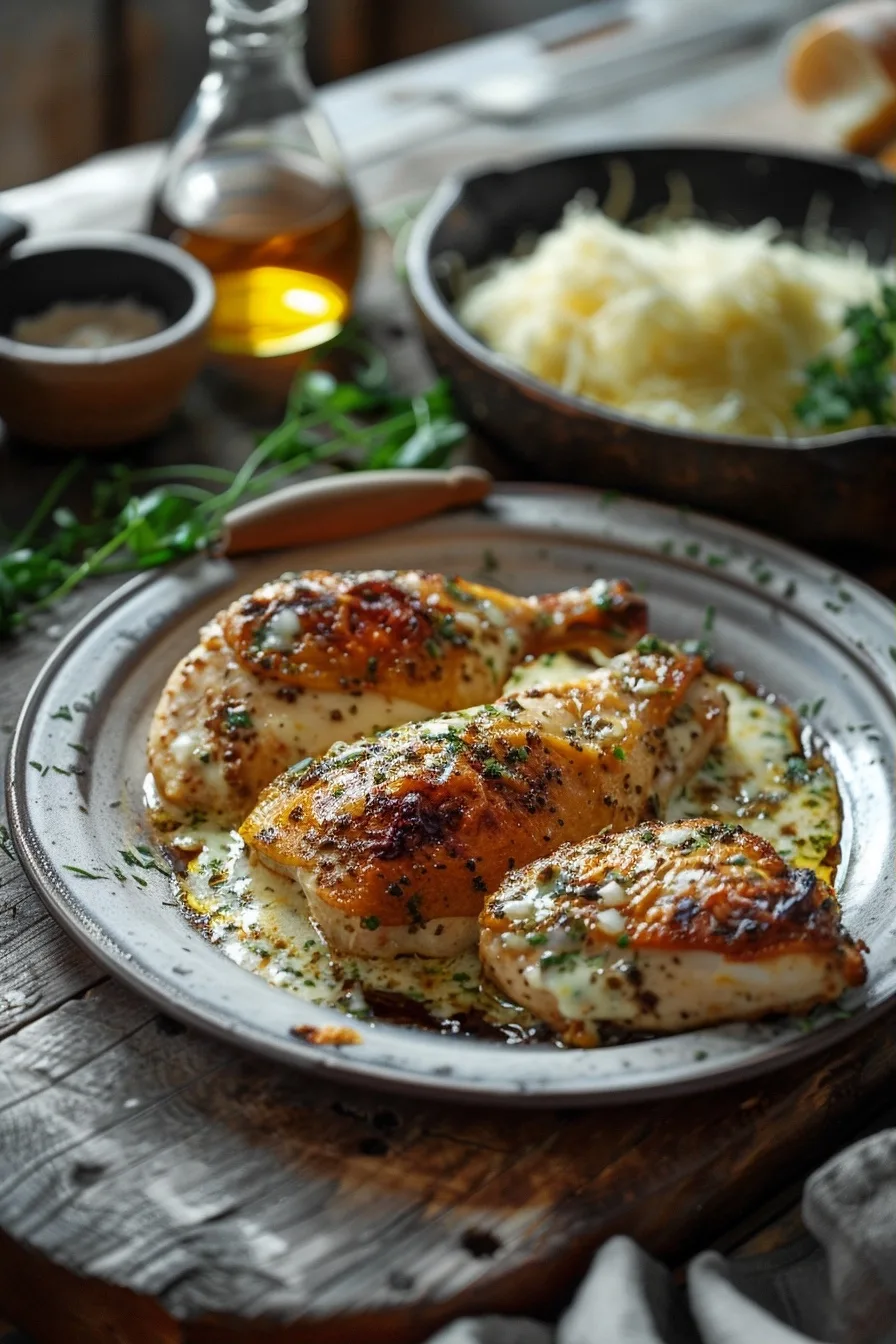
Baked Caesar chicken with creamy parmesan sauce is a refined home-cooked meal featuring tender chicken breasts coated in a savory, emulsified dressing and baked to perfection. This preparation utilizes professional thermal techniques to ensure the protein remains succulent while creating a golden, umami-rich crust on the exterior. It stands out as an efficient, nutrient-dense main dish suitable for any busy weeknight where ingredient quality remains the top priority for your culinary output.
Recipe Overview
| Prep Time | 10 minutes |
|---|---|
| Cook Time | 25 minutes |
| Total Time | 35 minutes |
| Servings | 4 |
| Difficulty | Easy |
| Cuisine | American |
Why This Recipe Works
The success of this dish relies on the principle of moisture retention through thermal shielding. By coating the chicken breasts in an emulsified dressing, you create a protective barrier that prevents evaporative moisture loss during the high-heat baking process. This method, often utilized by institutional chefs, allows the protein to poach in its own juices while simultaneously browning the surface proteins, leading to a superior texture that is rarely achieved with dry-heat roasting alone.
The science of the parmesan crust is equally critical to the flavor profile of this dish. When exposed to 400°F (200°C), the lactic acid and proteins within the aged cheese undergo the Maillard reaction, developing deep, nutty notes that balance the acidity of the dressing. Using precisely chosen aromatics like garlic powder prevents the burning that can occur with fresh minced garlic, ensuring a consistent flavor distribution across the entire surface of the golden-brown crust.
Finally, the temperature control inherent in this method prevents the common issue of overcooked poultry. By keeping the oven at a steady 400°F, you ensure that the center of the chicken reaches the food-safe standard of 165°F (74°C) without the outer layer becoming stringy or dry. This technique yields a sophisticated result with minimal kitchen labor, demonstrating the beauty of applying basic thermodynamics to everyday ingredients.
Ingredients
| Ingredient | Quantity | Notes |
|---|---|---|
| Chicken Breasts | 1 lb (450g) | Boneless, skinless, pounded to even thickness. |
| Caesar Dressing | 1/2 cup (120ml) | High-quality artisanal variety; check label for no wine/vinegar-alcohol. |
| Grated Parmesan | 1/4 cup (25g) | Freshly grated for optimal melting properties. |
| Garlic Powder | 1/4 tsp (1g) | Ensure freshness for maximum aromatic impact. |
Step-by-Step Instructions
Prep
-
Preheat your oven to 400°F (200°C) to ensure a stable thermal environment for the Maillard reaction.
-
Pound the chicken breasts between two sheets of parchment paper until they reach a uniform thickness of one inch.
-
Place the prepared chicken breasts into a shallow baking dish, ensuring they do not overlap to allow even air circulation.
Baking
-
Spread the caesar dressing evenly over the top of each breast, creating an opaque coating that seals the surface.
-
Mix the garlic powder with the grated parmesan and distribute this mixture over the dressing-coated chicken.
-
Bake for 25 minutes until the center temperature reaches 165°F (74°C) as verified by a calibrated meat thermometer.
Chef Tips for Perfect Results
-
Always use an instant-read thermometer to check the core temperature, as oven calibration varies widely in domestic kitchens.
-
Pat the chicken surfaces completely dry before applying the dressing to ensure maximum adhesion of the coating.
-
Allow the finished chicken to rest for five minutes after removing it from the oven to allow internal juices to redistribute.
-
Choose a baking dish that fits the breasts snugly to minimize the surface area for the sauce to spread, keeping it concentrated on the meat.
-
Avoid over-browning; if the cheese starts to darken too quickly, loosely tent the dish with parchment paper rather than foil.
Common Mistakes to Avoid
One frequent error is failing to pound the meat to an even thickness, which leads to the thin edges drying out before the thickest part reaches safe temperatures. Another failure occurs when using low-quality pre-grated parmesan, which often contains anti-caking agents that inhibit proper melting and texture. Ensure you grate cheese directly from a block for superior emulsification. Avoid crowding the dish, as this creates excess steam that turns the crust soggy rather than crisp.
Variations and Substitutions
| Ingredient | Substitution | Impact |
|---|---|---|
| Garlic Powder | Smoked Paprika | Adds earthiness and depth without the sharpness of garlic. |
| Caesar Dressing | Greek Yogurt + Nutritional Yeast | Significantly lowers fat content while maintaining umami notes. |
| Parmesan | Aged Pecorino | A sharper, saltier profile that pairs well with poultry. |
Serving Suggestions and Pairings
Serve this dish alongside a bright, acidic salad such as arugula with lemon zest to cut through the richness of the parmesan crust. For a substantial meal, pair with roasted root vegetables or a simple cauliflower purée. A chilled glass of lightly sparkling water with a wedge of fresh lime serves as an ideal palate cleanser between bites.
Storage and Reheating
| Method | Duration | Instructions |
|---|---|---|
| Refrigerator | 3 Days | Store in airtight containers; reheat in a toaster oven at 300°F. |
| Freezer | 1 Month | Wrap airtight; thaw in the refrigerator for 24 hours before reheating. |
Nutritional Information (Approximate values)
| Calories | 280 kcal |
| Protein | 32g |
| Fat | 14g |
| Carbohydrates | 3g |
Frequently Asked Questions
How can I ensure the chicken stays juicy without brining?
The caesar dressing effectively acts as a fat-based moisture barrier, trapping internal juices within the protein structure throughout the cooking process.
Can I assemble this dish in advance?
You can assemble in the dish and refrigerate for up to four hours prior to baking, though ensure the chicken is cold when it eventually enters the oven.
What is the sign of perfect doneness?
Correct doneness is indicated by an internal temperature of exactly 165°F (74°C) and a golden, bubbly layer of parmesan on the surface.
Does the type of baking dish matter for the crust?
Glass dishes retain heat differently than ceramic or metal, so verify the center temperature precisely at the 25-minute mark to account for material density.
Can I serve this chicken cold?
This dish performs exceptionally well when served at room temperature in thin slices, making it an ideal candidate for high-end poultry salads or sandwiches.
Achieving a golden finish on baked caesar chicken with creamy parmesan sauce requires patience and an eye for detail. When the parmesan bubbles and the chicken reaches its peak tenderness, you have created a dish that balances fat, salt, and protein perfectly. This recipe provides a template for consistent success in your home kitchen, delivering savory results that mimic professional standards. Enjoy the rich, comforting depth of this dish as it anchors your next elegant family meal.